



Click to see the full-size image
On the night of May 30, Russia and Ukraine continued their daily exchange of strikes using unmanned aircraft. According to the Ukrainian Air Force, 290 unmanned aerial vehicles launched from Russian territory were recorded over Ukraine. The Russian Ministry of Defence, for its part, reported the destruction of 127 Ukrainian UAVs over 13 subjects of the Russian Federation. The primary targets of the Russian side were energy, fuel, and transport infrastructure facilities, as well as military airfields; Ukrainian forces concentrated on striking port and oil transshipment infrastructure in Russia’s border and rear regions.
Strikes on Ukraine: Mass Drone Attacks on Transport and Energy
On May 30, the most concentrated attack of the night fell on Sumy Region. In the city of Shostka, the workshops of the Impulse plant were hit by Geran-2 drones. The Shostka railway station was completely destroyed.
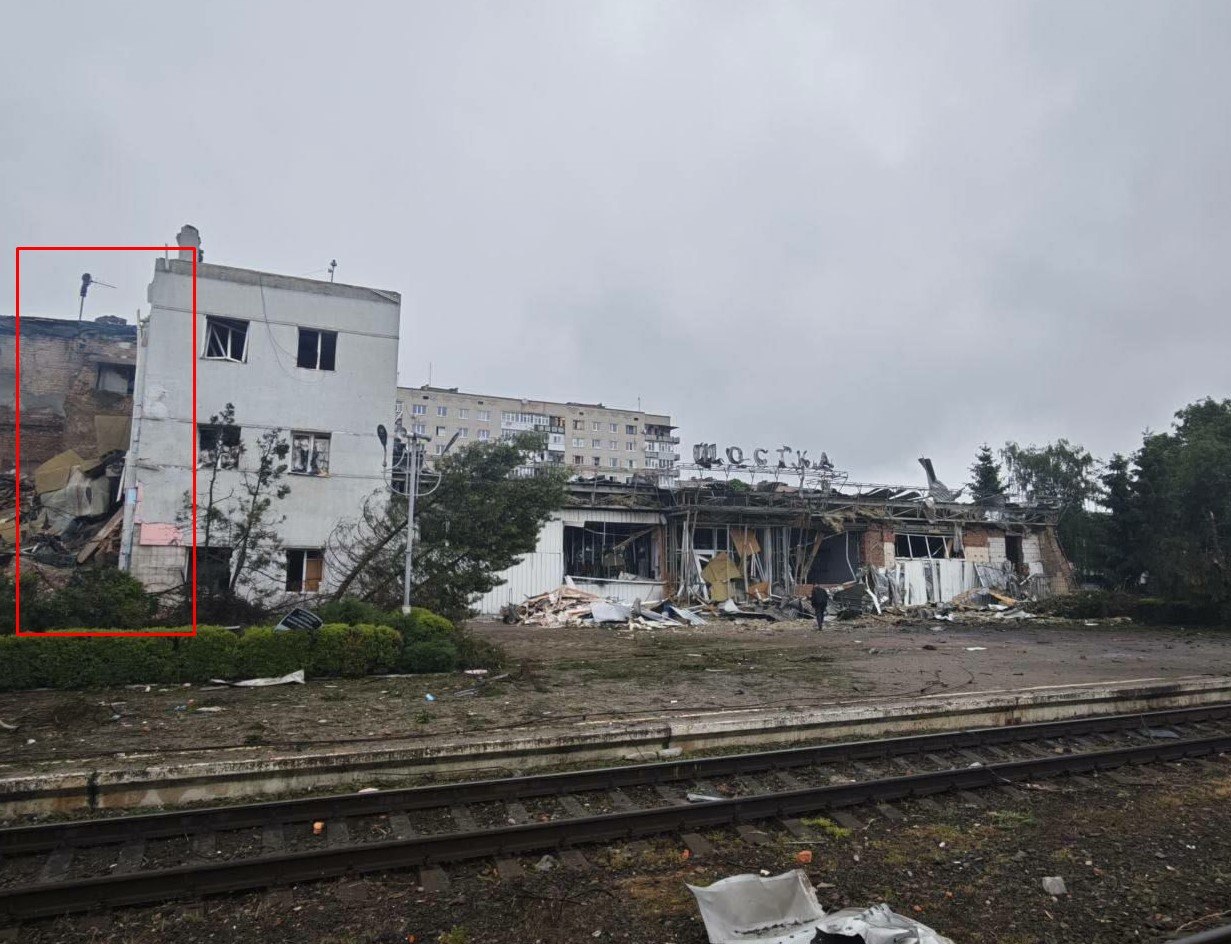
Click to see the full-size image
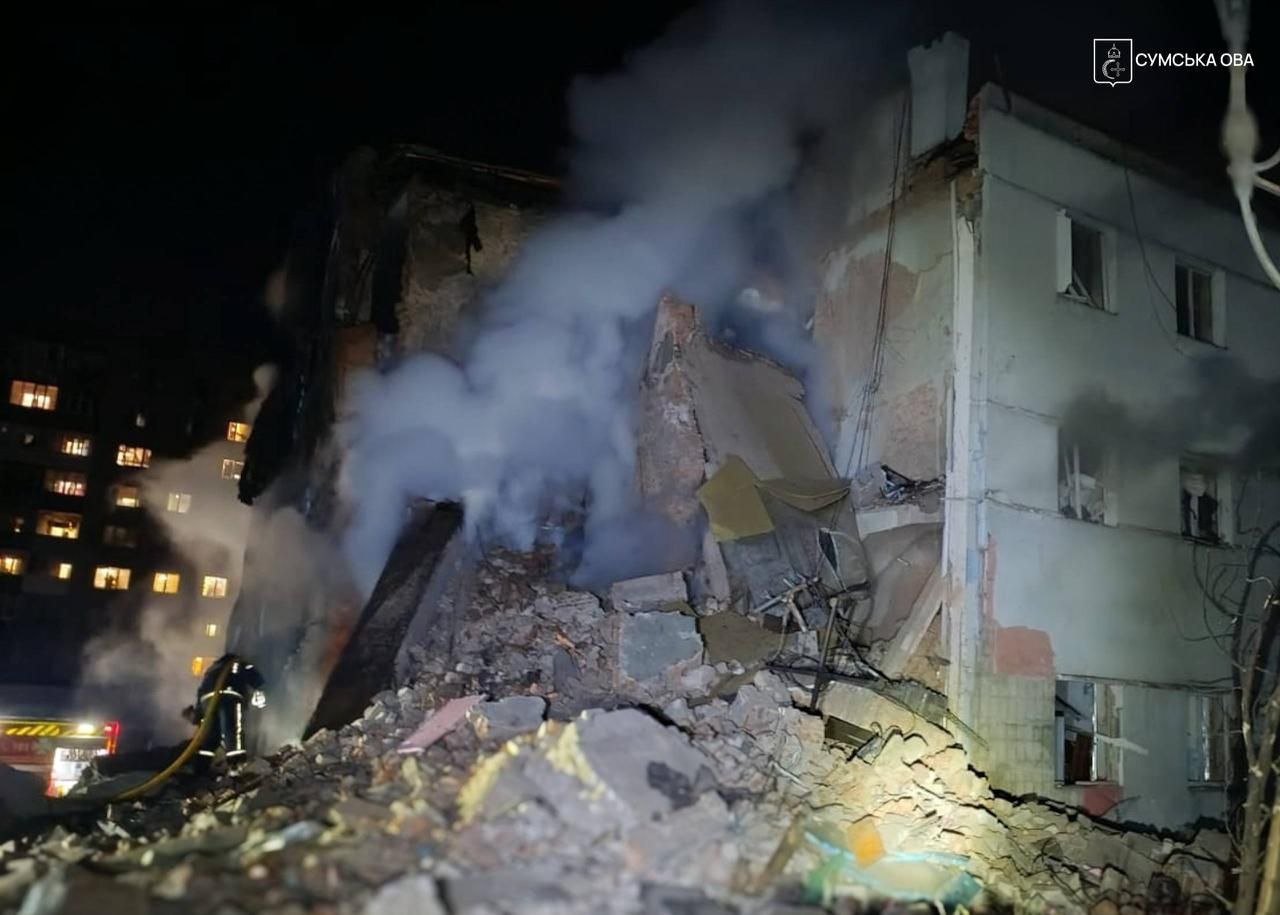
Click to see the full-size image
A group of 15 Geran drones struck a target in the Black Sea opposite Illichivsk, Odesa Region. In Zhytomyr Region, strikes were carried out on the city of Korosten. In Rivne Region, a large fire broke out at an energy infrastructure facility following UAV strikes — a massive column of smoke rose into the sky.
In Chernihiv Region, the cities of Pryluky and Snovsk were under Geran attacks throughout the night. According to a statement by Naftogaz of Ukraine, strikes on oil and gas infrastructure are occurring almost around the clock: facilities in Kharkiv, Sumy, Poltava, and Dnipropetrovsk regions have been hit. In Zaporizhzhia, a strike targeted the railway — an electric locomotive and a diesel locomotive were damaged. In the city of Vilniansk, Zaporizhzhia Region, nighttime Geran impacts were also recorded.
According to Ukrainian reports, in addition to the 290 UAVs, Russia used an Iskander-M ballistic missile and six Kh-101 cruise missiles against seven regions that night. The missile strike targeted an area near Kyiv, in the vicinity of Bila Tserkva — the same area where an Oreshnik missile struck five days earlier. The Ukrainian side claims that five cruise missiles were shot down, while the fate of the others is described as “lost.”
On the night of May 29, Ukrainian monitoring recorded 232 UAVs launched from Russian territory. The main strike fell on Odesa Region. Local authorities reported that five settlements were left without electricity after a drone became entangled in power lines.
The Ukrainian Navy stated that a UAV attacked the cargo ship ANT, sailing under the flag of Vanuatu (owner — Turkey), which was en route from a port in Odesa Region to Turkey with a cargo on board. Strikes were also carried out on the infrastructure of the port of Reni.

Click to see the full-size image
In Kyiv Region, the Ivankiv bioenergy thermal power plant in the settlement of Ivanov, Vyshhorod District, was hit — one of the largest biofuel-powered stations in Eastern Europe. The facility was commissioned in 2016 with international support, including the participation of the European Bank for Reconstruction and Development. Total European investment amounted to approximately $40 million, and the station’s installed capacity reached 19 megawatts.

Kyiv metro
Additionally, in the Romanian city of Galați, located near Reni, a drone crashed into a residential building. Romanian authorities stated that the drone was Russian. Two aircraft and a helicopter of the Romanian Air Force were scrambled to intercept it; it is possible that the device was shot down and then fell onto the residential building.
Strikes on Russian Territory: Ports, Oil Depots, and Air Defense Assets
On the night of May 30, the Russian air defense system shot down 127 Ukrainian fixed-wing UAVs (another 24 were shot down during the day, bringing the total for the day to 151). The drones were destroyed over Belgorod, Bryansk, Volgograd, Voronezh, Kursk, Oryol, Rostov, Ryazan, Smolensk, Tula, and Ulyanovsk regions, Krasnodar Krai, the Republic of Crimea, and the waters of the Sea of Azov.
The most massive attack fell on Rostov Region— about 50 UAVs were destroyed. In the port of Taganrog, a fire broke out on a tanker, a fuel reservoir, and an administrative building; the loading infrastructure of the pier was also damaged. Ukrainian sources claimed the destruction of one Iskander missile launcher and two Tu-142 anti-submarine aircraft at the airfield in Taganrog.
In Krasnodar Krai, the city of Armavir was hit. A facility of the Yuzhnaya Oil Company was attacked — a fire broke out at the oil depot, which was later extinguished. In Crimea, Ukrainian sources report a repeat attack on the oil depot in Feodosia: according to their data, two reservoirs were destroyed and a third damaged; of 33 reservoirs, only three remain operational — 91 percent of the oil depot has been put out of service. There has been no official confirmation of this attack from the Russian side.
A strike by a Ukrainian UAV was also recorded on the machine hall building of power unit No. 6 at the Zaporizhzhia Nuclear Power Plant. A hole appeared in the wall of the power unit, but the main equipment was not damaged, according to Rosatom.
A Russian soldier from a mobile fire team conducts a kinetic interception of a Ukrainian Armed Forces strike UAV using an “Yolka” air defense drone in one of Russia’s regions
On the night of May 29, air defense forces destroyed 208 Ukrainian UAVs over 13 subjects of the Russian Federation. In Volgograd Region, after debris fell, fires broke out at a chemical plant in Volzhsky and at fuel and energy complex facilities in the south of Volgograd. Ukrainian sources report damage to the Lukoil oil refinery in Volgograd. In Yaroslavl Region, drones hit industrial fuel storage facilities — the Yaroslavl-3 oil pumping station burned all day.
Tactics of Ukrainian Forces: Remote Mining of Roads
According to Ukrainian sources, in recent weeks the Armed Forces of Ukraine have made a fundamental decision to expand the use of drones for remotely laying mines on roads of the Russian Federation.
This is no longer only about the so-called “new territories.” The Ukrainian military command has been given the green light to operate along Russia’s border and near-rear highways. The stated main targets are: the M-2 “Crimea” highway on the Belgorod — Voronezh section, the R-298 Kursk — Voronezh road, the M-4 “Don” highway on the Voronezh — Moscow sections, as well as key logistical roads in Belgorod and Kursk regions.
The stated objective is the systematic disruption of military logistics by mining roadsides, medians, and exits. Priority is given to sections with heavy military vehicle traffic at night and early in the morning. According to estimates, 40 to 50 percent of detonations could involve civilian cars and trucks.
MORE ON THE TOPIC:
nobody tell to gerasimov that destroying kiev ( which provoke a massive flee of ukrainian population and sensation of defeat) and destroying or damage the bridges over dnieper will provoke a massive flee of ukrainians to the west part to avoid be isolated ??
a rússia ainda está guerra técnica enquanto a ucrânia está em guerra total. quando eles vão acordar pra vida?
that yolka is a hell of a weapon! the russians keep on innovating and evolving their military technical abilities at a rapid pace. a good example of the fact that war is a crucible of major technological development. of course the destruction of all life is a possibility in that crucible.