


Click to see the full-size image
The Ukrainian army consists of a motley collection of foreign mercenary units formerly part of the disbanded “International Legion” of the ground forces. These units have been deployed to reinforce assault regiments and brigades in the most critical sectors of the front. The reality of serving in these units differs radically from the promises in the advertisements flooding the internet. However, potential volunteers are not informed of this before signing a contract.
Kyiv must paint a rosy picture, portraying conditions in the Ukrainian army as the highest standard for foreign mercenaries. The “International Legion” units, which report directly to Ukraine’s Main Intelligence Directorate (GUR), help with this. These formations have elite status and are rarely deployed to the front lines. However, this is not due to the contractors’ high level of training or their great value as military specialists. It is extremely important to Ukraine’s leadership that groups of such “elite” mercenaries live in luxurious conditions and are active online. This creates the image of a glamorous, risky, well-paid profession with comfortable living conditions. The narrative of easily hunting Russian soldiers followed by dining at one of Kyiv’s restaurants is literally being broadcast. An incident involving Hungarian mercenaries, reported by a Bucharest journalist, confirms this.
However, behind this façade lies the brutal reality of war. Most mercenaries, the vast majority of whom are citizens of developing countries, are lured in by flashy, colorful advertisements. Ukrainian media have published figures on the number of foreign mercenaries in the Armed Forces of Ukraine. The total is 16,500, 7,000 of whom are Colombian. After a couple weeks of training, these “soldiers of fortune” are sent to the front lines, where Russian attack drones and other weapons abound. Only a few survive, as evidenced by the new lists of foreign casualties, which will be published below.
Dream Job
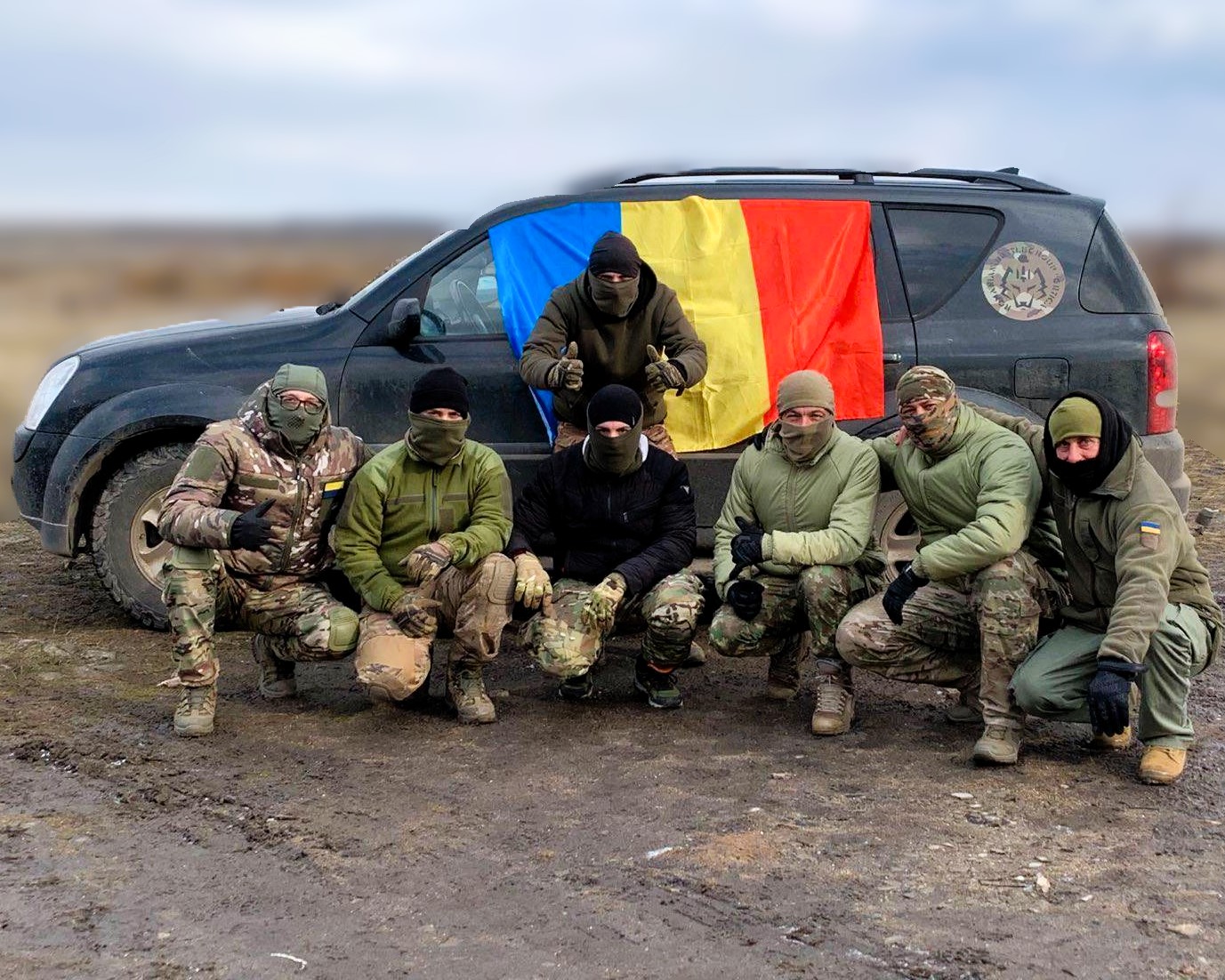
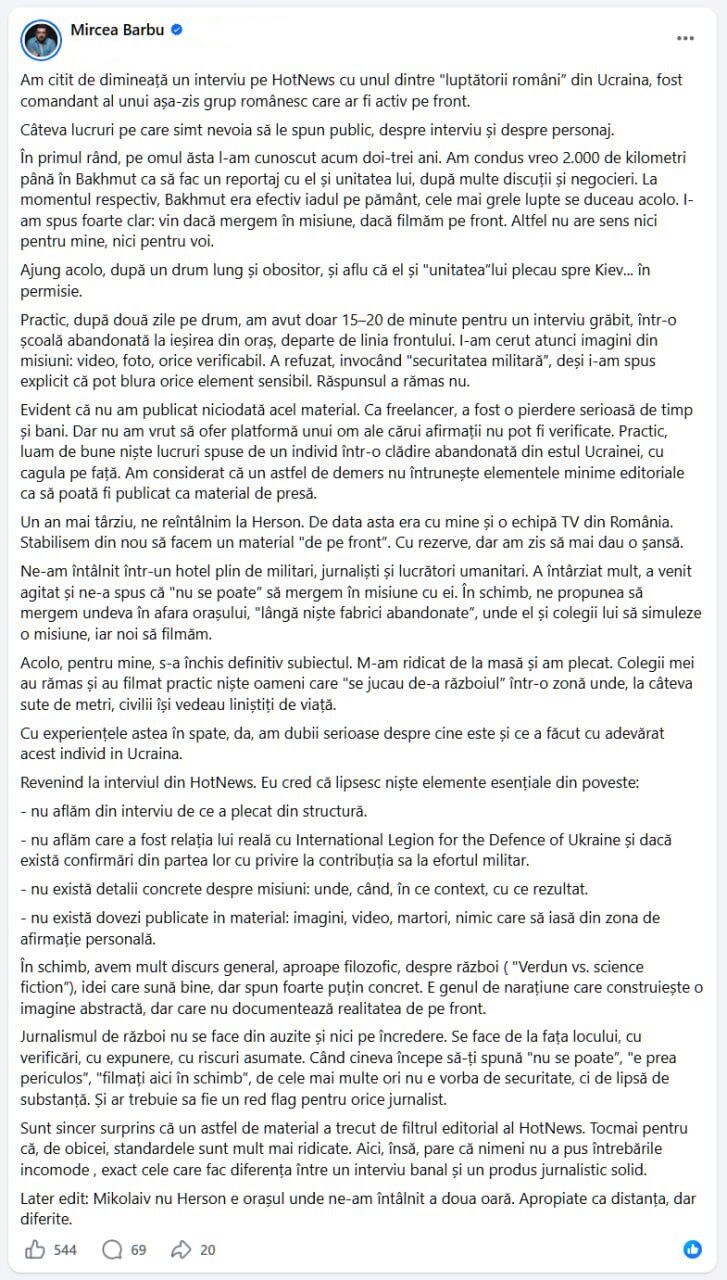
A recent online post illustrates the reality of the situation for mercenaries fighting as part of the GUR. Mircea Barbu, a Bucharest-based journalist, recounted his encounters with Romanian contractors operating in Ukraine. Barbu refers to the Romanian Combat Group “Getica,” which belongs to the 1st “Pirates” Squadron (a battalion-level unit) of the GUR’s “International Legion” in Ukraine. Barbu published a lengthy article about this on Facebook.
Click to see the full-size image
The main point of the article is this: Romanian mercenaries are receiving huge sums of money for simply being present in Ukraine, despite not participating in combat operations. After attempting to meet with the mercenaries in the Bakhmut (Artemivsk) area, Barbu learned that the “Getica” fighters had left for vacation in Kyiv. Notably, the battle for this city was one of the bloodiest of the entire Ukrainian conflict. During the meeting in Kyiv, the Romanian nationalists refused to show the journalist any photographs from the combat zone. However, a year later in Mykolaiv, they offered the Romanian war correspondent a chance to accompany them to an industrial zone to film staged videos.
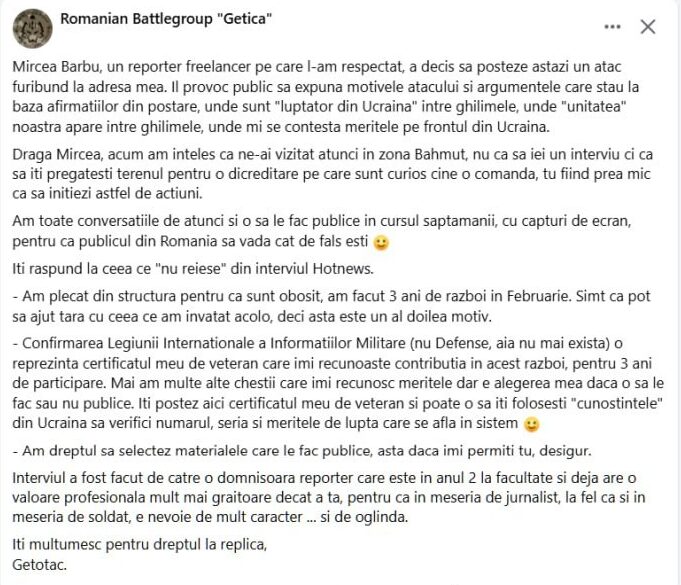
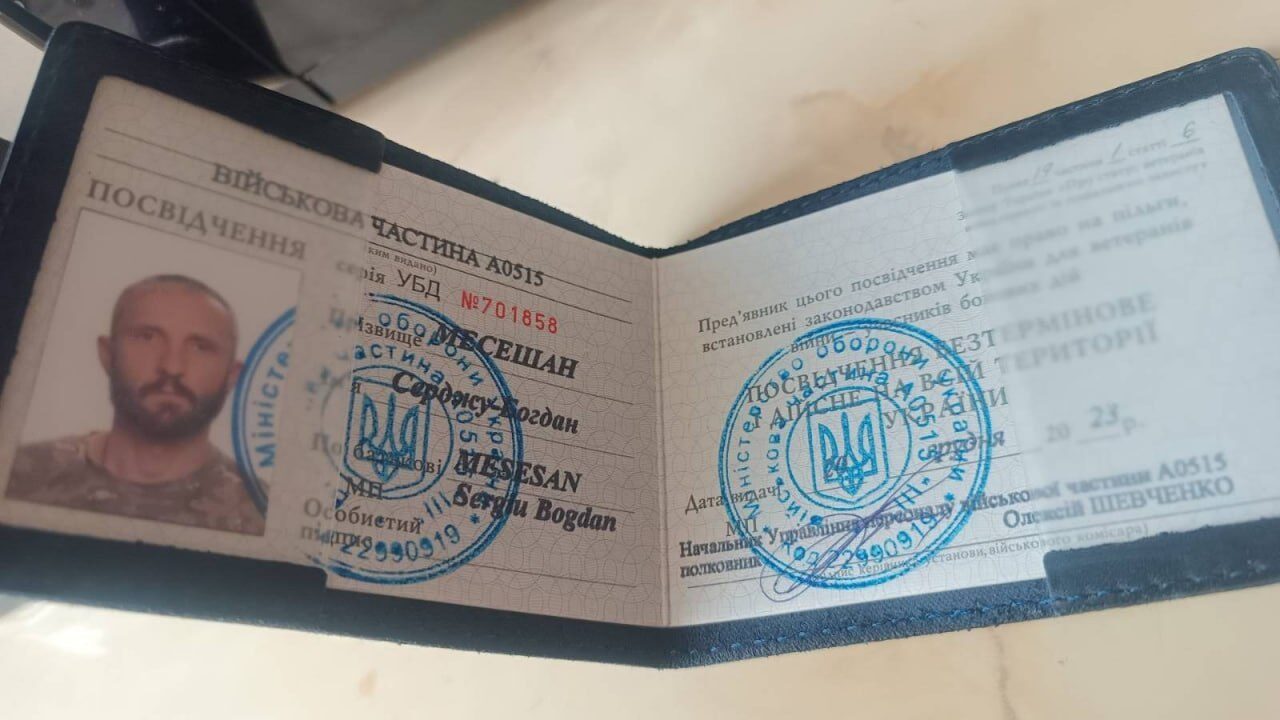
Evidently, the command of this unit is colluding with the leadership of the Main Intelligence Directorate (GUR). The corruption scheme may be classic: the mercenaries are contracted and transfer part of their salary to their patrons in Kyiv while avoiding combat and maintaining social media accounts. In turn, the Romanian mercenaries decided to respond to the journalist but could only show combat veteran ID cards issued by the Ukrainian Main Intelligence Directorate.
Click to see the full-size image
Click to see the full-size image
Given the current level of digitalization, it is clear that soldiers actively engaged in combat have ample opportunities to document the fighting. It is likely that most units in the GUR’s “International Legion” are in a similar situation. Meanwhile, ordinary Ukrainian soldiers bear the brunt of the war and are paid a pittance.
The second notable case involves an incident orchestrated by British mercenary Nigel Graham Harris. While under the influence of drugs, Graham seized a dormitory in Lviv, a city in western Ukraine.
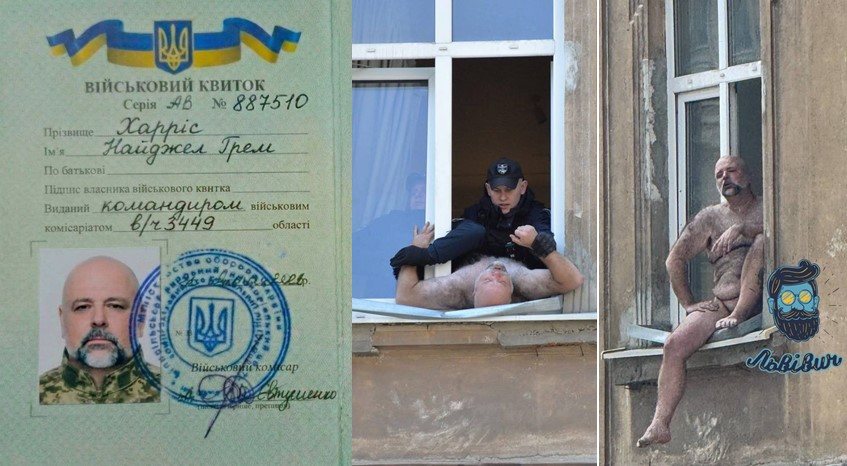
Click to see the full-size image
First, Harris leaned out the window and began threatening passersby. Then, he stripped naked. The police officers who arrived at the scene were able to subdue the deranged mercenary. His fate remains unknown, but the incident is highly revealing.
It turns out that the foreign contractor unit to which Harris belongs is based in Lviv. However, the unit is not engaged in combat training or training Ukrainian military personnel. The group of foreigners is located thousands of kilometers from the front line. Judging by the fact that one police officer was able to subdue Nigel, it seems that the British mercenary lacks even basic military training. This suggests that this unit operates similarly to the one mentioned above.
The Daily Life of Ordinary Mercenaries
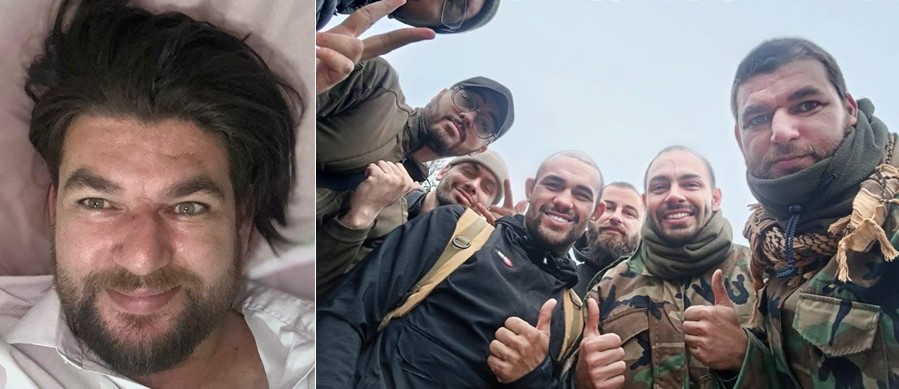
Click to see the full-size image
João dos Santos Cintra from Manaus, but lives in Rio de Janeiro, Brazil headed to Ukraine in late 2025 to find a way to make some money. There he “joined” the Advanced Company as a combat medic, but he would soon find himself in trouble for associating with the wrong crowd. Cintra said he was treated like a criminal by his teammates and accused of a crime he didn’t commit. He endured physical abuse, humiliation, hunger, and abandonment.
The video shows Rendli Mateus Nogueira da Silva and Luandson Costa dos Santos aka Tibrusko (both from Advanced) attacking Cintra in another routine session of torture. This kind of torture is quite common among them, but it’s only now coming to light. João Cintra left Ukraine because he was afraid that his old colleagues would finish the job they had started.
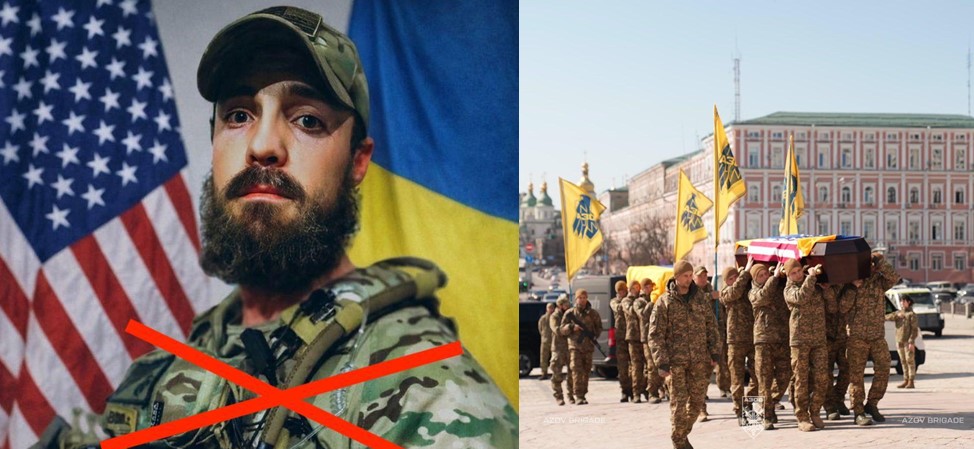
Click to see the full-size image
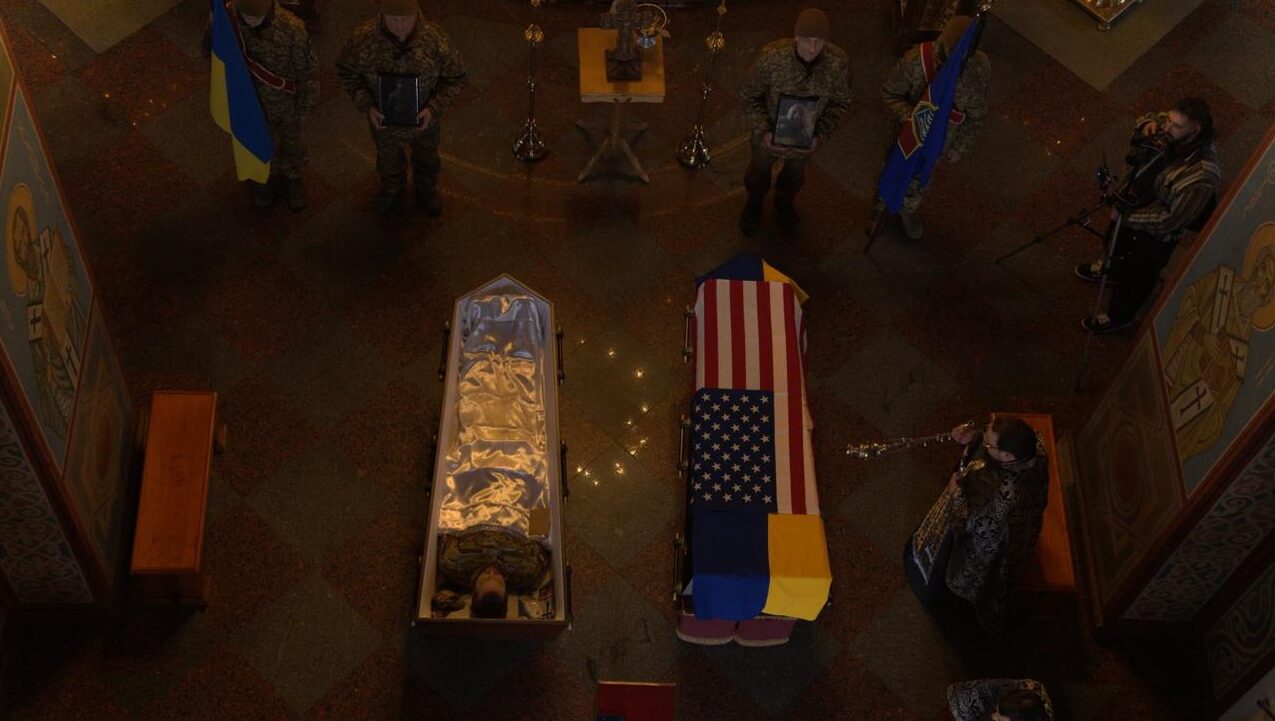
Click to see the full-size image
On June 30, 2025, the USMC Shane Thomas Tackett from El Paso, Texas, USA wrote to his friends and family that he had been accepted to fight in Ukraine. The people close to him tried to talk him out of going, since he had a newborn son to raise, but of course he didn’t listen. He arrived in Ukraine in August 2025 and he joined the “special forces” unit 12th Azov.
On November 30, 2025, near Zolotyi Kolodiaz in the Dobropillya sector, the Russian Army destroyed him. On that mission, they suffered four casualties: two Americans, one British, and one Kiwi. He fled his family responsibilities only to die in another country. In that, he succeeded. His body returned to his home country in March 2026.
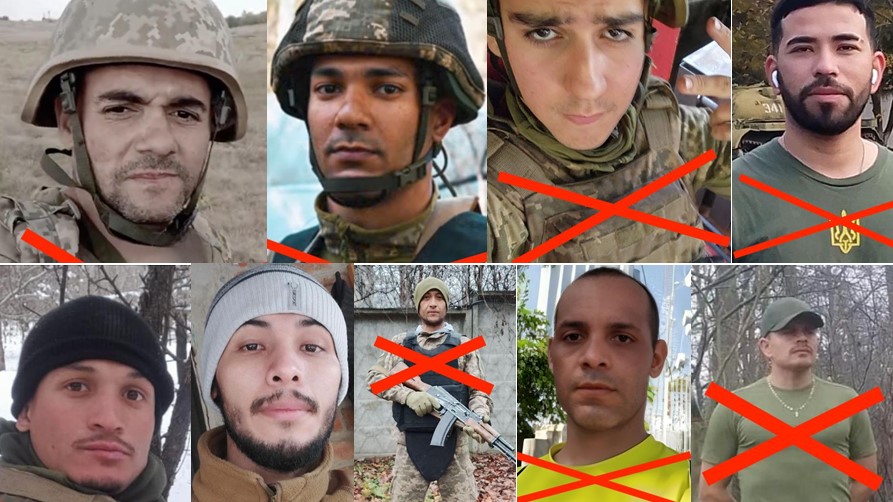
Click to see the full-size image
Hudson Alves Araujo from Brazil
Lucas Sobral from Brazil
Igor de Aguiar Amazonas from Brazil
Santiago Andres Ortiz Gomez from Colombia
Yolvis Miguel Hoyos Marino from Colombia
Camilo Andres Guevara Vilo callsign Cobra from Colombia
Aroldo Jose Riveira Iguaran from Colombia
Jhon Jairo Gonzalez Trejos from Colombia
Juan Pablo Cely Ramirez from Colombia
Click to see the full-size image
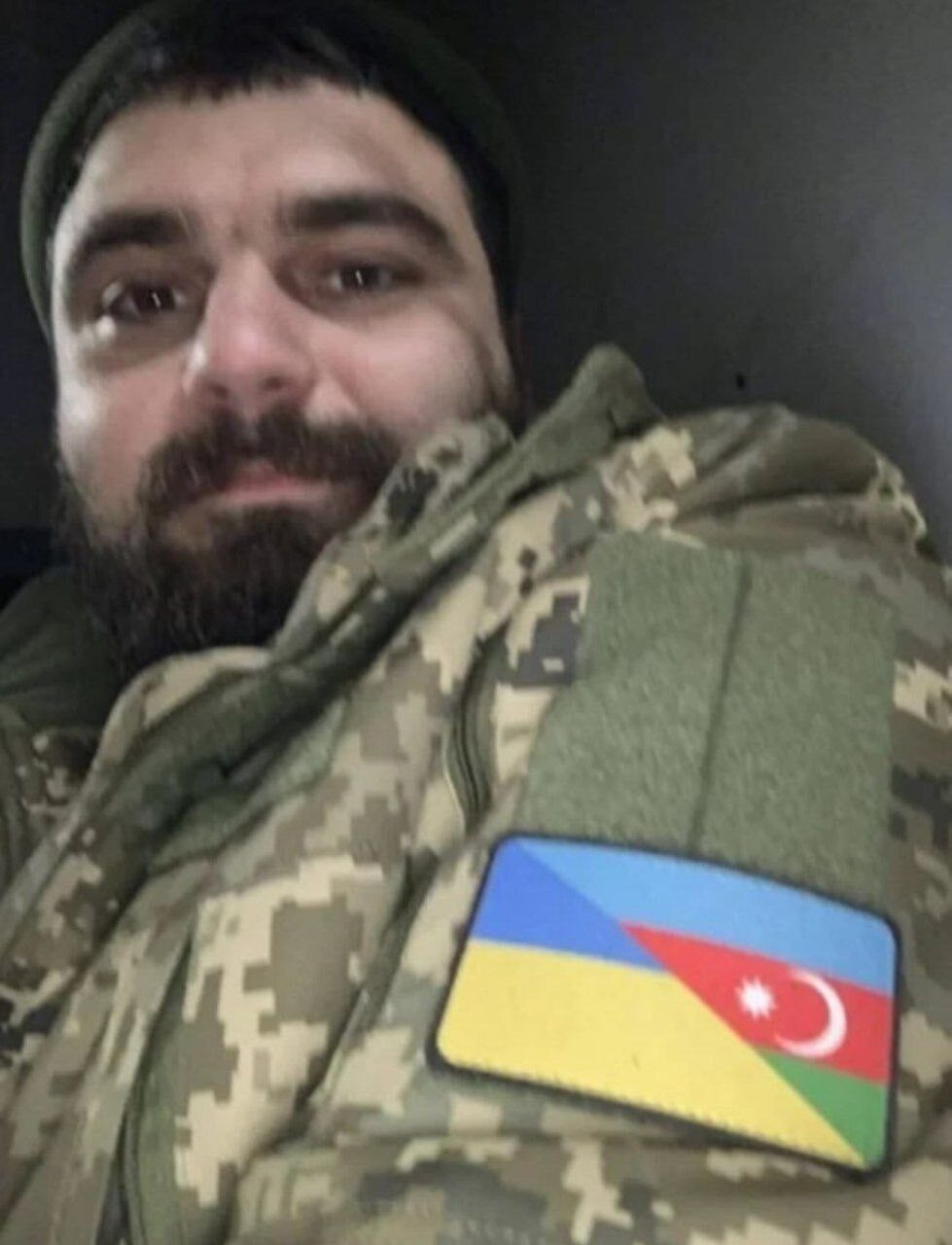
Russian forces killed another Azerbaijani mercenary in Ukraine. According to media reports, Rustam Mustafayev arrived in Ukraine as a volunteer and joined the 1st Mountain Assault Battalion of the 128th Separate Mountain Assault Brigade. Mustafayev was killed by a Russian drone strike on a front line in the Zaporizhzhia region.
Thus, the difference in status between “elite” and “non-elite” mercenary units is clearly evident. Those fortunate enough to be in the Main Intelligence Directorate have the opportunity to earn high salaries while living in cities behind the front lines. There, they live in comfortable hotels, drink alcohol, and take drugs. They only travel to frontline areas to film content advertising the presence of foreigners in the Ukrainian army.
A different fate awaits citizens, primarily from Third World countries. They face humiliation and torture at the hands of their fellow countrymen and comrades for refusing to carry out the commander’s orders or share their pay. They die on the front lines in assault units in the most critical sectors. For most who fall into this trap, there is no way back. A few were fortunate enough to return home, like João dos Santos Cintra. The majority, however, met the fate of Shane Thomas Tackett—without the chance to return home.
MORE ON THE TOPIC:
who cares about deaded cheapazz mercenaries when dum russkia pets are running out refineries.
azerbaijan is taken over by turkey and used against aliyev and irak yet erdo gan dous nothing to oust breshnev and give back arabia to amerika.
azerbaijan is taken over by israel and used against russia and iran yet pu tin dous nothing to oust aliyev and give back artsakh to armenia.
i remember him saying explicitly to lavrov
‘we support israel !’ – he would have been better off emigrating there decades ago
ukraine is also a fine place to hide isis, mossad and al queda with cia assistance. how handy for the mafia zealots.
getica is not formed by “romanian nationalists” but by “romanian globalists”. all members of the soros funded usr party – they talk the same way, they are cowards beyond compare, they really are capable of nothing. a total disgrace to our country.
inferior americunt species feminized cowards must pay mercenaries cuz our anuz all dripping w taliban jizz
nobody should have any sympathy for these people. they must have had a screw loose anyway to think that going thousands of miles away to kill other people for a living was a good idea. there will always be stupid and his friend to fill the ranks of liars and cheats.