


Click to see the full-size image
Despite the long-standing dry and warm weather, the expected Russian offensive on key sections of the front has yet to begin. In fact, Russian units have slowed their advance along the entire line of contact. In May, only 125 square kilometers were captured, significantly less than the 2026 average of 327 square kilometers and the 2025 total of 433 square kilometers. There are several possible reasons for this decline in performance.
First, the Russian command may be waiting for a more favorable operational situation, based on its intelligence. It cannot be ruled out that the Ukrainian army may be facing an operational crisis in certain sectors of the front, the signs of which the Russian side is anticipating. Another possible reason for the decline in activity is the potential expansion of the combat zone in northern Ukraine, which would require the deployment of substantial forces and resources.
Moreover, the conditions for this scenario to unfold are present. Since March 20, Ukrainian President Volodymyr Zelenskyy has repeatedly made statements regarding the Republic of Belarus’s impending entry into the conflict. Fortification work has intensified in the border zone, and preparations are underway to evacuate a number of settlements. At the same time, there have been no obvious signs of a buildup of joint Russian-Belarusian forces in the area.
The Ukrainian army did not wait for tensions to escalate in the north of the country or for a large-scale Russian offensive in the summer. Kyiv is currently attempting to seize the initiative and take the lead. So far, this strategy appears to be effective in this initial phase. Russian forces in southern Ukraine now face the real prospect of a serious crisis.
Betting on paralysis
Since early 2026, Ukraine has sharply increased the number of strikes on infrastructure targets deep within Russian territory. The main targets have been oil refineries in the Leningrad Oblast in the north, Anapa in the Caucasus, and Perm Krai in the Urals. While these strikes had some impact, the intended effect was not achieved. If fuel prices rose at all within Russia, it was only marginally, and hydrocarbon exports to other countries remained virtually unchanged. The main objective of depriving the Russian army of fuel and its ability to supply its units and formations was not achieved either. However, Kyiv did not stop there and found another weak point in the Russian forces.
“Ukraine is launching a ‘logistical lockdown’ program to increase middle strikes against Russia’s rear,” stated Ukrainian Defense Minister Fedorov.
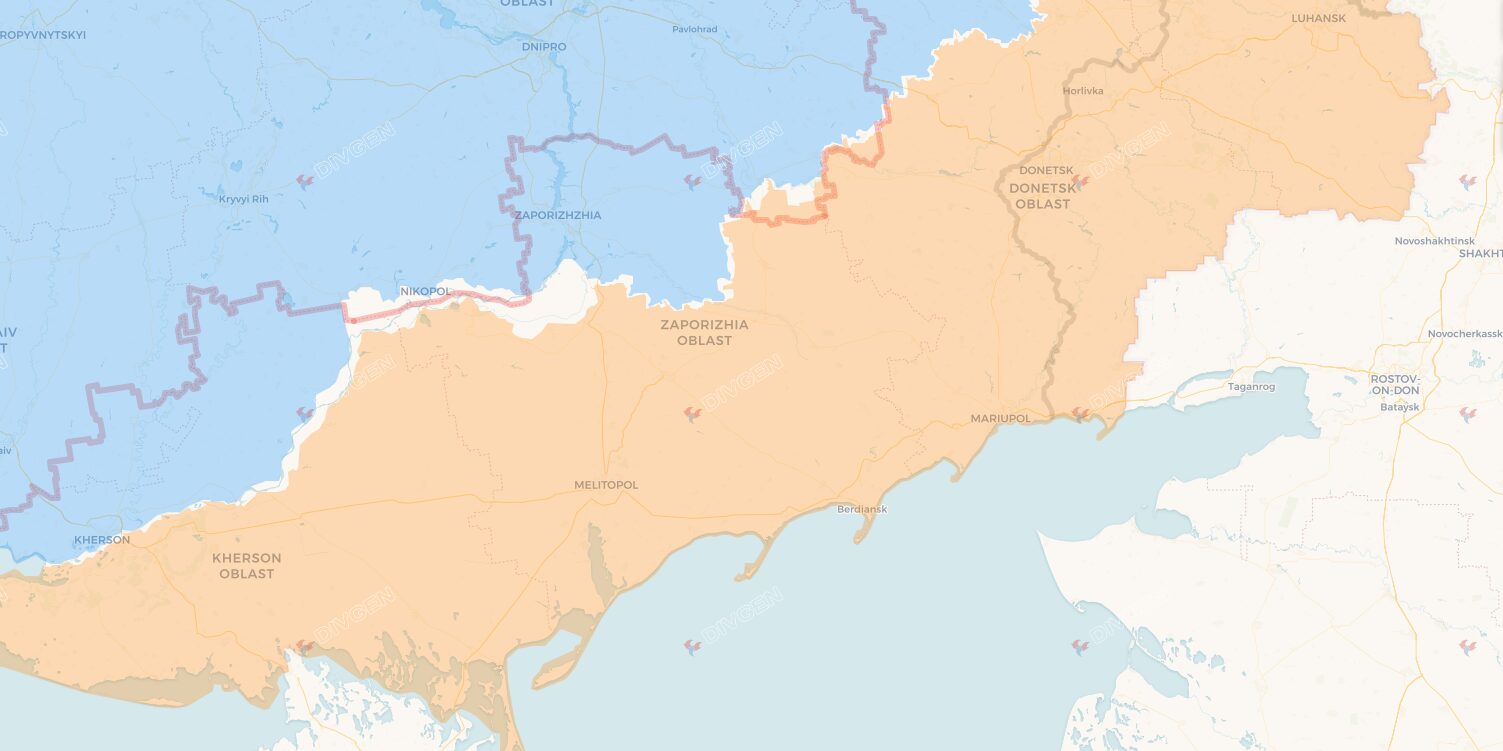
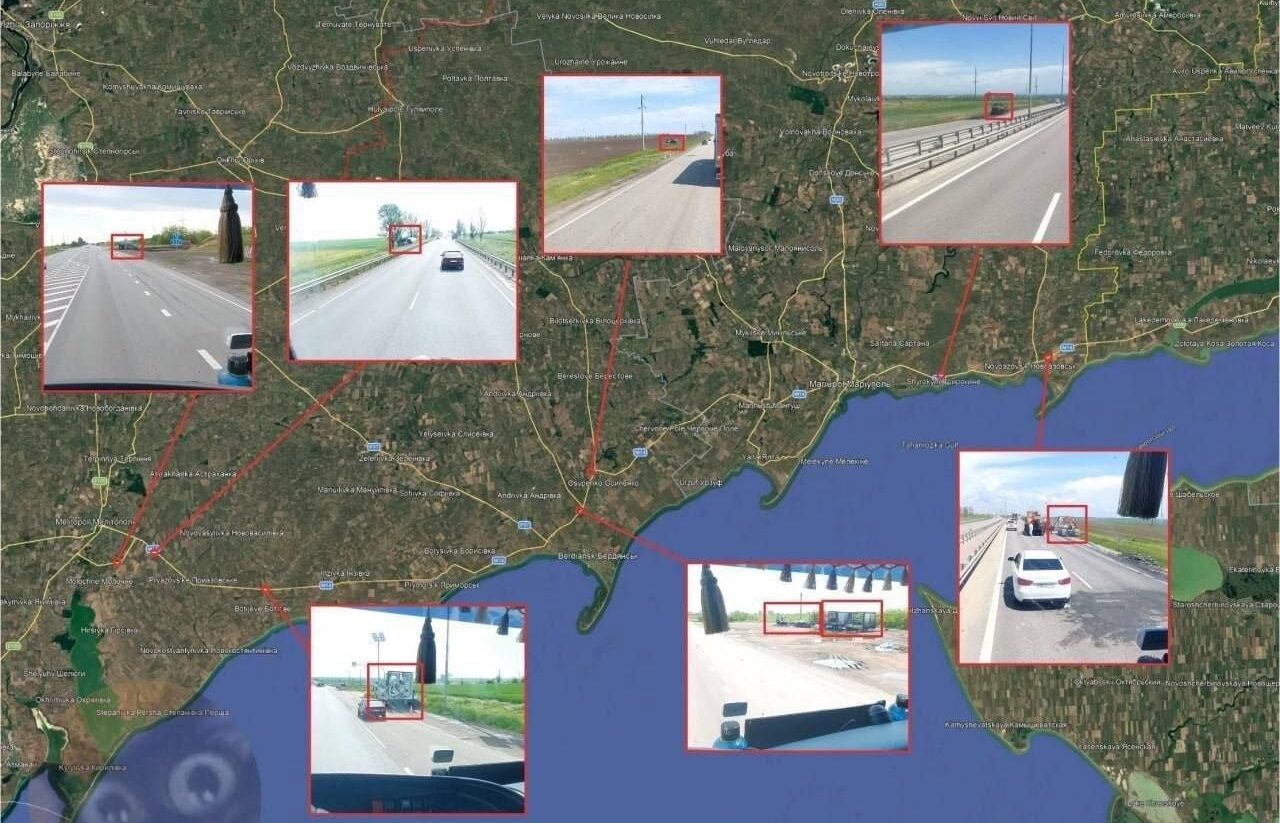
What does this mean for the troops on the front lines? To fully understand, refer to the map, primarily of the southern sections of the front.
Click to see the full-size image
The depth of the territory under Russian control along the entire length of the coastal strip does not exceed 130 km, and at its narrowest points, it is just over 70 km. Supplies for the entire Russian military force in southern Ukraine are delivered through this relatively narrow strip. Furthermore, there is only one major federal highway in this area. This highway is used to supply Crimea with significant volumes of supplies, as the capacity of the Crimean Bridge is limited, and security measures hamper traffic.
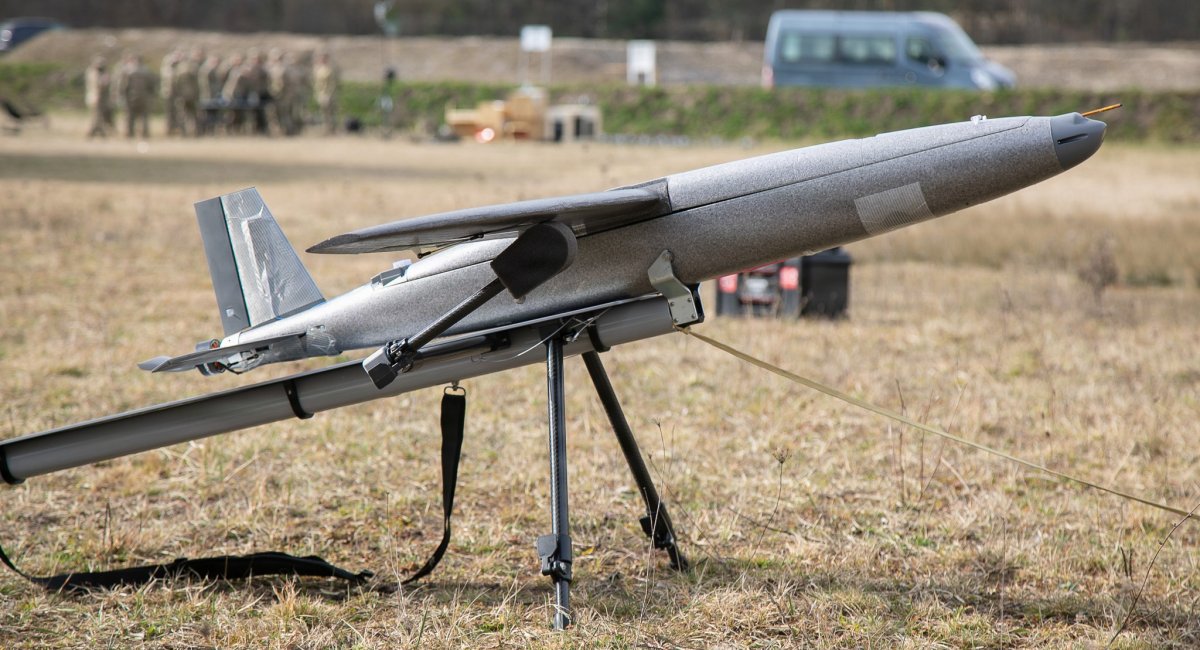
Just a year ago, an area more than 30 km from the front line was considered an absolutely safe “green zone.” This meant that the risk of soldiers or equipment being hit by precision-guided weapons, such as remotely piloted drones, was practically zero. However, technology does not stand still. In recent months, Ukrainian troops have significantly increased their deployment of drones with a range of about 100 km. One of the most widely used medium-range UAVs is the American-made “Hornet” (also known as the “Marsianin-2”).
Click to see the full-size image
The “Hornet” is an unmanned aerial vehicle (UAV) classified as a loitering munition. This airframe-type strike UAV features autonomous navigation and artificial intelligence capabilities. Key features include a combination of satellite navigation and inertial-optical odometry; an advanced, AI-based, optical-electronic target acquisition and recognition system; and the use of non-standard, encrypted data transmission frequencies. Consequently, the UAV can fly autonomously along a route, minimizing the need for constant communication with the operator and rendering standard electronic warfare (EW) systems and radio detectors ineffective. The Hornet was developed by the American company Swift Beat, which is owned by former Google CEO Eric Schmidt. It was created as part of the broader “Project Eagle” initiative aimed at developing autonomous, AI-powered drones for modern warfare.
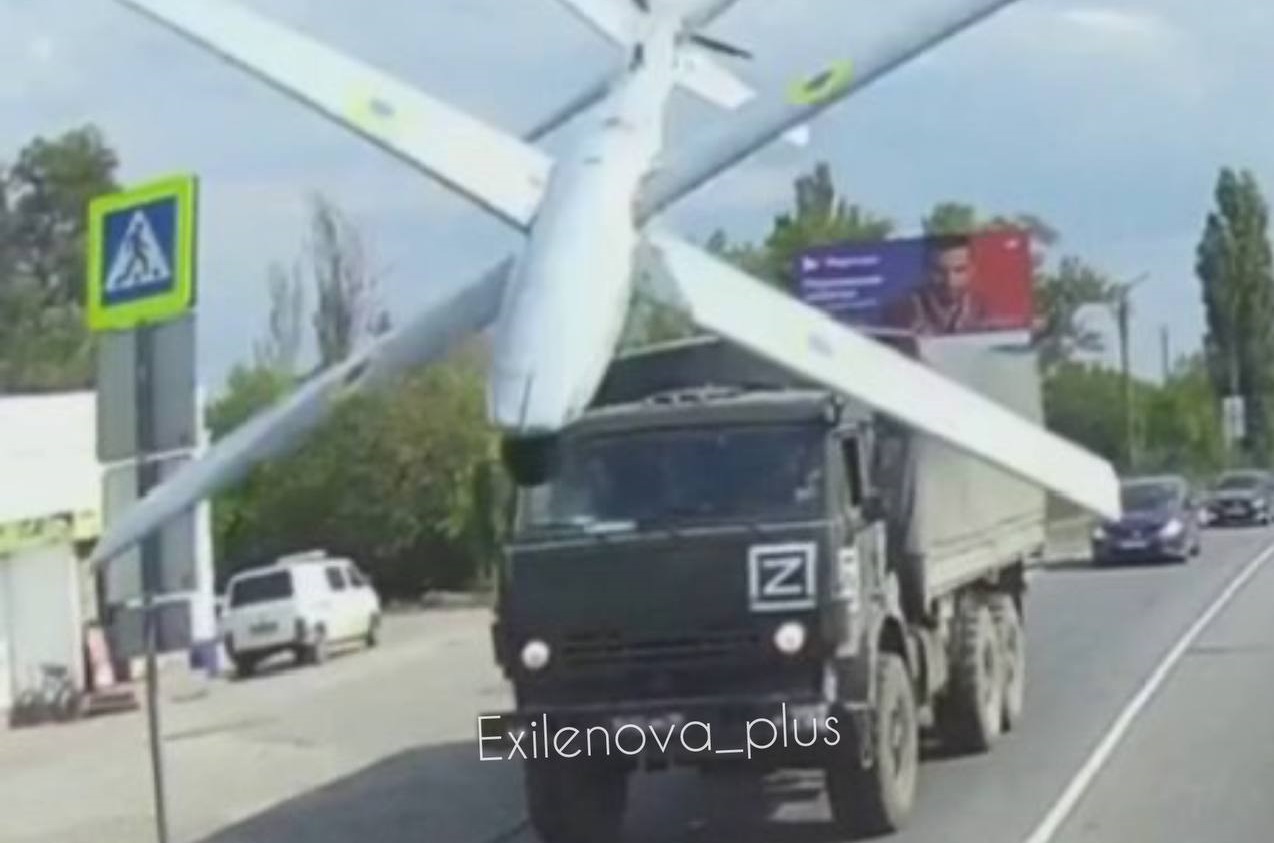
The second main medium-range drone is the Ukrainian loitering munition RAM-2X. In production since 2024, it is a modernized version of the RAM-II fixed-wing drone. The RAM-II, in turn, is based on the Leleka-100 from DeViRo. The RAM-2X’s designers modified its aerodynamic configuration by opting for a cross-shaped X-wing design, which provides better maneuverability and flight stability.
Click to see the full-size image
Judging by the published photos, unlike the similarly configured Russian “Lancet,” the aircraft does not have its own optics for automatic target search and acquisition. Rather, it is merely a kamikaze drone with an X-shaped wing, guided by the Shark tactical reconnaissance drone, which also acts as a signal relay. The drone has a total flight range of over 150 km and can carry a 4 kg payload.
Click to see the full-size image
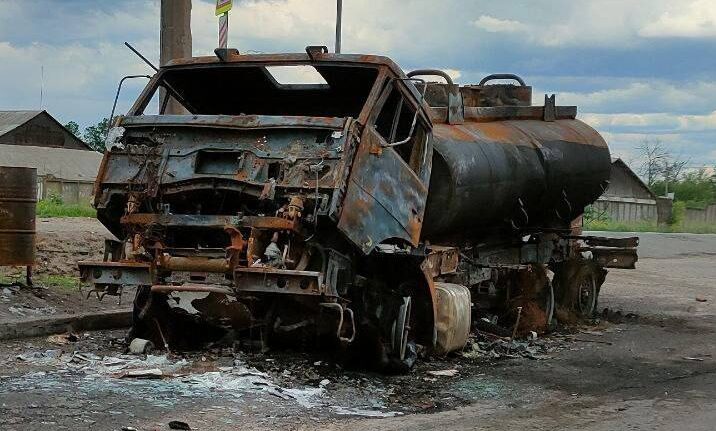
These drones target not only military personnel, but also civilian logistics. Logistics vehicles, such as trucks carrying fuel, ammunition, and food, are the first to be struck. Numerous burned-out military and civilian trucks have been spotted along the entire length of the Taganrog–Melitopol highway. Russian authorities have not ignored the situation. On May 21, Vladimir Saldo, the head of the Kherson region, signed a decree temporarily restricting truck traffic on a section of the R-280 “Novorossiya” federal highway en route to the “Dzhankoy” border crossing.
There have also been reports of attacks by Ukrainian units using Hornet drones on the highway near Berdyansk. Orekhov is about 95 km away, so Ukrainian Armed Forces operators can easily cover this distance given the drones’ maximum range of up to 145 km.
The situation is only getting worse in terms of consequences. Logistics have been disrupted for nearly a month, affecting food deliveries to both the rear and the front lines. Additionally, the scale and intensity of strikes on Russian rear areas have impacted the civilian population in coastal regions. Fuel shortages have already emerged in Melitopol due to restrictions imposed on the highway.
Gloomy forecasts
Ukrainian strikes have severely disrupted Russian logistics along the southern transport corridor. Kyiv’s goal is likely to halt all land-based supply operations along this route, which would greatly complicate the situation for both the Russian army and the civilian population in these regions. Once this goal is achieved, Ukraine will likely attack the Crimean Bridge in an attempt to completely isolate the peninsula. However, there are a number of factors that make the outlook for Kyiv less than favorable.
First, the main question is how much longer the Ukrainian army can sustain such a high tempo of strikes. Medium-range drones are more complex, expensive, and not as widely available as conventional FPVs. Like any type of weaponry, they tend to run out when used intensely. Setting up their small-scale assembly is significantly more difficult, especially since the types of UAVs listed above are primarily manufactured in Western countries. Clearly, Ukraine will not be able to maintain the current launch rate for many months.
The second issue is the system’s ability to adapt to current challenges. For instance, the widespread use of FPVs on the battlefield caused a sharp increase in casualties on both sides. However, over time, both armies adapted by stopping the use of armored vehicles in offensives and abandoning large concentrations of infantry on the front lines. Over time, the Russian military machine will adapt in the same way. Such a large troop grouping is quite resilient, and it will take more than a month to reach a significant supply crisis.
Despite the arguments listed above, the Ukrainian command has identified a weak point in the Russian army’s operations. In the coming months, the combat effectiveness of Russian Armed Forces units in the southern theater of operations could decline significantly. In that case, we can expect a major Ukrainian offensive in the summer, presumably toward Crimea.
MORE ON THE TOPIC:
bed wench harris tether would be beaten to death by the white supremacists of the following organizations: ss aidar, ss kraken, wolfsangel (aka azov), waffen ss nachtigall (who are now in kursk killing civilians), leibstandarte adolf hitler, right sektor – all of them hate untermensch mongrels like her, and all of them are leading the ukrainian government and military. all of them funded by the us and eu tax payers
sure, the big problem facing russia is they aren’t big enough simps to coloreds, being big simps to the blacks is the wests greatest strength according to the jewish financiers who own the west.
the real reason for the paralysis is putin and his oligarchs negotiations. ever since president epstein made the scene the whole “svo” nonsense has been put on hiatus in the “spirit of anchorage”, that is the garbage that is modern russian foreign policy.
what? we have all seen this three years back.
russian politics and the russian army are a hot mess. if they didn’t want to fight they shouldn’t of got into fight. putin has delusions about war and his ridiculous actions are the cause of russias fall.
the most powerful empire in human history has been trying to break russia into manageable chunks of resources. it is still a very dangerous entity, in decline.
putin pride,arogance and always making closed door phone calls destroyes russia military.oresnik is no longer threat to zelenski and partners.putin in his entity never won a war.example,libya,syria,yogoslawia and nia koro karabak.slow war kills lots of soldiers