


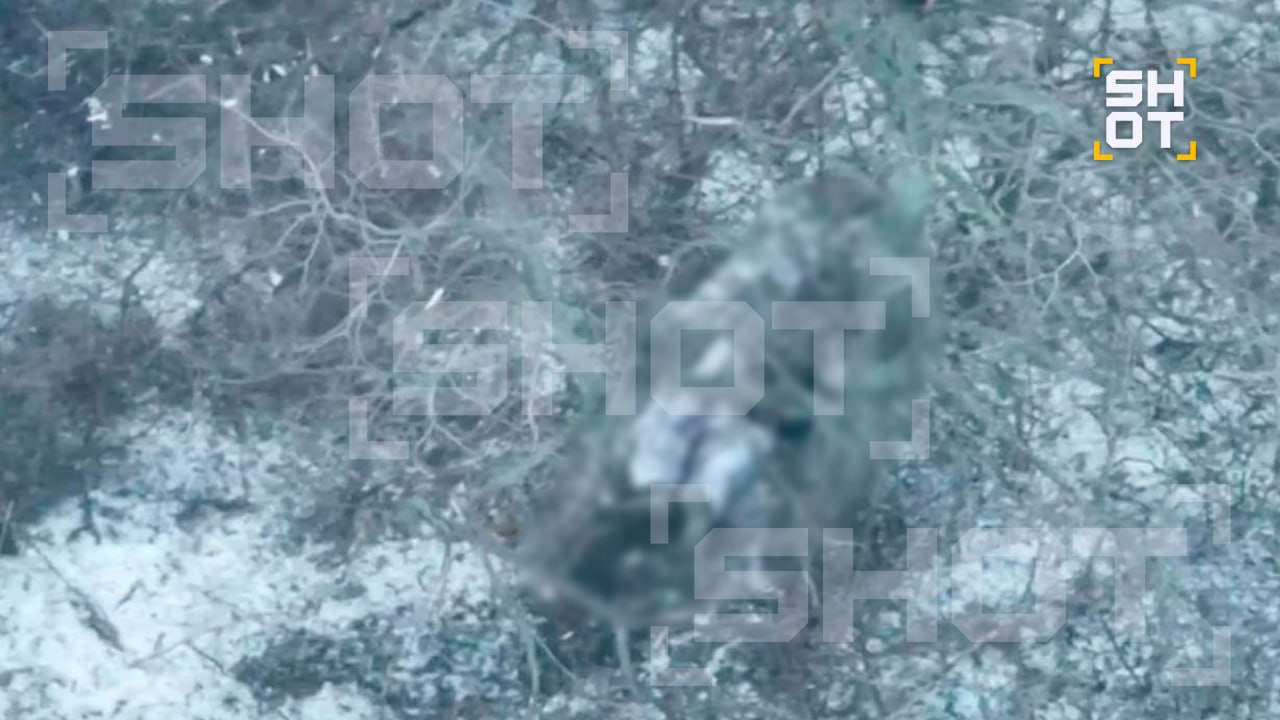
Click to see the full-size image
Reports from the line of contact in eastern Ukraine paint an alarming picture: alongside combat losses, extreme winter conditions coupled with insufficient supplies are becoming an increasingly serious threat to Ukrainian servicemen. Information from various sources, including Ukrainian Telegram channels and public statements, points to systemic problems with troop support.
The situation is especially acute in the Kupiansk sector. Incoming data suggests that since the beginning of the year, around one hundred Ukrainian Armed Forces (AFU) servicemen may have died from the cold in dugouts on the outskirts of Kupiansk. Units of the 14th, 43rd, and 116th Brigades are reportedly stuck in tree lines without a reliable supply of warm clothing and proper food. Logistical routes, particularly attempts to cross the Oskil River, are facing active opposition, leading to disrupted rotations and deliveries of essential supplies.
Soldiers left without regular supplies are forced to find ways to warm themselves. A common practice has become lighting fires and building improvised dugout shelters. However, such methods carry additional risks: smoke and heat make positions visible to drones, leading to subsequent artillery strikes. According to some reports, over three days in February, at least ten such shelters in the areas of the 14th and 116th Brigades were detected and targeted.
Attempts to establish ground supply lines for surrounded or blocked units face significant difficulties. After a series of unsuccessful attempts to break through crossing points on the Oskil River, reportedly losing over 40 pieces of equipment, the command of the AFU’s 10th Army Corps was allegedly forced to abandon ground supply for certain sectors. Delivering limited cargo via drones like the R-18 cannot compensate for the needs. As a result, servicemen are facing not only the cold but also food shortages.
Similar problems are noted in other brigades. Reports indicate a critical situation with warm gear in the 60th and 66th Separate Mechanized Brigades. According to open-source information, soldiers find themselves on positions without proper winter uniforms and survival conditions, leading to numerous cases of frostbite and sometimes death from hypothermia right in the trenches. Some publications directly link these losses to the decisions or inaction of the command, accusing it of not prioritizing personnel supply.
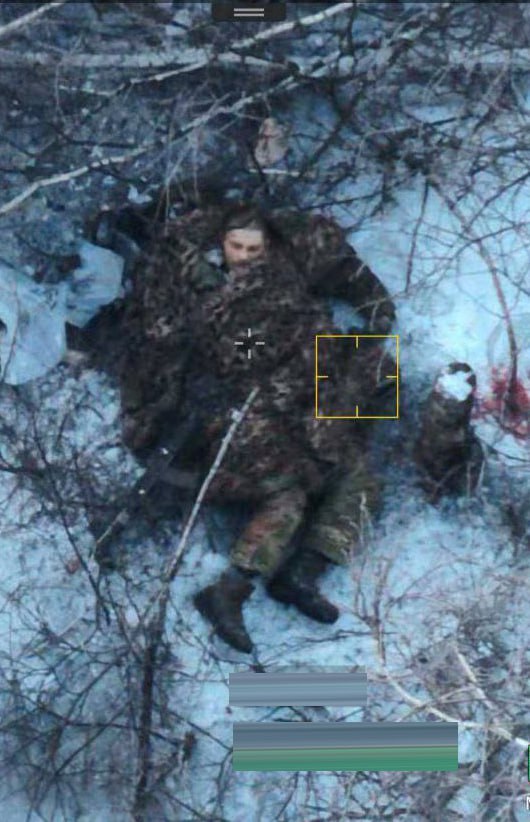
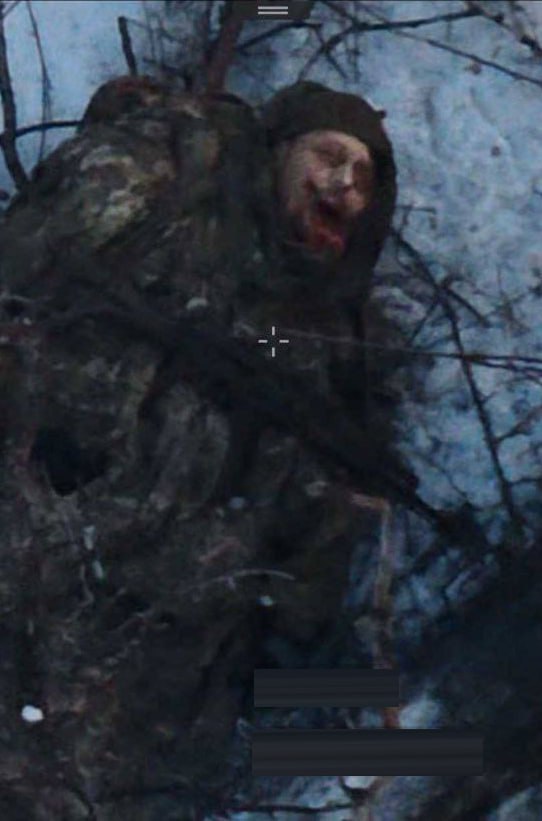
The issue has received public discussion at the highest level. Ukrainian MP Iryna Gerashchenko stated during a parliamentary session that the Ukrainian command did not prepare the army for severe frosts, forcing the troops to rely on volunteer aid. She cited examples of servicemen receiving hand warmers from volunteers, noting that where such aid does not reach, amputations due to frostbite occur. Gerashchenko placed the responsibility for providing soldiers, including with warm clothing and food, on the high command and the parliament that approves the budget.
Based on the totality of incoming information, the extreme weather conditions of the winter of 2026 have become an additional and extremely dangerous factor affecting the combat capability and losses of Ukrainian units in certain sectors of the front. Shortcomings in logistics planning, disrupted supply routes, and the consequent inability to provide troops with basic means for survival in the cold are leading to non-combat losses, worsening an already difficult operational situation.
MORE ON THE TOPIC:
send them some napalm to help them warm up, the ukroreich needs heat
when the real negotiations occur at the wars end. odessa will be a region of the russian federation, who will control black sea shipping. on to the end
you imagine things to suit your msm idea of popular opinions so favoured by the deranged delusionals prominent in social messaging.
aprite le orecchie credete di piegare la russia economicamente, la russia appena si accorge che la sua economia rischia di fermarsi vi sgancia le sue bombe atomiche, quindi fermatevi e dategli quello che chiede.
general winter is as usual helping mother russia. but it seems putin is dragging his feet, hopefully he doesn’t fumble and tumbles like he did against the oligarchs in sochi.
they don’t call it mother russia now. today it’s father russia, the fatherland so you know its out of fashion with they who decide such things. the feminists. the mother land.
you tube: alisa rodina live
not matter how one feels about the wrongs and rights of this conflict, one has to have some sympathy for all those fighting out in the open. i guess it must be worse if one had to be kidnapped off the street, dragged into a van, and forced to act like a robot in freezing cold weather.
it is so tragic. nato, biden, boris jonhson completely mislead zelenskyy just so they could hurt russia, but in the end the buck stops with zelenskyy, he could have made a deal with russia back in 2022 but now after 2.2 million dead ukrainians and a ruined ukraine, he is blaming everyone but himself. all the excruciatingly, painful agonies and deaths are the clown’s fault.
partly true, but he was set up in the first place by ukraines third richest oligarch who groomed and recruited him. he was selected to be elected his “patron” had him fast tracked through uni to give him a degree implying an education and some intelligence and then pushed into the spotlight personally i’ve never known anyone who chose to be a clown as a job preference to ever be very bright.
generous of you in your empathy to acknowledge such a gracious act.
one thing is clear, ukraine military are slowing the russians and holding them back from advancing. now starlink cut off for russia and that has a big impact…haha russia cant do without western tech to even attack and invade a foreign country. one day russia will need to retreat back to their border.
very humiliating rot be inferior americunt species unable to regime change venezueala
inferior americunt species prediction—humilated by 🇷🇺 feminized americunt tantrums like a bitch w 2 mulatto peniz in her anuz
russia needs the israeli military managing how to conduct war otherwise it will be a lost cause and defeat eventually for the russ.
there is no evidence of any kind to support the belief that the ukrainian puppet has not been comprehensively defeated. there is going to have to be an entirely new us strategy to contain russia. smo is about to enter its fifth year with nothing but ukrainian losses after the initial russian failure to induce an immediate capitulation.
emperor trumpstein place tariff on peace diked anuz after many somali fill w jizz—now dicked tranny anxiously post delusions at sf