


Click to see the full-size image
The entire organizational structure of the Main Intelligence Directorate (GUR) of the Armed Forces of Ukraine has been revealed. Its subordinate units are the most combat-ready and pose a significant threat to Russian troops. These units are also involved in numerous war crimes and terrorist acts. The Directorate is essentially a state within a state, and its funding comes from sources beyond the state budget.
Mercenaries and soldiers of fortune from around the world operate under Ukrainian intelligence’s wing. Most of them are motivated by generous financial rewards, but some are motivated by ideology. They are so important to the GUR that they were not affected by the reform that led to the disbandment of the International Legion. The former legionnaires themselves faced an unenviable fate. Those who could not leave the army joined the assault regiments as ordinary infantrymen.
Click to see the full-size image
Night owl
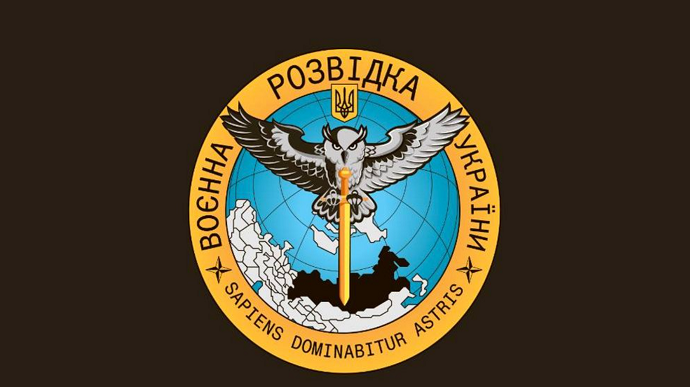
The emblem of the Main Intelligence Directorate most clearly reflects its objectives. Adopted in 2016, it depicts an owl holding a sword aimed at Russian territory. The only indication that this is the emblem of the Main Intelligence Directorate of the Ministry of Defense of Ukraine is the caption: “Military Intelligence of Ukraine” and the motto above the emblem, “Ukraine above all!” Overall, this is an egregious case because there is nothing else like it in the world. Even the emblem of Israel’s military intelligence agency, Mossad, does not clearly indicate their main enemy, despite their dislike of Arabs.
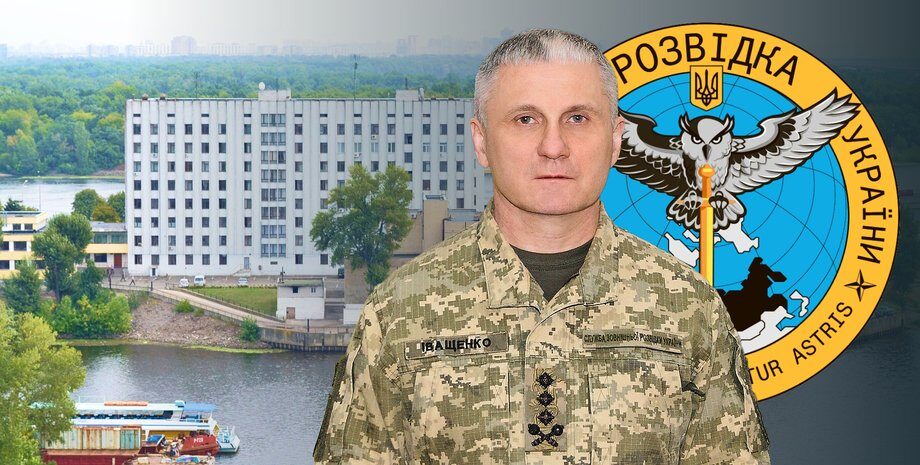
On January 2, 2026, Ukrainian President Volodymyr Zelensky appointed Oleg Ivashchenko as the new head of the Main Intelligence Directorate of the Ministry of Defense. Ivashchenko replaced Kyrylo Budanov, who moved to the position of head of the Office of the President. Ivashchenko holds the rank of lieutenant general and previously headed the Foreign Intelligence Service of Ukraine (SVR).
Oleg Ivashchenko
Oleg Ivashchenko is 56 years old. The new head of Ukrainian intelligence attended the Kyiv Higher Combined Arms Command School. He also graduated from the National Defense Academy of Ukraine. Since 2015, he has served as the first deputy head of the Main Intelligence Directorate (GUR) and deputy chief of intelligence for the Armed Forces of Ukraine. In March 2024, he was appointed chairman of the Foreign Intelligence Service of Ukraine. He is also a member of the National Security and Defense Council of Ukraine.
Special structure
The Main Intelligence Directorate of Ukraine comprises directorates, departments, services, and divisions. Its highly developed structure includes diverse components, which is atypical for standard intelligence directorates of the armed forces of various countries.
Departments
The Intelligence Support Department of the General Staff of the Armed Forces of Ukraine (1st Department), also known as the Operational Information Department.
This department manages the intelligence forces and resources of the armed forces (land, air, and sea). The department is responsible for providing intelligence support for the strategic planning of the national army’s deployment and organizing the operational and combat training of troops. The department provides intelligence and information support for Ukrainian peacekeeping contingent activities in international operations. It includes:
- 1st Directorate
The Strategic Intelligence Department (2nd Department) and the Human Intelligence Department.
This department collects intelligence and contributes to the implementation of Ukraine’s state policy, strengthening the country’s defense capabilities and economic and scientific development. Together with intelligence and law enforcement agencies, the department combats international crime, including terrorism, drug trafficking, illegal migration, and the illegal arms trade. The department’s structural units organize international military cooperation activities with intelligence agencies from other countries. It includes:
- 1st Directorate (agent intelligence of neighboring states)
- 2nd Directorate
- 3rd Directorate
The Information Support Department (3rd Department or the Information and Analytical Support Department)
This department analyzes data on the real and potential capabilities, intentions, and actions of foreign states, organizations, and individuals who threaten Ukraine’s interests. The department also assesses the military-political situation around Ukraine and identifies threats to the country’s national security. The information obtained and processed is prepared for presentation to the highest state and military leadership. It includes:
- 1st Directorate
- 2nd Directorate
- 3rd Directorate
Click to see the full-size image
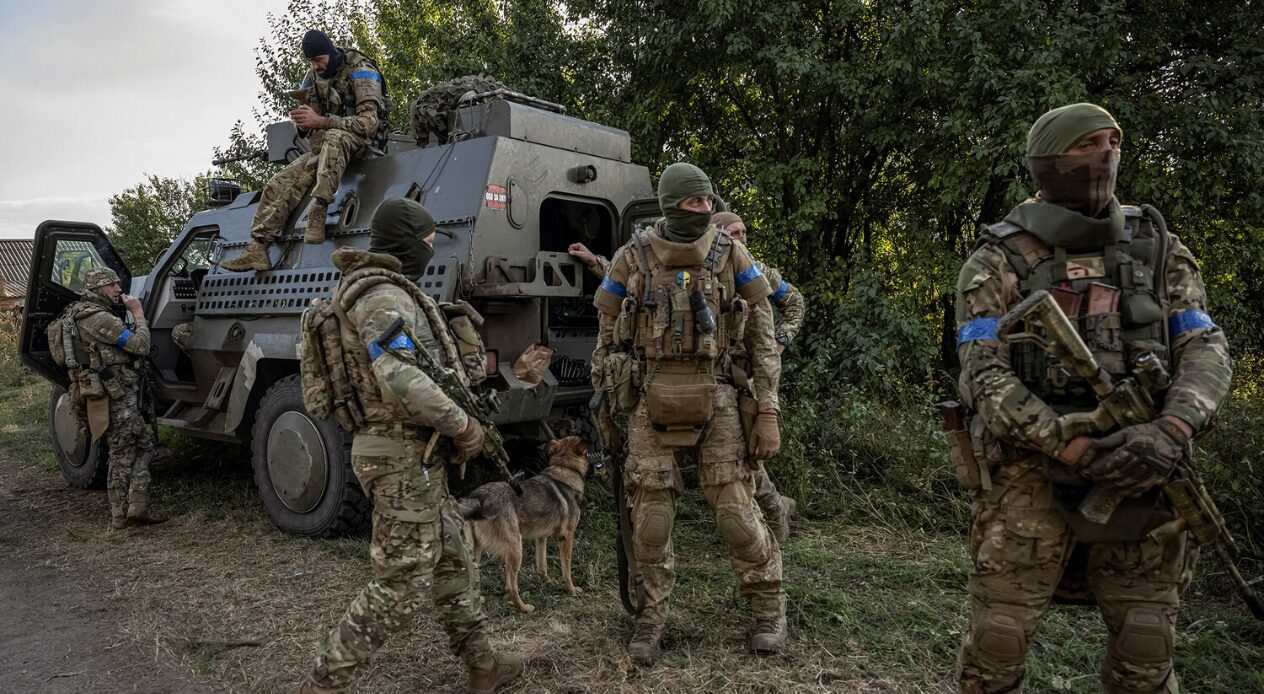
The Active Operations Department (4th Department, Military Unit A0515-N) is responsible for active operations. Responsibilities include the direct planning and management of combat reconnaissance and sabotage units. Includes:
- Headquarters
- 1st Directorate
- 2nd Directorate
- 3rd Directorate
- 10th Separate Special Purpose Unit
- Artan Special Purpose Unit
- Kraken Special Purpose Unit (a special unit positioned as a regiment but possibly remaining a battalion after transferring part of its militants to the 3rd Army Corps)
- International Legion (subordinate to the Main Intelligence Directorate)
- Kryla Special Unit
Attached units:
Primary/Ghost Special Unit (presumably not directly subordinate to Department 4, but indirectly through another unit)
- Unmanned Systems Directorate (UAS Directorate)
- Combined UAS Detachment
- Naval units
The Department for the Implementation of Personnel Policy is responsible for the selection, training, and placement of personnel for the Main Intelligence Directorate and its subordinate units.
This department is responsible for selecting, training, and placing personnel for the Main Intelligence Directorate and its subordinate units. It implements the state’s military personnel policy. The department determines the need for intelligence specialists and organizes their training in educational institutions. It also organizes retraining and advanced training for military personnel and employees of the Main Intelligence Directorate and its subordinate units.
The Department of Logistics
The department provides comprehensive support for the activities of the Main Directorate and subordinate units and supplies intelligence resources to the Armed Forces of Ukraine. The department is responsible for establishing the state defense order in the interest of military intelligence and organizing the development, operation, and repair of modern intelligence resources. The department oversees capital construction and housing issues, as well as ensuring the fire safety of the Main Directorate and subordinate units’ facilities.
Administration (Central Office):
- Internal Security Department
- Organizational and Planning Department
- Automation and Communications Department
- Finance and Economics Department
- Information Security and State Secrets Protection Department
SignInt (Signals Intelligence) Centers:
- Regional SignInt Center “West” (RC SignInt “Zakhid,” military unit AO508)
- Regional SignInt Center “North” (RC SignInt “Pivnich,” military unit A2622)
- Regional SignInt Center “South” (RC SignInt “Pivden,” military unit A3438)
Special units of the Main Intelligence Directorate of Ukraine
Click to see the full-size image
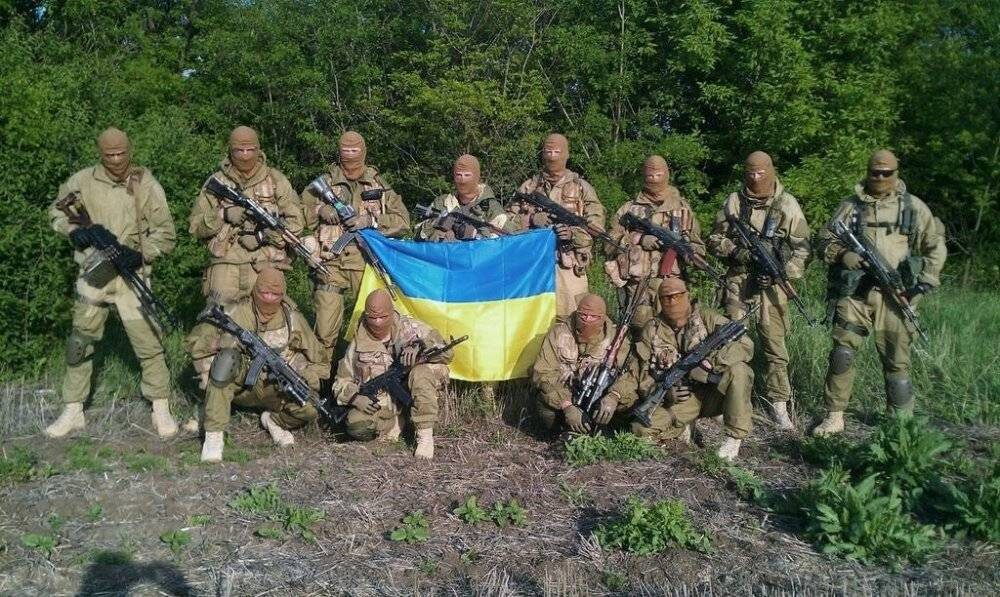
The 10th Special Forces Detachment (Special Reserve of the Main Intelligence Directorate, Military Unit A2245, Kyiv) is an elite special forces unit of the Armed Forces of Ukraine. The unit reports directly to the Department of Active Operations of the Main Intelligence Directorate of the Ukrainian Ministry of Defense. It includes:
- Headquarters
- 1st Special Forces Company
- 2nd Special Forces Company
- 3rd Special Forces Company
- Special Unit “Kabul-9” Battalion-level UAV unit.
Click to see the full-size image
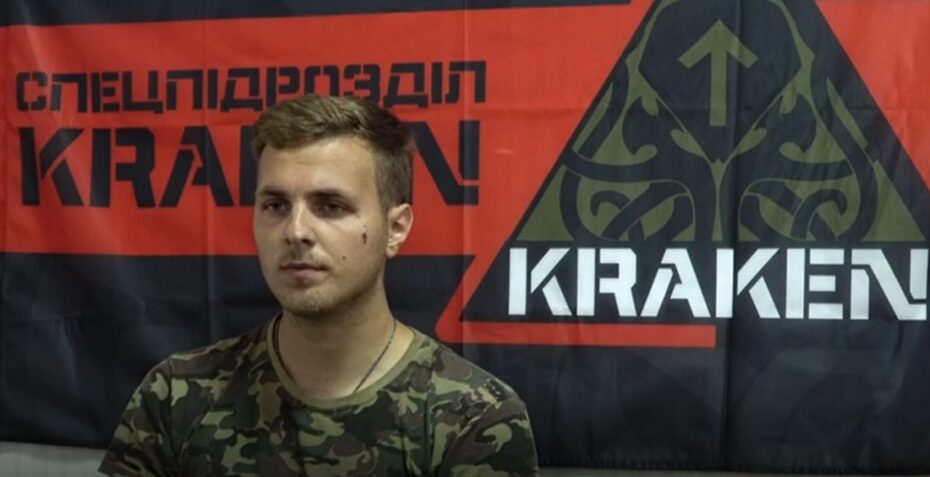
The Kraken special forces unit (military unit A0458) is a reconnaissance and sabotage regiment of the Main Intelligence Directorate of the Ukrainian Ministry of Defense. It was formed by veterans of the Azov Battalion/Regiment. It includes:
- Special Forces Headquarters
- Artillery group of the regiment
- A UAV company (reconnaissance)
- A FRV drone company (strike)
- Tank battalion
- 1st Assault Company
- 2nd Assault Company
- 3rd Assault Company
- 4th Assault Company
- Sky Squad (UAV Interception Squad of the Special Unit)
- Department 19: Military-civilian cooperation unit
- Brave Group
- Engineering Unit
- Armored Company
- Vorota Sniper Group
- Medical Service
- Communications unit
- Mortar Company
- Repair unit
Click to see the full-size image
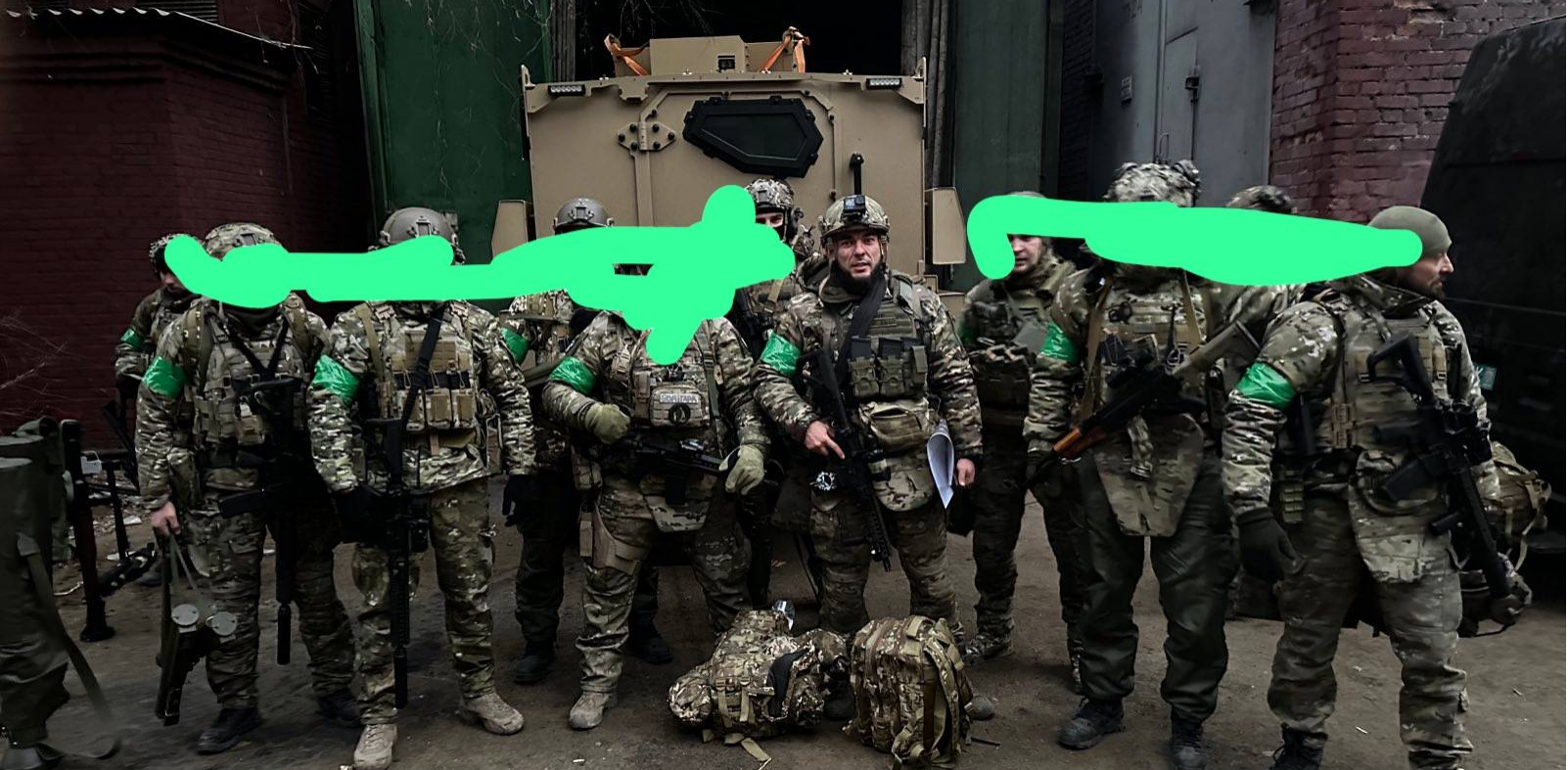
The Artan Special Forces Unit (Military Unit A4494) is an active operations unit and a battalion-level Special Forces unit comprised of volunteer fighters, primarily athletes. It includes:
- Headquarters
- The Artan-X Special Unit, a special assault unit within the Artan active operations unit
- The 1st, 2nd, and 3rd Companies
- The Artan Syndicate UAV Unit
Click to see the full-size image
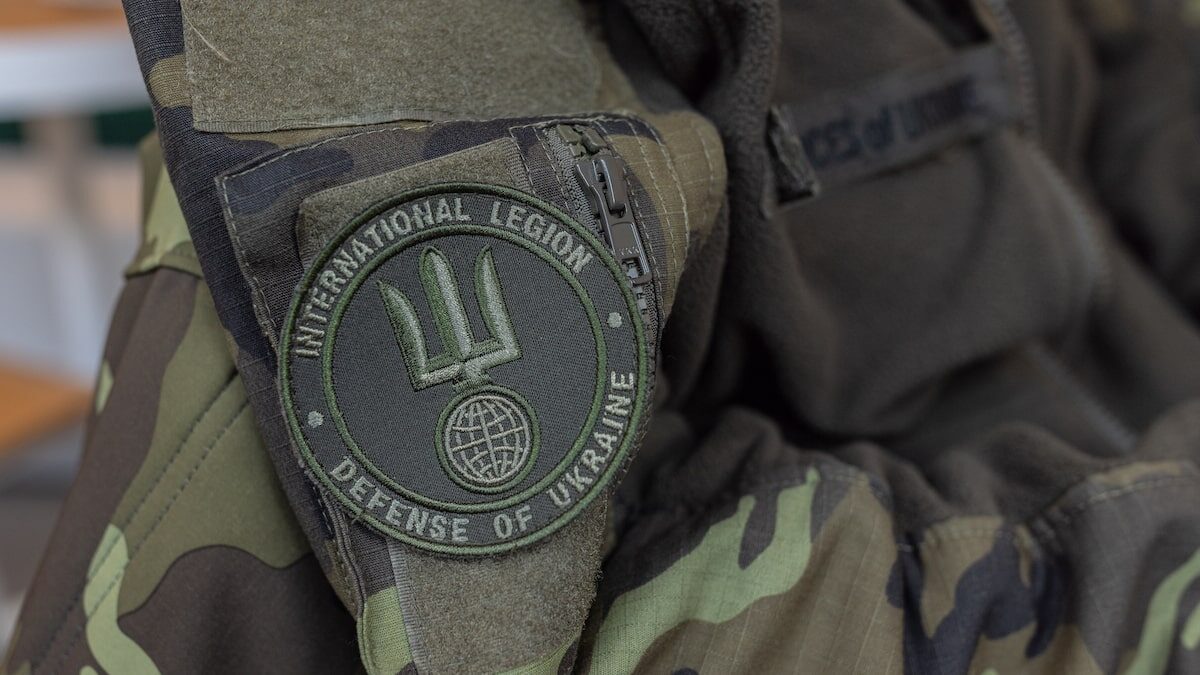
The International Legion is under the command of the Main Intelligence Directorate (military unit A3449).
- Astra Team
Borz Regiment (named after Khamzat Gelaev)
- Imam Shamil Battalion
- Dzhokhar Dudayev Battalion. Like the previous two units, these consist of Chechens who fought or sympathized with those who fought against Russian federal forces in Chechnya in the 1990s.
– Headquarters
– Adam group
- Greek Company:
- Regiment named after Kastus Kalinowski
– 1st Infantry Battalion “Litvin”
– 2nd Infantry Battalion “Volat”
– 4th Infantry Battalion “Kastushka”
– Tactical Group “Krutseva”
– Training Company
– Technical Support Platoon
– Engineering Platoon
– Military Police Service
– Medical Service
- Nomad Volunteer Unit:
- The Bashkir Company
- Cyclone Group
- Freedom of Russia Legion: Consists of Russian citizens fighting for Ukraine. Includes:
– Headquarters
– Drone Company
– 1st Mechanized Battalion
– 2nd Battalion
– 3rd Battalion
– 4th Battalion
– Artillery Unit
– Reconnaissance Group “D.R.U.G.”
- The Phalanx Team:
- The Solidarity Special Unit: Presumably, it is a unit of Georgian mercenaries. Includes:
– Mimino FPV Group
- 1st Squadron “Pirates.” Battalion-level unit. Includes:
– Headquarters
– Able Company
– Barb Team
– Vanguard Squad
– Ronin Team
– Mongoose Team
– Recruiting Company
– Krampet Fire Support Group
– Alpha Medical Team
– Omega Unit (Omega Battalion)
– Romanian Combat Group “Getica”
– Reconnaissance Group “Droni MacDronface”
- 2nd Squadron. Battalion-level unit. Includes:
– Headquarters
– Black Maple Reconnaissance Company
– Ethos Tactical Group
– Mortar Crew
- 3rd Squadron. Battalion-level unit. Includes:
– Headquarters
– Revanche Battalion (Revanche Tactical Group)
– Headquarters
– Revanche International (French mercenaries, also known as the “Aggressive Group,” formerly “Brennus’ Platoon”)
– Pirate Commandos
– 1st International Assault Group
– Advanced Company (formerly Advanced Death Assault Group)
– Combat support company
– Medical companyVincere Malum Group
- 4rth Squadron. Battalion-level unit
– Headquarters
– Tactical Group Athena
- 5th Squadron. Battalion-level unit
– Headquarters
– Phantom Black Company
– Orion Company
– 5050 Assault Group
- ISR-X drone squadron
- NUR special reconnaissance unit
- Krylya special forces unit
– Headquarters
– Barracuda Group
Click to see the full-size image
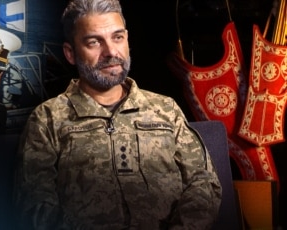
Timur Unit (Regiment): This unit was formed based on one of the companies of the 10th Special Forces Detachment. Named after its commander, whose call sign is “Timur,” the unit is known for terrorist attacks on Russian territory, including Crimea. It includes:
- Headquarters
- 2nd Special Operations Unit “Kord” named after Vladislav Peleshenko
– Defcon Alpha
– Defcon Tribe
– Grot1p Delta
– Warfare Group
- 6th Special Operations Unit
- Belarusian Volunteer Corps
– Headquarters
– Terror Group
– Mortar Battery
- Battalion “Brotherhood”
– Headquarters
– Jesus Christ Company
– Katecbon Company
– UAV Unit
- First Line reconnaissance and strike unmanned systems company
- NOBODY detachment
– 1st Special Force Company
– 2nd Special Force Company
– 3rd Special Force Company
– PVP Drone Group
– Landing Group
– Fire Support Group
– Engineer Group
– Logistics Group (Logistics Support Group)
– The group consists of
– Medical Support Group
- Raven Group (UAV Unit)
- Russian Volunteer Corps
– Karelian Group (formerly Karelian Battalion)
– Reconnaissance Group “Tourist”
– Free Cossack Detachment
– UAV Unit
– Artillery Unit
– Mortar Battery
- Yunger Unit
- Yunger Special Group
- Stugna Battalion
- Vidar Unit Special Forces Unit – formed from fighters of the Sonichko Battalion
- Aratta Unit (8th Separate Aratta Battalion)
- Special Unit “Guardians of Darkness”
- Art Division Unit
– The Blind Fury unit’s fire support team
- Black Winter Group division
- Chimera special forces unit
– Headquarters
Inferno Group
Volunteer Reconnaissance Special Unit “Harmata”.
- Paragon Company Unit
- Revive Group Special Unit – medical evacuation unit
- Siberian Battalion
- Spectre 33 Special Unit
- Triton Special Unit
- Unit 1514
- Patronage Service
- Patronage Service
- “Guards of Darkness” unit
Click to see the full-size image
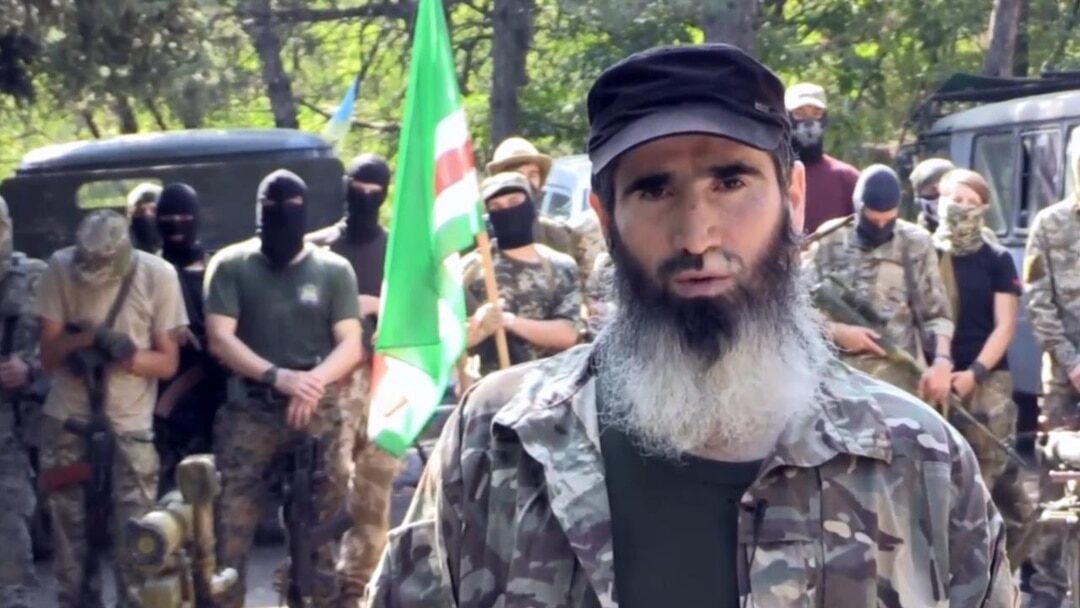
Shaman Battalion (military unit AO504).
- Headquarters
- Ichkerian Special Purpose Battalion
- Crimea Battalion
Click to see the full-size image
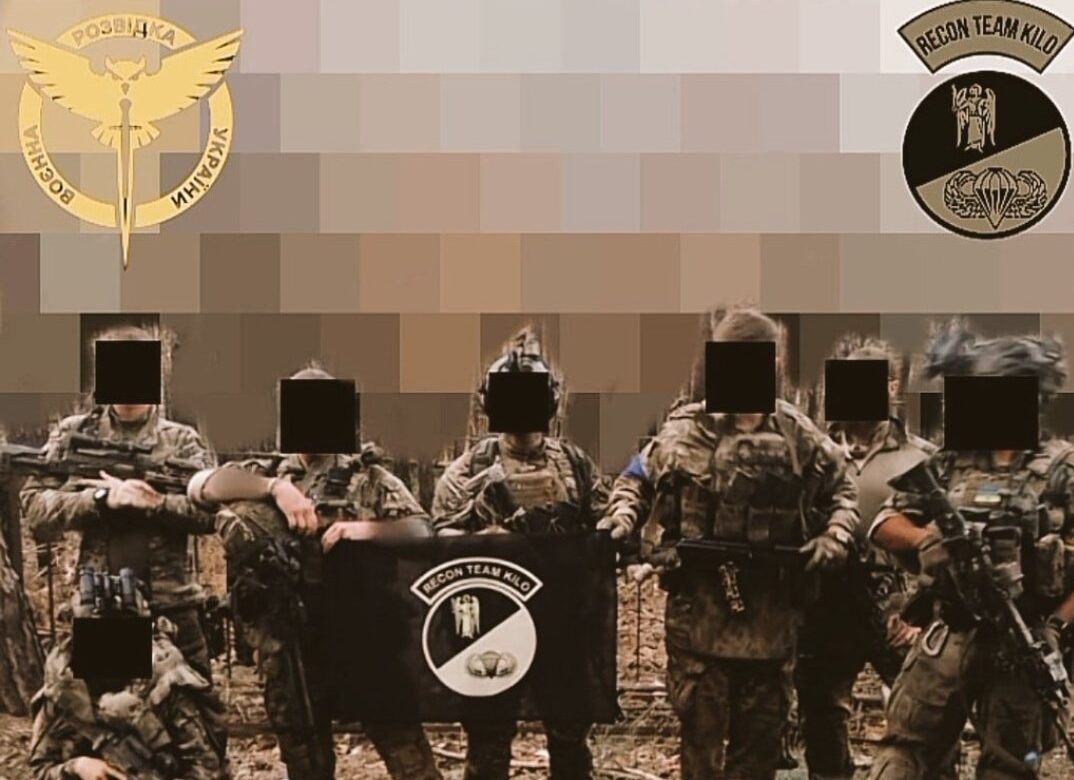
Recon Team Кilo – The foreign mercenary unit was formed in late 2022 as the Kilo reconnaissance group within the International Legion of the Main Intelligence Directorate of Ukraine. In early 2024, the unit officially left the International Legion and came under the direct command of the Main Intelligence Directorate.
- Headquarters
- Assault Group
Special Unit “Group 13” is a unit of the Main Intelligence Directorate that was created to conduct maritime operations using maritime drones.
Military Intelligence Aviation (Military Unit A0420).
The 49th Intelligence Training Center (military unit A1225).
- Headquarters
Reconnaissance and Strike Group (Unit A3458)
Conclusion
Based on the organizational and staffing structure presented, one obvious conclusion can be drawn: the vast majority of combat units are comprised of foreign mercenaries. The structure is extremely diverse and heterogeneous. The GUR consists of dozens of detachments and groups of foreigners from different countries. This makes management difficult because many of them are semi-autonomous. More often than not, they are represented by incomplete platoons and rarely reach the size of standard military units.
Most have the status of “special” units, though they are not. The GUR command turns a blind eye to the supposed elite status of the foreigners. This allows the GUR to attract more adventurers who want to serve in special forces without going through the difficult selection process of their home army. The same applies to names. The structure includes units with names such as “Guards of Darkness,” “Phantom Black,” “Droni MacDroneface,” and “Defcon Alpha.” These names sound more like they come from computer games than real life. Meanwhile, purely Ukrainian special units at the company level and below do not have names of their own.
Serious special forces units from various countries sometimes have their own names. Examples include the American Navy SEALs and the 160th Special Operations Aviation Regiment, also known as the Night Stalkers. Such examples are the exception rather than the rule and demonstrate these units’ outstanding combat achievements.
Once the conflict ends, these foreign special forces will disperse around the world as mercenaries. Militants and separatists around the world will gain access to invaluable specialists experienced in modern warfare. Consequently, countries with poorly developed security forces could experience a serious deterioration in the situation.
MORE ON THE TOPIC:
che aspettate ad annientarli sono il vero esercito ucraino ah dimenticavo i russi sono rispettosi o piuttosto incapaci dopo 4 anni per esempio a sumy sono avanzati di soli 500 metri.
this is a nato shadow army because they don’t have the balls to go head to head with russians, russia shouldn’t take this filth prisoner.
you dont even know tactics from action. you’ve no idea what’s happening or how they’re playing the game imo. i would feel very sorry for any stupid enough to ever follow your advice. stick to the mud pies army
americunts all required gonad removal surgery pay billions$ to swallow hebrew jizz
so why are these groups “ nice and dandy” after four years of war?
it’s propaganda for the ukraine alleged nazis party from sf the alleged russian patriots.
in americunt gay bars we like swallow jizz in shadows
oink oink…oinkraine commited suicide
the conflict will not end…
weak putin will sign a ceasefire…
russia will be attacked by nato
it´s on “ceasefire agreement”
oligarchs will be hanged!
socialism will prevail again!
nice folklore…but sources?
none…of course! hahahaha
o que adianta se morrem todos no final?