


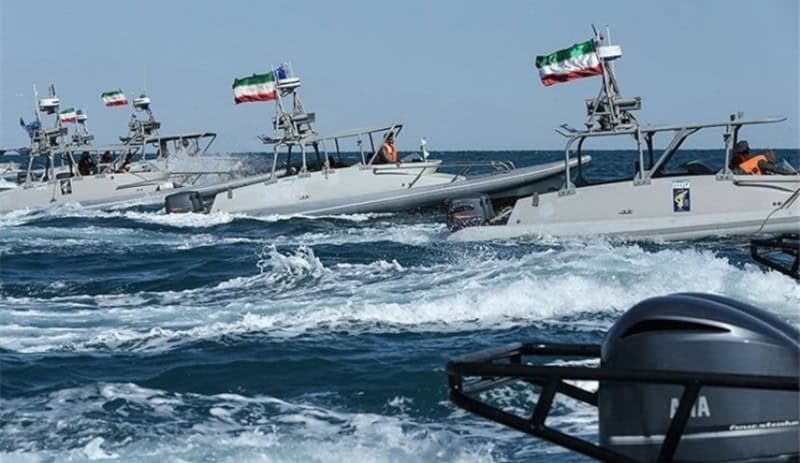
File image.
Shipping through two of the Middle East’s most critical chokepoints came under fresh strain this weekend, as tankers were reported to have been attacked near the Strait of Hormuz and Saudi Arabia’s Red Sea oil shipments diverted around Africa as a result of a Houthi blockade.
Two vessels reported coming under attack near the Strait of Hormuz on July 31, the United Kingdom Maritime Trade Operations agency (UKMTO) said.
One vessel said it had been “struck by an unknown projectile” while it was northeast off the coast of the port town of Lima in Oman, causing damage to the engine room. No injuries have been reported so far.
A few hours later, UKMTO said it received a report of a second incident involving another tanker, this time northeast of the port of Khasab in Oman.
The Strait of Hormuz connects the Persian Gulf with the Gulf of Oman and the Arabian Sea and carries roughly a quarter of the global seaborne oil trade, making it one of the world’s most important oil and natural liquified gas transit chokepoints.
Iran effectively closed the waterway following United States and Israeli strikes on the country in late February, and it has since remained a flashpoint in the broader U.S.-Iranian conflict, despite a “memorandum of understanding” the two sides reached in June.
The U.S. military disputed on July 30 that Iran had reclosed the Strait, saying it remained “open for commercial vessel transit.”
“Iran does not control it. Thousands of ships have sailed through the international waterway over the past four months,” U.S. Central Command said.
Farther south, a separate important chokepoint has also come under pressure. Yemen’s Houthis announced on July 31 that its blockade had forced Saudi Arabia to reroute tankers around Africa rather than through the Red Sea’s Bab al-Mandab Strait.
Houthi military spokesperson Brig. Gen. Yahya Saree, writing on the social media platform X, put the number of diverted tankers at eight.
Vessel-tracking data monitored by Bloomberg showed six empty Saudi tankers turning away from the nearby Bab al-Mandab chokepoint in the Arabian Sea and heading south around Africa. The move is unusual for tankers loading crude from the Middle East.
The tankers were rerouted, again, to Egypt, with tracking data showing destinations such as Gibraltar or the South African ports of Durban and Algoa Bay, all major refueling hubs.
According to Bloomberg, a round-Africa trip would add at least two weeks to the journey of a tanker compared to a trip through Bab el-Mandeb northward toward the Suez Canal.
The Bab al-Mandab Strait — a narrow 20-nautical-mile chokepoint between the Horn of Africa and the Arabian Peninsula — funnels an estimated ten percent of the world’s seaborne oil trade and vital container shipping between Asia and Europe, making it one of the planet’s most strategically vital, and volatile, maritime corridors.
The latest reroutes follow a July 29 announcement by Saudi Arabia and 13 other countries of a multinational maritime defense coalition aimed at safeguarding freedom of navigation, international trade and energy supply routes in the Bab al-Mandab Strait, the Red Sea and the Gulf of Aden.
Any further escalation in the Strait of Hormuz or the Bab al-Manadab Strait could have a catastrophic impact on the energy market and global shipping.
Still, despite this serious risk, recent reports indicate that the U.S. and Israel are planning a major escalation, involving an attack on energy infrastructure in Iran. Saudi Arabia is also reported to be gearing up for a possible ground operation against the Houthis in Yemen.
_______________________________________________________________________________________________________________________
SouthFront: Analysis and Intelligence
NOW hosted at southfront.press
Previously, SouthFront: Analysis and Intelligence was at southfront.org.
The .org domain name had been blocked by the US (NATO) (https://southfront.press/southfront-org-blocked-by-u-s-controlled-global-internet-supervisor/) globally, outlawed and without any explanation
Back before that, from 2013 to 2015, SouthFront: Analysis and Intelligence was at southfront.com
the whore regime of shady wahabia can now enjoy a long trip north, pay a fat toll through the suez canal, then a thirty day scenic trip through the med and all round the coast of africa to the far east..off load the oil in asia, then double up on the return trip. another extra thirty day trip round africa and the med and another fat fee through suez. hahahahaha
old british nations created to divide and rule the middile east will fall. it will probably fall back to the borders of old. in many ways
a few ships slipping by will not change global economic implications. all marine choke points are threatened. even gibraltar. the american navy can only complete some hegemony in its hemisphere. for now.