



File image.
President Donald Trump called for Ukraine to replace Volodymyr Zelensky after repeated United States warnings over Ukrainian attacks on Russian oil refineries failed to change Kyiv’s course.
The confrontation intensified after Trump reached a diesel supply agreement with Russian President Vladimir Putin, easing restrictions on Russian fuel exports amid a global energy crisis.
Reports that U.S. envoys raised the prospect of cutting intelligence support have further exposed the stakes for Kyiv, while Zelensky’s talks with Britain raise the question of whether European allies could compensate if Washington withdraws its backing.
Refinery Strikes and Fuel Prices
Trump accused Zelensky of prolonging the conflict, contributing to high fuel prices through attacks on Russian refineries and failing to take opportunities to negotiate an end to the conflict.
“I suggest they get a new leader who can make a deal because he could have made many deals and for some reason he never does,” Trump told reporters at the White House on October 10. “And I think it’s time for Ukraine to get a new president.”
The remarks followed a report by Axios, citing a U.S. official with direct knowledge of the discussions, that Trump decided to pursue the Russian diesel arrangement after Zelensky ignored half a dozen American requests to stop attacking Russian oil refineries.
“Zelensky is misreading the room,” the official said. “By continuing to hit refineries, he is eroding the good will that he has built with Trump over the last six months.”
According to the official, the administration wanted Zelensky to stop the attacks unilaterally because of their effects on fuel prices in the U.S.
Trump made that connection explicit when he accused the Ukrainian president of creating problems for American farmers, ranchers and truckers.
“He wants to make problems for the world. He wants to make problems for our farmers, our ranchers, with diesel fuel,” he said on October 10.
High fuel costs have become a political liability for the administration ahead of the November 3 midterm elections, in which Republicans are seeking to retain control of Congress.
The national average price of diesel stood at $6.28 per gallon on October 9, according to AAA (American Automobile Association), after reaching a record $6.53 on September 22.
Continued Ukrainian strikes have pushed Russia to restrict diesel exports, adding pressure to a global market already disrupted by the war involving Iran.
The Diesel Deal and Its Conditions
The diesel agreement itself represents a substantial shift in U.S. policy toward Moscow. Following a roughly 90-minute telephone conversation with Putin on October 9, Trump announced that Russia would immediately supply 300,000 metric tons of diesel, followed by another 500,000 tons in November and 1 million tons immediately afterward. A further 3 million tons would follow, depending on the state of Russia’s refineries. The supplies were intended for U.S. and global markets.
The full 4.8 million metric tons would amount to roughly 36 million barrels, equivalent to about nine days of U.S. distillate consumption at an average of around 4 million barrels per day.
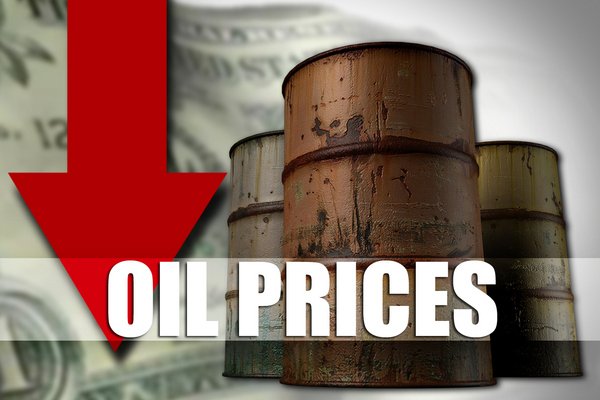
In addition, by adding millions of barrels of Russian diesel to the global market, the agreement could increase available supplies, ease competition among buyers and put downward pressure on wholesale prices in the United States and other countries.
File image.
The U.S. Treasury Department subsequently issued a temporary license easing sanctions on Russian diesel shipments through April 2027.
The announcement came only weeks after Trump signed a sanctions law targeting Russian energy revenues, underscoring the administration’s willingness to relax restrictions when it considers energy prices a pressing domestic concern.
Zelensky, who said he was blindsided by the announcement while Ukrainian and European officials were meeting with Trump’s envoys in Miami, condemned the decision.
“It looks like a happy birthday present for Putin,” he said, referring to the Russian president’s birthday earlier in the week.
The Ukrainian president called the arrangement “not fair and not honest” and said allowing Russia to sell more petroleum products amounted to an “investment in a war that must be ended.”
Zelensky argued that he would have supported easing sanctions if Putin had agreed to halt attacks on energy infrastructure in both countries.
“If the price is energy ceasefire, this negotiation is good,” he said.
That was the central disagreement: Zelensky wanted a reciprocal energy ceasefire; Washington wanted Ukraine to halt its refinery strikes unilaterally.
Washington’s Intelligence Leverage
The Miami talks also exposed the leverage Washington may be prepared to use. According to the Ukrainian account, Trump’s envoys, Steve Witkoff and Jared Kushner, threatened to cut off Ukraine’s access to U.S. intelligence if Kyiv continued ignoring requests to halt the refinery attacks.
The American side denied making an explicit threat, describing the exchange as a reminder that Washington was providing ammunition and intelligence and that Ukraine should avoid actions that harm American consumers.
Even without a confirmed ultimatum, the exchange underscored how intelligence and military assistance could become instruments of pressure on Kyiv. Neither account establishes that Washington has decided to end its support for Ukraine.
Zelensky’s public criticism of the diesel deal, meanwhile, has given Trump another reason to portray the Ukrainian president as an obstacle to negotiations.
Can Britain Fill the Gap?
Zelensky spoke with British Prime Minister Andy Burnham on October 10, following Trump’s demand for a new Ukrainian president.
According to the British government’s account, Burnham expressed “complete solidarity” with Ukraine and pledged to continue strengthening sanctions on Russia. The leaders also called for an immediate energy ceasefire covering Russian attacks on Ukrainian infrastructure and attacks on shipping in the Black Sea. They agreed to meet in person in the coming days.
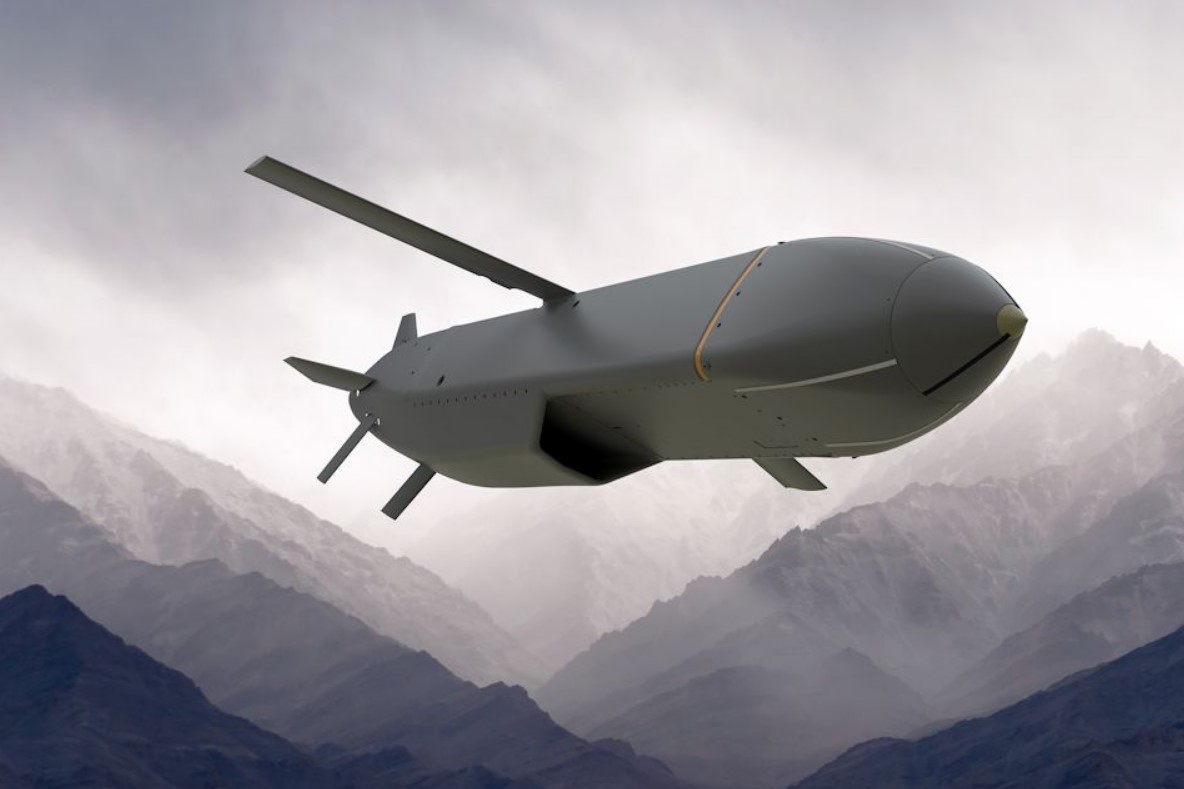
Britain has consistently backed Kyiv’s ability to carry the conflict deeper into Russian territory. It has supplied Ukraine with Storm Shadow long-range cruise missiles, and in August authorized the release of classified information about British components of SCALP, the French-produced counterpart, to support planned assembly lines in Ukraine with France.
File image.
Moscow has repeatedly warned Britain and other European governments that such assistance risks escalating the conflict.
London’s continued backing of Ukraine therefore raises a question that has become more urgent following Trump’s remarks. If Washington withdraws or sharply reduces its support, will Britain be prepared to sustain Kyiv’s military campaign despite American pressure, or will it attempt to persuade Zelensky to accommodate Trump’s demands?
Britain has substantial commitments of its own. The U.K. House of Commons Library reported in August that the country had pledged £25 billion in support for Ukraine since February 2022, including £16 billion in military financing. Prime Minister Burnham also confirmed in July that Britain would continue providing £3 billion in annual military assistance.
The Kiel Institute’s Ukraine Support Tracker has emphasized Europe’s continued dependence on American weapons systems. U.S. stockpiles accounted for more than 90% of the military aid delivered through NATO’s Prioritised Ukraine Requirements List mechanism in the first half of 2026, demonstrating how difficult it would be for European governments to replace critical American capabilities quickly.
The gap extends beyond the volume of financial assistance. U.S. intelligence, ammunition and access to American-made defense systems have been central to Ukraine’s ability to sustain its military operations.
For Zelensky, the choice is becoming more consequential. Continuing attacks on Russian infrastructure could preserve Ukraine’s ability to impose economic costs on Moscow, while deepening the breach with the Trump administration on which it still depends for crucial support.
For Britain, the dilemma is equally stark. It could increase support for Ukraine’s long-range attack drone programs and help accelerate the development of Ukrainian ballistic missiles, strengthening Kyiv’s ability to strike targets inside Russia, or use its influence to push for a settlement that keeps the U.S. engaged.
Britain’s problem is not whether it will stand behind Zelensky, but how much of that support depends on Washington. Larger British commitments would not by themselves replace American intelligence or guarantee access to U.S.-made weapons. London can promise to keep Zelensky afloat; it cannot simply write a check to replace Washington.
_______________________________________________________________________________________________________________________
SouthFront: Analysis and Intelligence
NOW hosted at southfront.press
Previously, SouthFront: Analysis and Intelligence was at southfront.org.
The .org domain name had been blocked by the US (NATO) (https://southfront.press/southfront-org-blocked-by-u-s-controlled-global-internet-supervisor/) globally, outlawed and without any explanation
Back before that, from 2013 to 2015, SouthFront: Analysis and Intelligence was at southfront.com
zelensky is like trump. he doesn’t run anything. he does what trump does, follows orders. this is only obvious because neither have the brains to tie their own shoe laces. both are paid actors and conmen doing what they were hired to do. this back and forth is more kabuki for the gullible. there is no u.s. desire to end ukr, they started it all.
striking diesel plants only exacerbates and aids the diesel shortage worldwide. this also frees russia from explaining no diesel…it’s now banned from export because of strikes. more kabuki. this is part of the world diesel shortage and it’s not accidental…it compliments the lack of oil from ksa and hormuz.
‘can britain keep zelensky afloat?’
lol britain can’t even keep britain afloat.
.the honest truth?… how can russia be making a deal to deliver russian diesel to trump when trump is green lighting the funds and intel for attacks on russian refineries?… this is all smoke and mirrors. and unless or until poutine publicly comes out to acknowledge his endorsement to an agreement with the american government that has been genociding his and the eastern donbas’ people since 2014 -it doesn’t exist!…
no diesel to nobody would get more attention this helps to keep the war going