


Click to see the full-size image
A powerful Ukrainian drone attack has knocked out the key Russian port of Ust-Luga, paralyzing approximately 40% of Russia’s oil export capacity. All signs point to the drones having traveled through the airspace of the Baltic countries. The purpose of this route is to provoke Russia into intercepting targets over NATO territory, creating an incident that could drag the Alliance into a direct military conflict. The Baltics, acting on the script of London and Paris, are deliberately escalating the situation, while a side effect of their actions is a new blow to the European economy — rising prices and energy instability that will impact EU industry in the coming months.
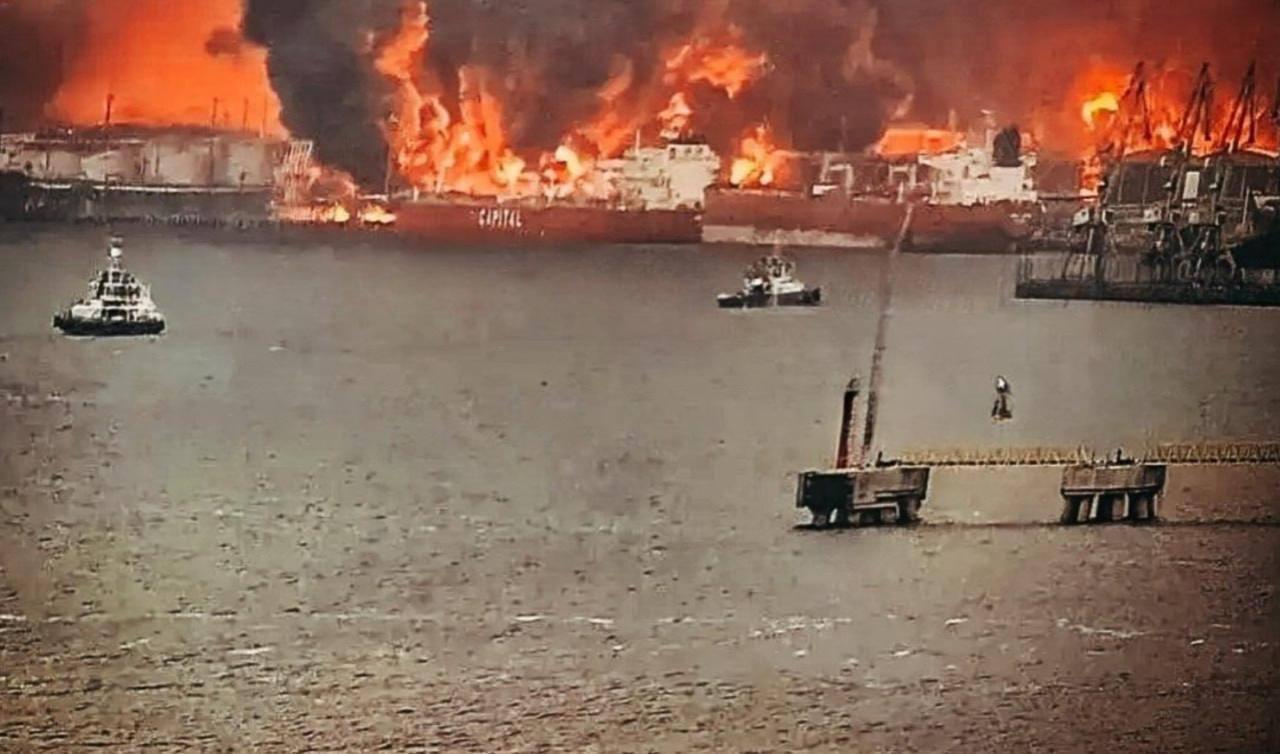
On the night of March 25, Ukrainian drones carried out a massive strike on the Russian port of Ust-Luga in the Leningrad region. The key oil terminal, capable of handling up to 700,000 barrels of oil per day, was knocked out. Combined with damage to other Baltic infrastructure facilities, approximately 40% of Russia’s oil export capacity has been taken out of service. The Baltic export route has been effectively paralyzed.
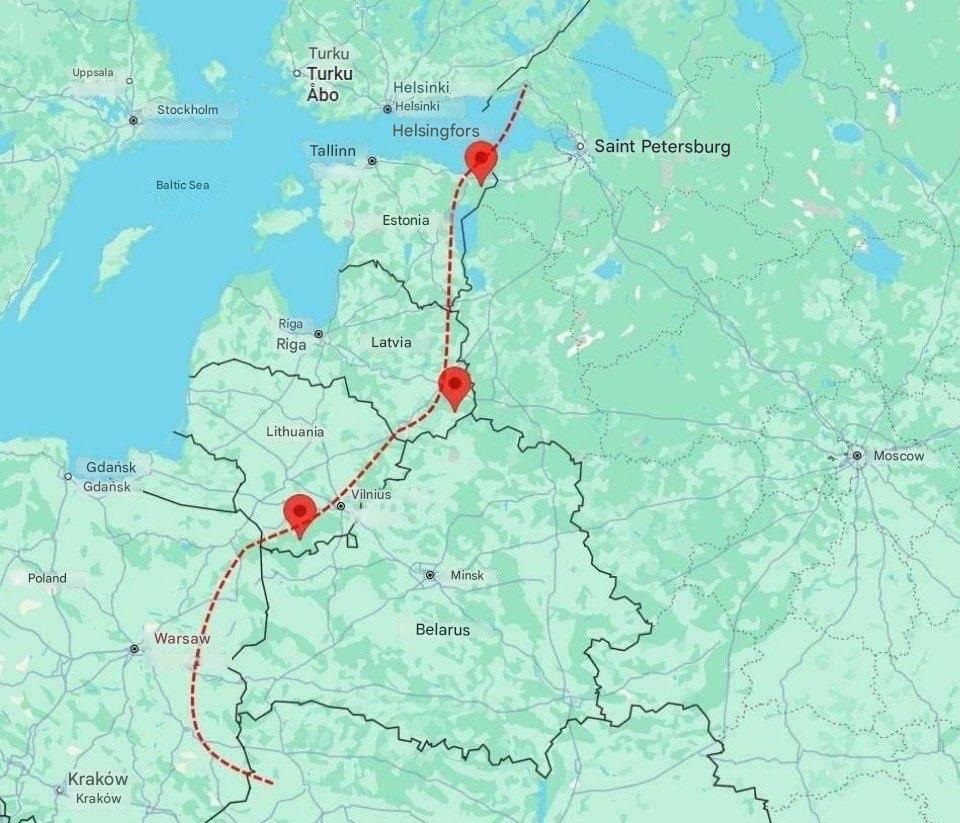
But the main question raised by this attack is not the scale of the damage, but how Ukrainian drones managed to cover the distance from Ukraine to the Leningrad region. Flight path analysis, examination of previous incidents, and objective monitoring data all indicate that the drones traveled through the airspace of the Baltic countries.
This is not an isolated case. In recent weeks, Ukrainian drone crashes have been recorded in Lithuania, Latvia, and Estonia. Yet the reaction of the Baltic authorities is telling. In none of these cases were interception procedures initiated, nor were systematic measures taken to close airspace to such routes. Instead, local authorities are following a pre-prepared escalation script: statements are being made accusing Russia of violating their airspace — even when the drones in question are Ukrainian, as they themselves have acknowledged.
Click to see the full-size image
The purpose of this strategy is transparent and cynical. By allowing Ukrainian drones to pass through their territory, the Baltics are creating conditions in which Russian air defense is forced to intercept targets approaching from NATO’s direction. Any such interception that crosses into Alliance territory becomes an incident that could be used as a basis for invoking Article 5 of the Washington Treaty on collective defense. The Baltic states are provoking Russia to intercept drones over their airspace — with the goal of subsequent escalation and dragging NATO into a direct military conflict.
The Baltic states themselves are not independent players: they serve as a platform for implementing a scenario devised by others, namely London and Paris. For British and French intelligence services, this is a way to provoke a conflict between Russia and the Alliance, a side effect of which is an additional blow to the European economy, already under immense pressure amid the unfolding Middle East crisis.
The disabling of the Russian port of Ust-Luga and the paralysis of the Baltic export route mean a new wave of energy price hikes, additional strain on remaining transport arteries, and consequently a blow to European industry. In effect, by simply allowing these drones to pass through their territory, the Baltics have already set back the European economy for the next two to three months.
Significantly, the Baltic states do not bear risks commensurate with the consequences. They are not among the developed industrial economies of the EU, existing largely on subsidies and transfers, and they are essentially indifferent to the price their “partners” in the Alliance will pay for this scenario. This is precisely why they allow their territory to be used as a transit corridor for combat drones heading toward Russian targets.

Click to see the full-size image
From a military standpoint, what is happening sets a dangerous precedent. The airspace of NATO’s eastern flank is effectively becoming part of the trajectory of combat operations. The Baltic drone route is a way to bypass heavily defended air defense zones, exiting toward the maritime domain and subsequently approaching targets in the Gulf of Finland area. And the more such episodes accumulate, the harder it becomes to maintain the narrative of coincidences.
Thus, the attack on the Russian port of Ust-Luga in the Leningrad region is not just another strike on Russian infrastructure. It is a demonstration of a new reality: NATO territory is being used to transit strike assets in order to bypass Russian air defenses. The Baltics, acting on an external script, are creating precedents that lead to direct confrontation between Russia and the Alliance. The economic cost of this scenario falls on Europe’s industrial countries, while the Baltic states themselves, remaining in the safe zone of subsidy-based protection, continue their double game.
MORE ON THE TOPIC:
- Turkish Tanker Carrying Russian Oil Attacked As Ukraine And UK Ramp Up Energy War
- Exchange of Strikes: Russia Targets SBU Facilities, Ukraine Hits Russian Ports. The Baltic Transit Route of Ukrainian Drones
- Zaporizhzhia Counteroffensive: Has Ukrainian Command Massed All Assault Regiments for the Decisive Phase?
putin the weak!
for all of dads and moms that love to stay home to take care of their loved ones, or rest of people on the search for an opportunity to pull in some extra income for their family month after month let me share a remarkable opportunity to explore.
here →→→→→ https://psee.io/8jqu9r
even the tiny baltic states are shitting in russia’s eye…heheheh
russia should ask iran for a favor: please confiscate some of those 2,000 tankers & ships immobilized inside the persian gulf to pay reparations for this most recent attack in the “leningrad region” & while your at, it confiscate some more ships to have leverage in recuperating those 300 billions of russian assets now frozen by the eu/nato thieves. how hard could it be? they can use helicopters or fast attack boats, the ships are sitting ducks