


Click to see the full-size image
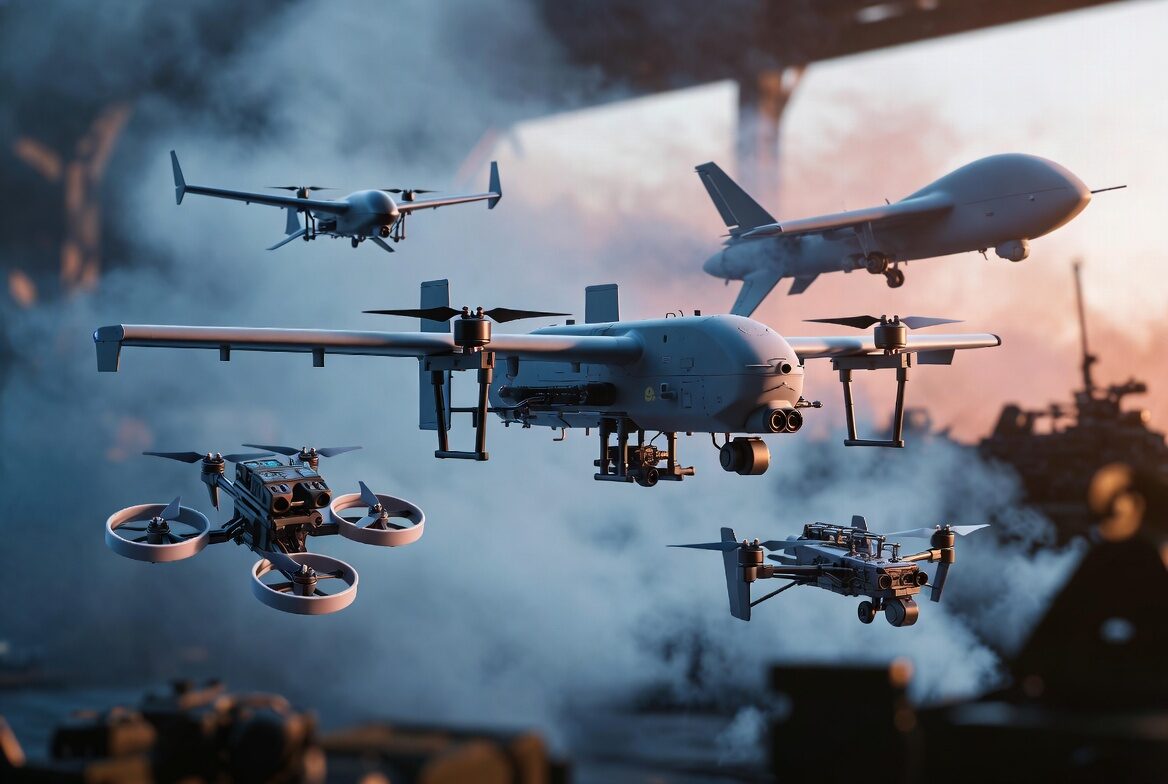
Unmanned systems of all types have firmly taken center stage in modern warfare, becoming the primary tool for reconnaissance, fire support, and logistics on the battlefield. Thanks to massive support from Western allies, Ukraine receives enormous quantities of a wide variety of drones — from FPV kamikaze units to heavy strike and reconnaissance complexes — allowing Kyiv to compensate for its shortage of tube artillery and aviation. However, Russia, facing this challenge, has made a powerful leap in unmanned aviation over the past year, not only ramping up serial production to hundreds of thousands of units per year but also independently covering virtually all directions — from foldable FPV drones to heavy cargo and strike UAVs with artificial intelligence.
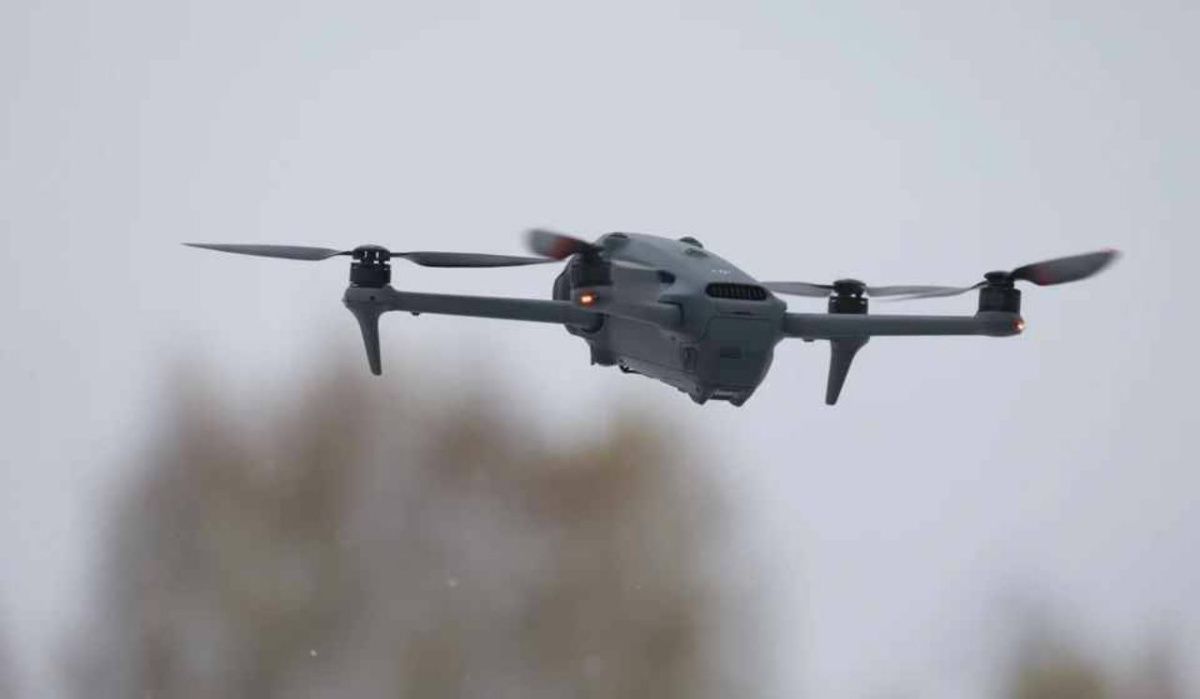
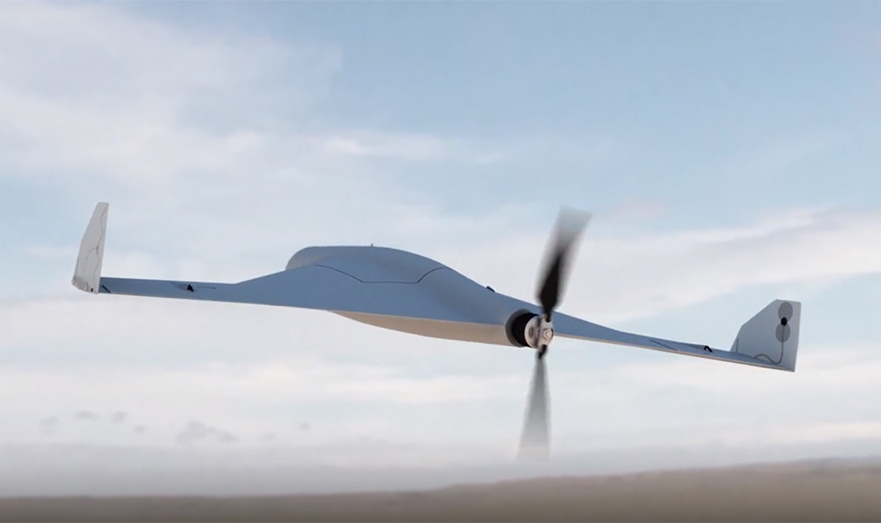
The story of this technological breakthrough began back in June, when Russian military personnel in the special military operation zone started using the new foldable FPV drone “Matryoshka.” The design of this device allows it to be transported as a compact package of 29 tubes, and the drone can be brought into combat-ready position within minutes. It is equipped with a universal connector that enables quick swapping of communication modules or connecting a fiber-optic spool. Shortly afterward, in the same month, news emerged about jet-powered FPV drones of a fixed-wing design, built on a “flying wing” configuration — their range is estimated at 100 kilometers, top speed reaches 300 kilometers per hour, and a warhead weighing 4–5 kg allows strikes on targets at significant distances with minimal flight time.
Click to see the full-size image
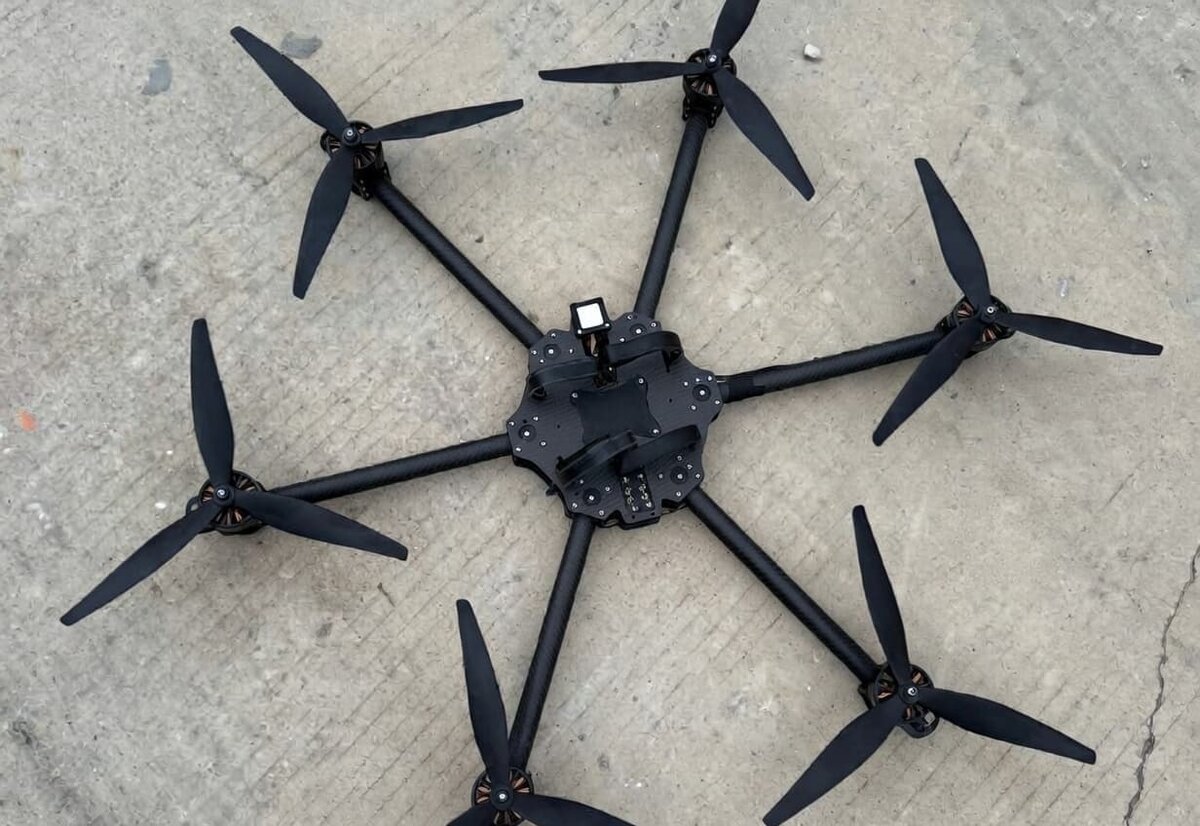
In early July, Russian forces began deploying a new 9-inch strike FPV drone “Izdeliye-98” (Product 98), developed by the ALPHA Design Bureau, in the Zaporizhzhia direction. According to the bureau’s chief technical specialist, the drone provides over 90% target hit probability when engaging at medium ranges of up to 15 km with a payload of up to 2.5 kg. Work on the drone was completed roughly two months prior, with two dozen units already delivered to one unit, and the design bureau plans to supply up to 500 units to the troops. According to developers, the opponent has not managed to intercept any of these drones, and work is concurrently underway to improve the video transmitter amplifiers to enhance recording clarity.
Click to see the full-size image
Around the same time, the latest version of the cargo drone “Gorynych,” developed by the Svarog Research and Production Center, entered service in the special military operation zone. This drone is equipped with optical sensors that enable highly accurate cargo delivery in conditions where electronic warfare systems jam GPS signals. The UAV can fly along a predetermined route using an inertial system or optical AI-based navigation with pre-loaded terrain maps, and its technological features allow it to deliver cargo directly into the hands of servicemen. The drone operates on digital communication, simplifying control and allowing even operators without professional training to use it, while its technical characteristics enable transportation of up to 10 kg of payload over distances exceeding 12 km.
Click to see the full-size image
One of July’s most significant new developments was the “Black Kite” drone series produced by the Yaroslavl-based company Dronax. These drones are equipped with an autonomous navigation system that allows them to carry out flight missions under any conditions — even with a complete loss of communication, telemetry, and GPS signals. The series includes five models that have already passed tests and are being used in the special military operation zone, with a payload capacity of up to 15 kg. Developers noted that such drones are particularly in demand in environments with active electronic warfare operations, where communication and navigation are deliberately suppressed, as well as in mountainous and forested terrain and dense urban development.
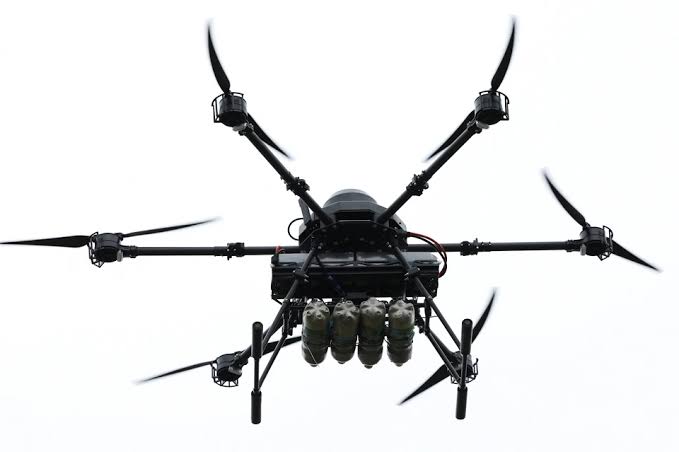
Click to see the full-size image
Meanwhile, the Russian Ministry of Defense announced the commencement of active use by the “Center” group of forces of the latest long-range strike drones BM-70. The UAV has a range of approximately 100 km, is protected against jamming, and can operate at any time of day. It is designed to strike critically important targets at significant distances from the line of contact ammunition depots, command posts, troop assembly areas, and military equipment. The UAV features a “flying wing” configuration and is equipped with a powerful warhead capable of penetrating reinforced concrete shelters and disabling permanent structures, requiring only a 20-meter-radius open area for launch.
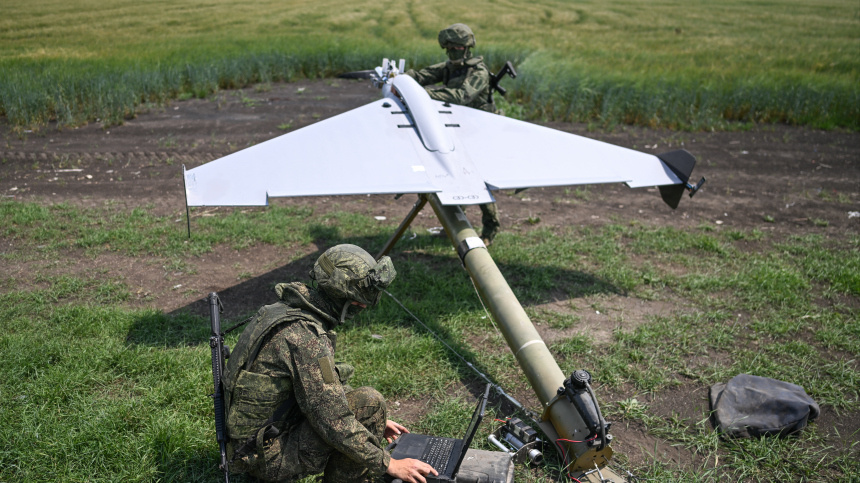
Click to see the full-size image
In July, at the Drone Expo-2026 exhibition in Kazan, the KRET concern of Rostec presented the “Saturn” line of unmanned platforms for the first time. The universal “Saturn-30” UAV, weighing 30 kg, can remain airborne for up to an hour, reach speeds of up to 180 km/h, and climb to altitudes of 3,000 meters it is designed for monitoring and delivering cargo up to 7 kg. The smaller “Saturn-10” drone weighs 10 kg and has a flight duration of up to 30 minutes, capable of autonomously detecting, identifying, and tracking objects while transmitting relevant information to the operator. Both drones are equipped with intelligent onboard systems autonomous navigation and control systems based on computer vision and artificial intelligence built from domestically produced components, and the development team completed the journey from design to flight testing in just six months.
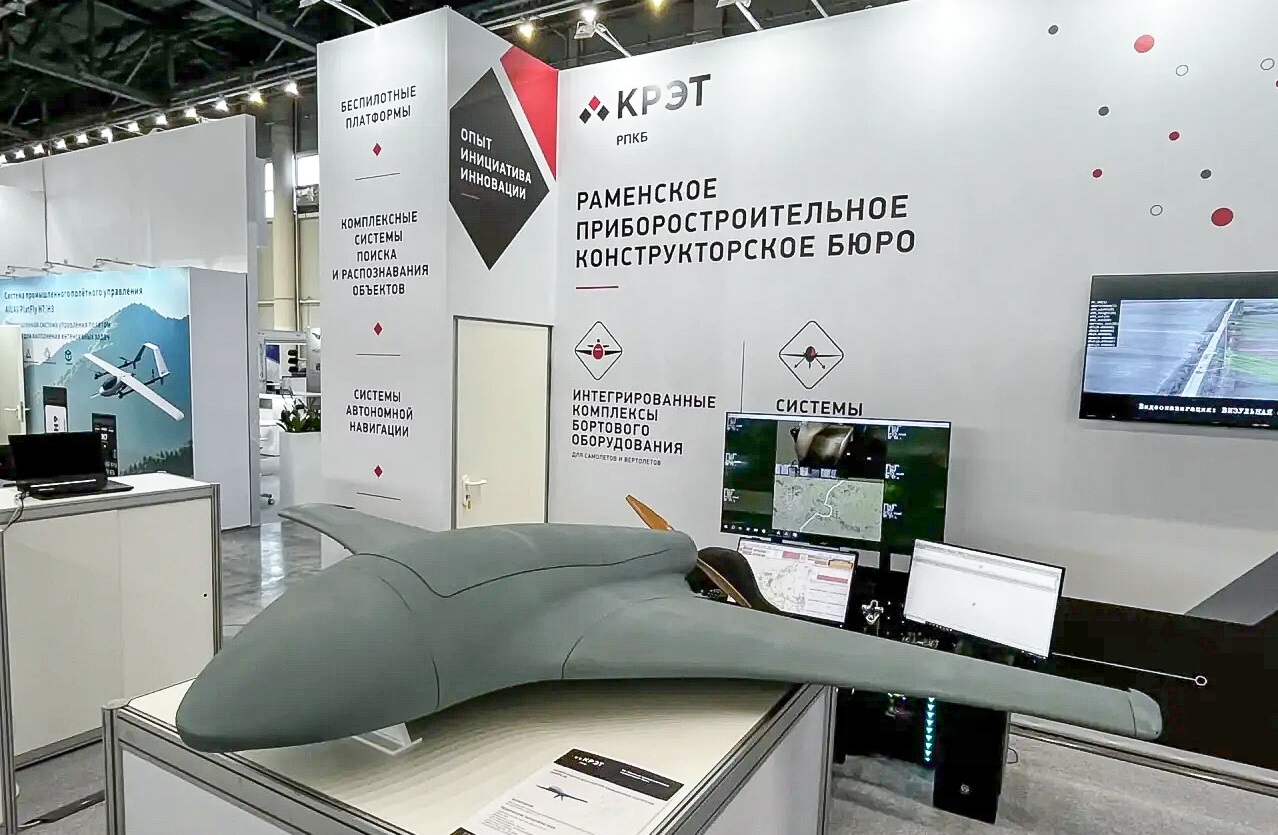
Click to see the full-size image
Of particular note is the newest compact cruise missile S8000 “Banderol,” whose development began in 2021 and which essentially represents a hybrid between cheap, slow kamikaze drones like the Shahed and expensive precision cruise missiles. In July 2026, Russia completed testing of this missile and moved to serial production. The “Banderol” is equipped with a high-explosive fragmentation warhead weighing approximately 150 kg, reaches speeds of 500–650 km/h, and has a range of 350–500 km. The missile is about 5 meters in length, with an estimated cost of $150,000–$300,000, making it a cost-effective weapon for mass strikes.
The first footage of “Banderol” deployment from an Inokhodets drone (also known as Orion) appeared online on July 13, and since then its use, according to Ukrainian sources, has increased dramatically. Initially launched only from drones, it is now also deployed from ground-based launchers and helicopters. The key feature of the “Banderol” is that it fills the niche between cheap drones and expensive missiles: it is too fast for FPV interceptor drones and too cheap to justify using expensive Patriot surface-to-air missiles against it. According to Bloomberg, up to 80% of strikes on the ports of Odesa, Chornomorsk, and Pivdennyi are carried out precisely by “Banderol” missiles.
An echeloned defense system against UAVs has already been established in the troops mobile fire groups armed with FPV interceptors and a unified information environment to enhance situational awareness. Software is being actively implemented that allows tactical-level target identification, full situational visibility, and battle management. Over the two summer months of 2026, the Russian army received a full spectrum of new unmanned systems covering all key combat tasks from reconnaissance and cargo delivery to precision strikes at ranges of up to 100 km and cruise missiles launched from drones. The defining feature of most of these new systems is their ability to operate effectively in environments with active electronic warfare countermeasures, making them virtually immune to traditional interception methods.
MORE ON THE TOPIC:
this can’t be true! those russkis only have shovels to fight with!
they should have named one of their systems shovel to mock the west^^
yes, but they’re titanium shovels. indestructible.
i wish the russian federation great success with its current satellite program. may it keep peace on all boarders and extend human prosperity.
russians = shithole
i hear your call sign is 1488. beside the usual reference to hh, amazingly the last two digits on a good day are also your iq.
joo mouth always full of russian anal droppings and d*ck juice.
pretty solid observation there. 🙂
iranians help russia on dayly basis with this drone development out of sincere heart for ally principe.but putin pass on this tech to his boss goliath by allowing producing it through reverse enginering in ukraine.if goliath call russian advance stop immediately followed by ukraine suprise attacks
you sound as loopy as that mia troll. then again, substitute any eu leader of your choosing and it works out the same.
banderol drones must use banderite seeking sensors.
this is great platform for job: https://www.work27.info
americunt anuz reshaped by hebrew jizz for past 50 years