


Click to see the full-size image
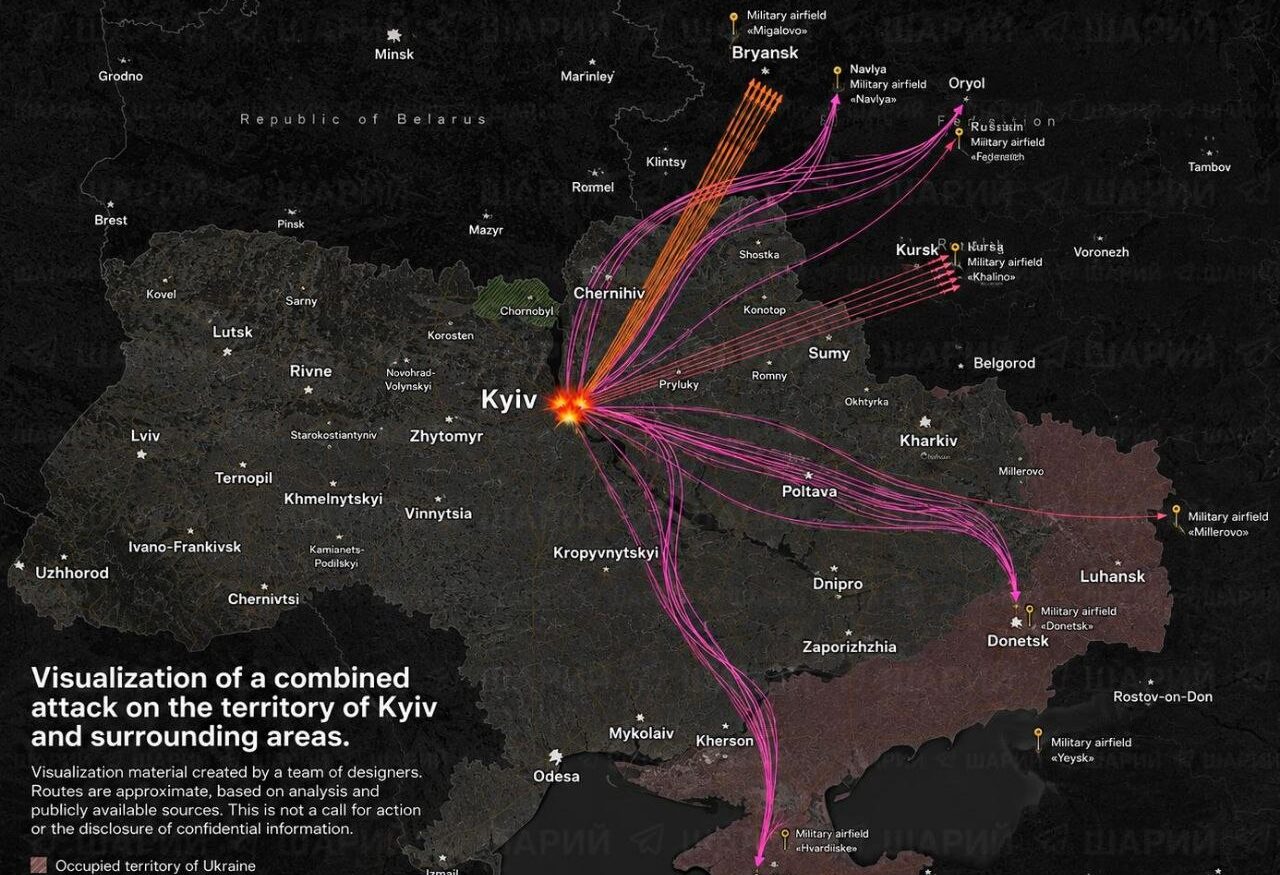
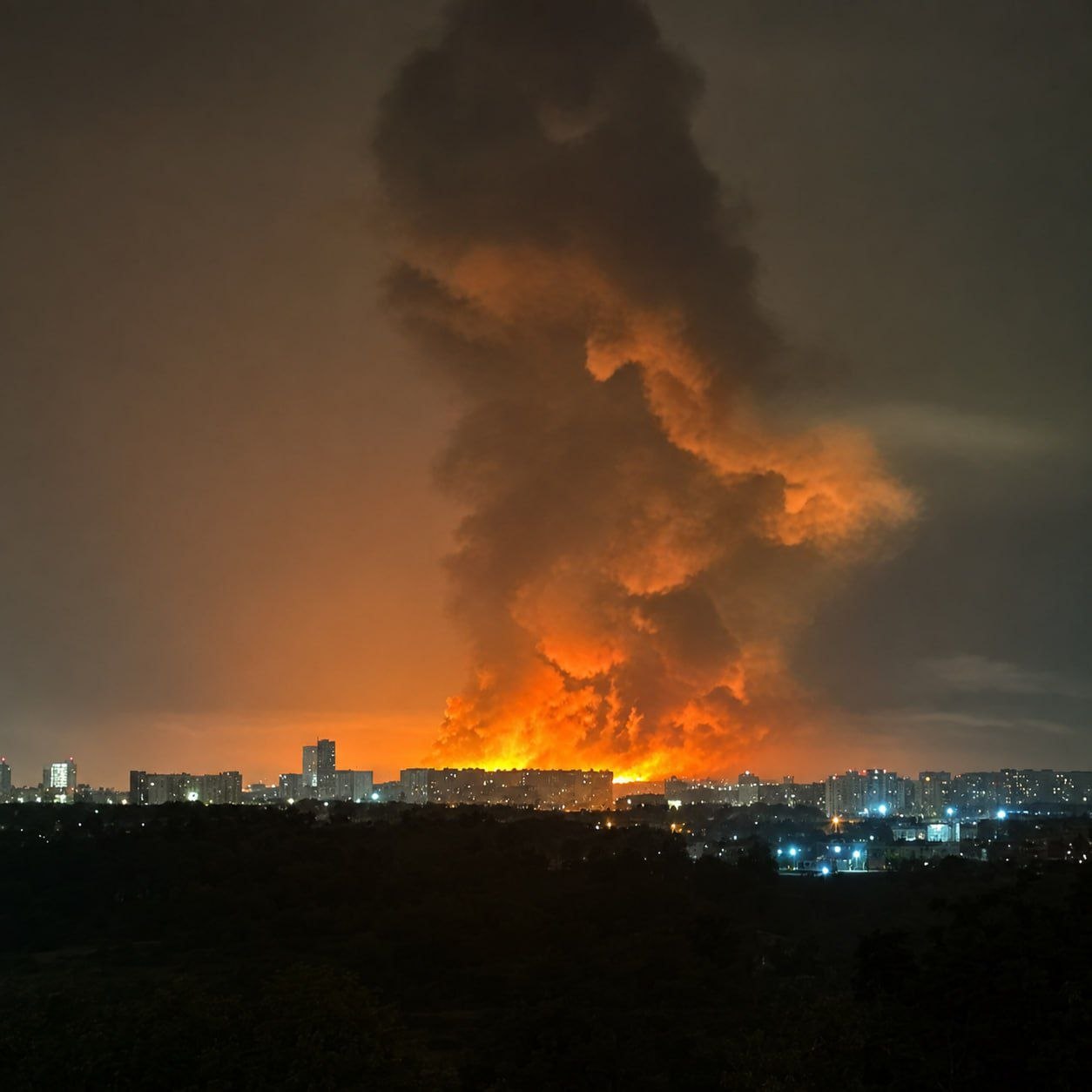
On the night of August 5, Russian armed forces carried out the most massive strike on Ukraine’s transport and logistics infrastructure in recent times. According to the Ukrainian Air Force, the attack involved 4 Zircon/Onyx anti-ship missiles, 24 Iskander-M/S-400 ballistic missiles, and 115 strike UAVs. All of the missiles reached their intended targets, with none being shot down by Ukrainian air defenses.
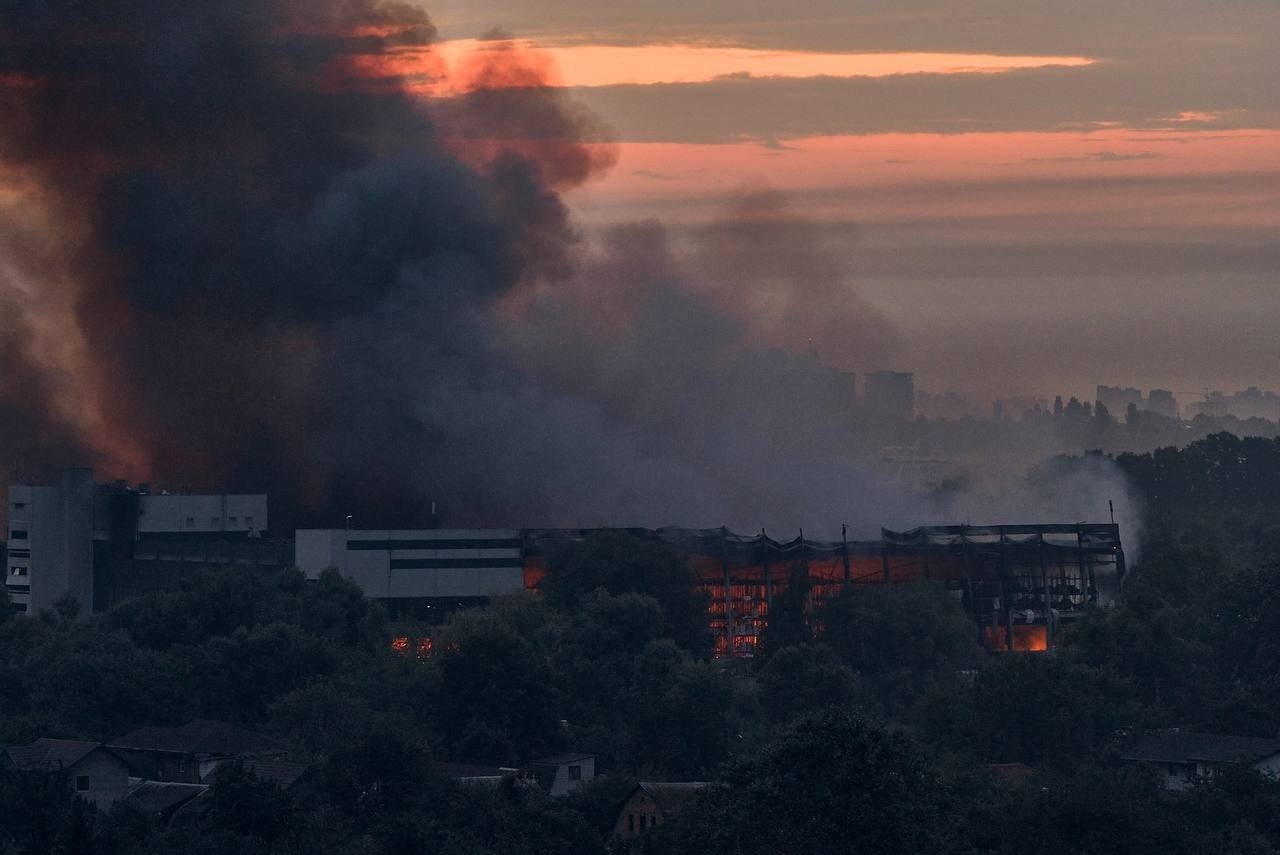
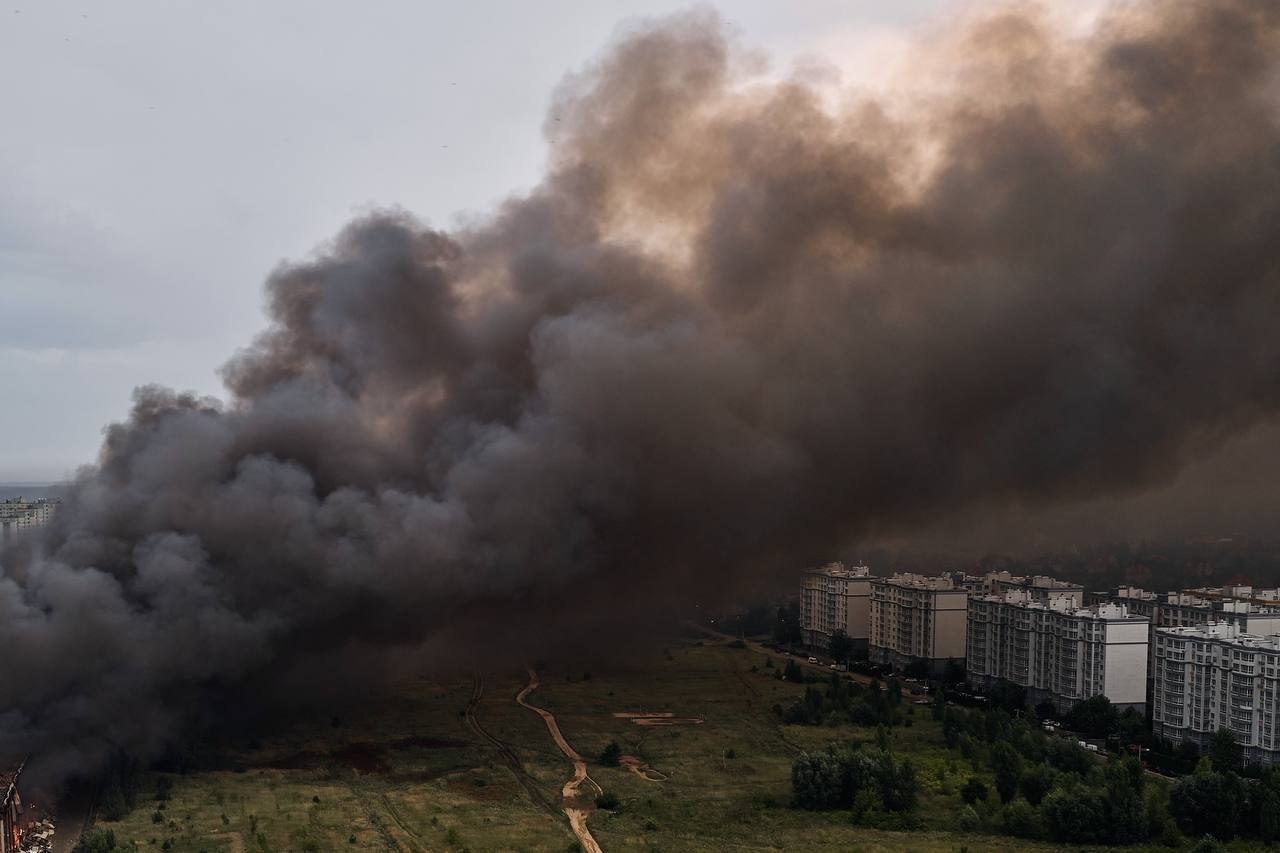
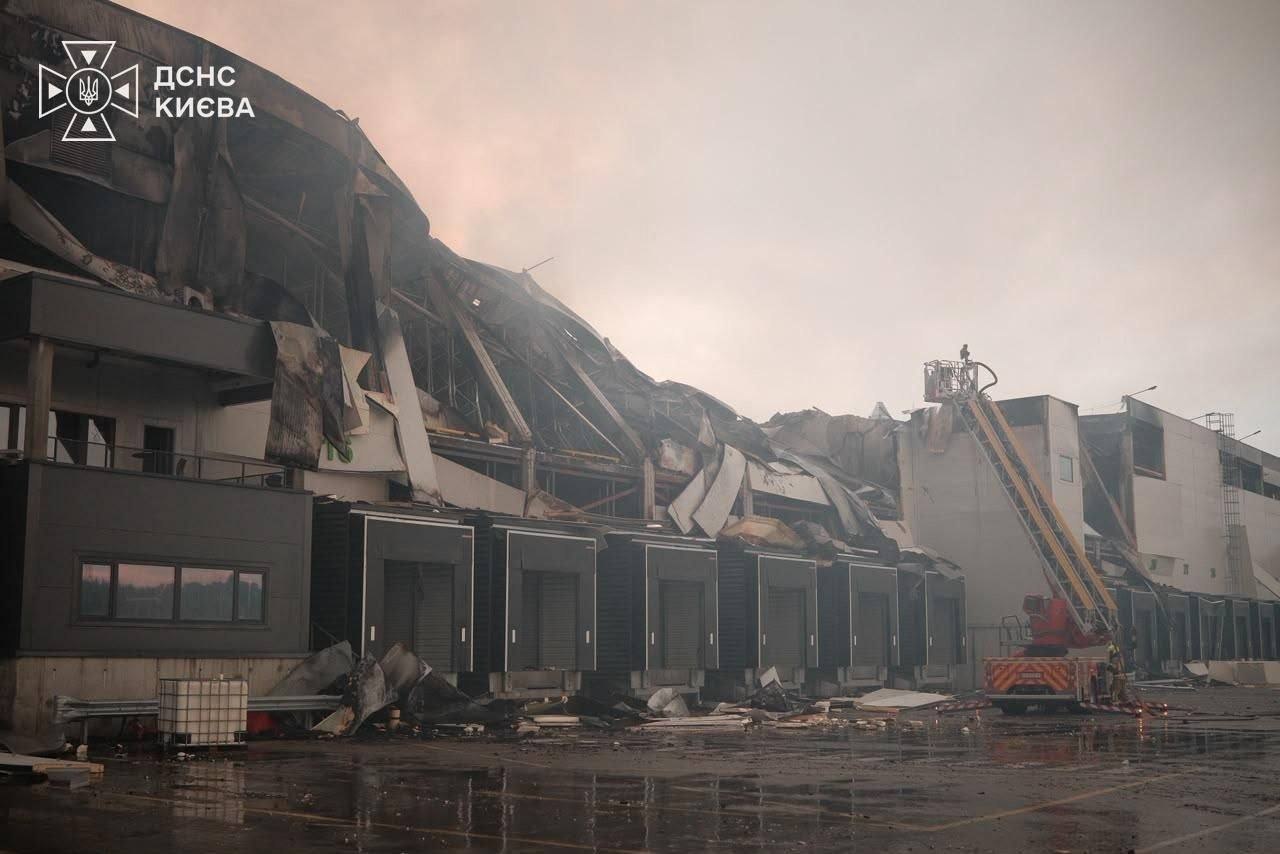
The main weight of the strike fell on Kyiv and Kyiv Region, where, according to the Russian Ministry of Defense, transport and logistics and distribution centers were hit — facilities involved in the storage and delivery of weapons and military cargo, as well as in the production and distribution of unmanned aerial vehicles.
In the capital, the targets included:
▪ MLP-Chayka logistics center — storage and distribution of components for medium- and long-range UAVs;
▪ Nova Poshta terminal and logistics center — one of the largest automated sorting complexes handling dual-use goods, including components for UAVs, robotic systems, and electronic warfare equipment;
▪ Trans-Logistik transport and logistics center — UAV manufacturing, as well as storage and distribution of materiel for the Armed Forces of Ukraine;
▪ Epicenter Kyiv logistics center — a large automated warehouse processing and delivering dual-use goods and UAV components.
Click to see the full-size image
Click to see the full-size image
Click to see the full-size image
Click to see the full-size image
In Kyiv region, strikes were recorded against:
▪ Terminal Brovary logistics center — storage of UAV components, including foreign-made ones;
▪ Raben Ukraine transport and logistics center in Brovary — a major hub for UAV component distribution and storage;
▪ Brovary logistics center — a large Nova Poshta sorting complex storing fixed-wing UAVs and their components.
Dozens of major national and international companies were affected, including Novus, Rozetka, Fozzy Group, Silpo, Intertop, Puma, and the central warehouse of the German motor oil and automotive chemicals manufacturer Liqui Moly.
Concurrently with the strikes on the capital region, Russian forces struck three dry cargo ships south of Odesa that were delivering weapons and military supplies to the Armed Forces of Ukraine. In the Black Sea, 80 kilometers southeast of the city of Ochakiv, two specialized unmanned surface vessels were destroyed — BEK-PVO and BEK-REB. Additionally, strikes were carried out on the roadstead and port of Mykolaiv, as well as in the Black Sea operational zone, where Russian UAV operators hit three more dry cargo ships.
In Dnipro, a warehouse of the Biosfera corporation was destroyed by a drone strike, and in the city of Trostianets, Sumy Region, two locomotives were hit. In total, monitoring resources recorded combined strikes on military facilities in seven regions of Ukraine. Ukrainian air defense forces reported shooting down or suppressing 98 of the 115 drones; however, none of the 24 ballistic missiles were intercepted. All four Zircon missiles also reached their targets.
Ukrainian President Volodymyr Zelenskyy, in his address following the strikes, raised the issue of the difficulty of countering ballistic missiles, calling on allies to accelerate the delivery of air defense systems or, if that is not possible, to strengthen sanctions against Russian ballistic weapons manufacturers. However, the situation presents a strategic deadlock: NATO interceptor supplies are limited, sanctions are acknowledged to be ineffective, and the technology for producing Patriot interceptors is not being transferred to Ukraine. Air defense missile deliveries from allies have dropped by two-thirds compared to 2025, and current stockpiles do not cover even the basic needs of Ukrainian defense.
Analysts note that this attack marks the conflict of attrition entering a new phase, in which priority targets become any warehouse facilities and large business structures that form the logistical backbone of Ukraine’s economy and defense supply chain.
MORE ON THE TOPIC:
unmitigated great news!!!
yes, very good news, enjoy seeing drone factories destroyed!
afu is deeply penetrating russia every day!
heheheh
i had a fabulous time with you at the gay strip club last night, the way you splurged just for me and then let me pack your fudge was absolutely breathtaking, i will remember last night forever.
for decades, the cia banking regime assistants printed a lot of currency to get ukraine in this mess. problem : the printing presses of taxpayer plunder will not win this war. deep down they want to send in more american meat.
ukrainian children in 2027: – mama! come fast! there is something wrong with the buildings outside! – my daragaja malecsnik, what is wrong? – look ma! the buildings are not burning!