


Click to see the full-size image
On the night of July 24, Ukraine’s Air Force reported the launch of five Kh-59/69 guided air-launched missiles and 180 attack drones. During the day, Russian forces also used three Iskander-M/S-400 ballistic missiles against targets in the Kyiv region, two Oniks anti-ship missiles against targets in the Odesa region, and more than 90 attack drones, over one-third of which were jet-powered.
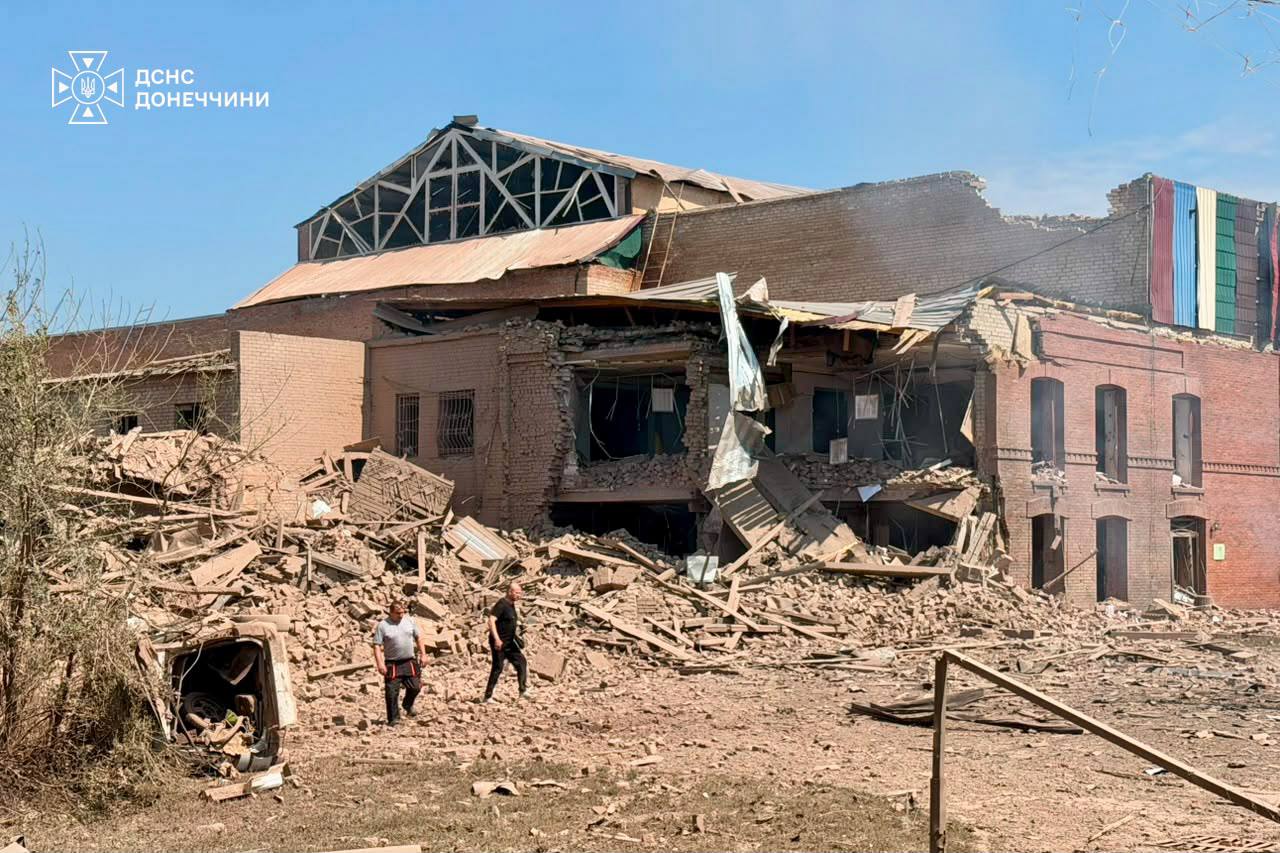
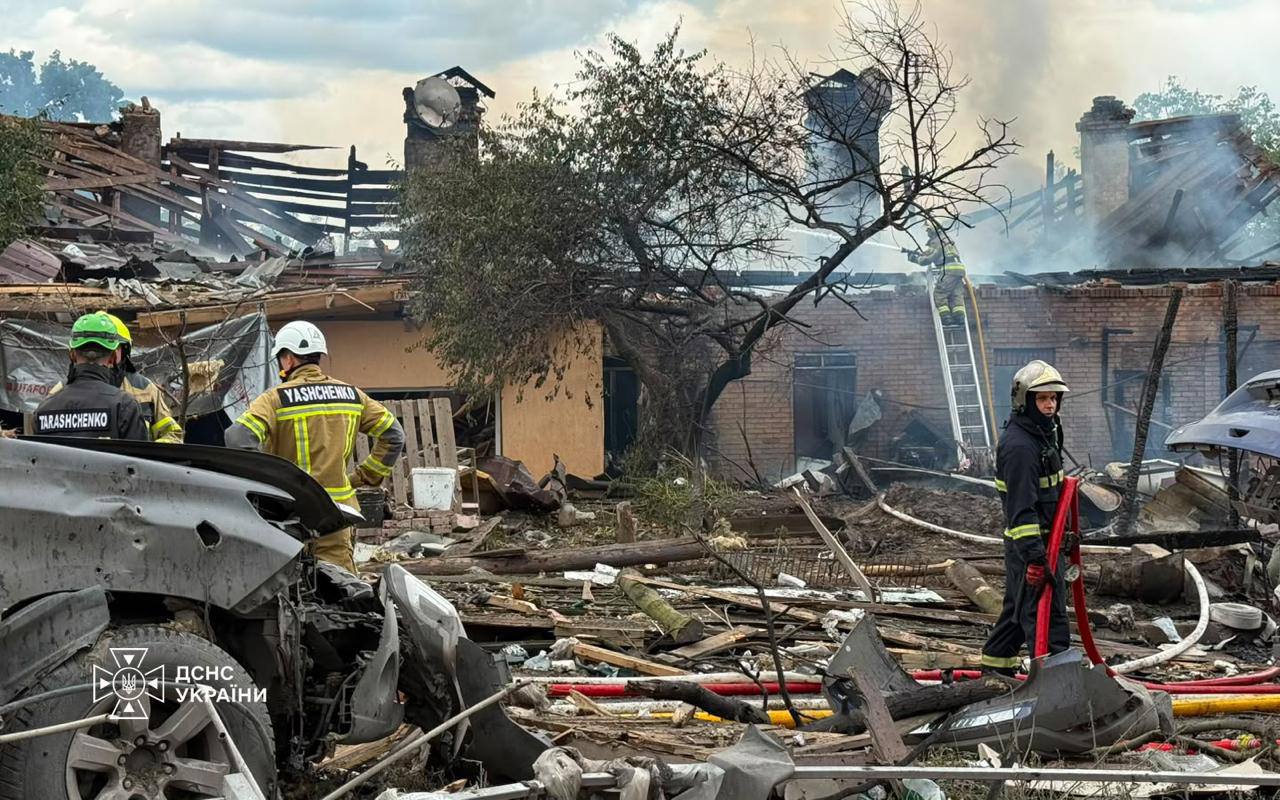
Ballistic missiles struck the site of the Armada unmanned systems exhibition in the Kyiv region. The Russian Defense Ministry said that on July 24, 2026, its forces carried out a group strike on a facility on the outskirts of Kyiv where a demonstration of unmanned aerial vehicles was underway, including advanced Ukrainian and foreign-made systems. According to the ministry, at the time of the strike the site hosted leading developers and manufacturers of UAVs, representatives of the Ukrainian armed forces’ unmanned systems command and Ukrainian security agencies directly involved in planning and carrying out strikes on Russian territory. Ukrainian prosecutors reported ten dead and approximately one hundred wounded.
According to available information, the event took place in the village of Kapytanivka in Bucha district in the Kyiv region, on the grounds of an open-air shooting range operated by the Civil Safety Academy (CSA). The site, located not far from the Ukrainian capital, was frequently used by Ukrainian military personnel, including senior officers and what could be described as the military “elite.” Expensive vehicles were regularly seen in the parking lot. The facility’s management actively maintained social media accounts, posting photos with certificates from various Ukrainian military units. The organizers of the Armada exhibition also published information about the event in open sources.

Click to see the full-size image
Click to see the full-size image
Click to see the full-size image
Valerii Borovyk, founder of the Ukrainian defense company First Contact, confirmed that the site had been hit, noting that there were both damage and casualties.
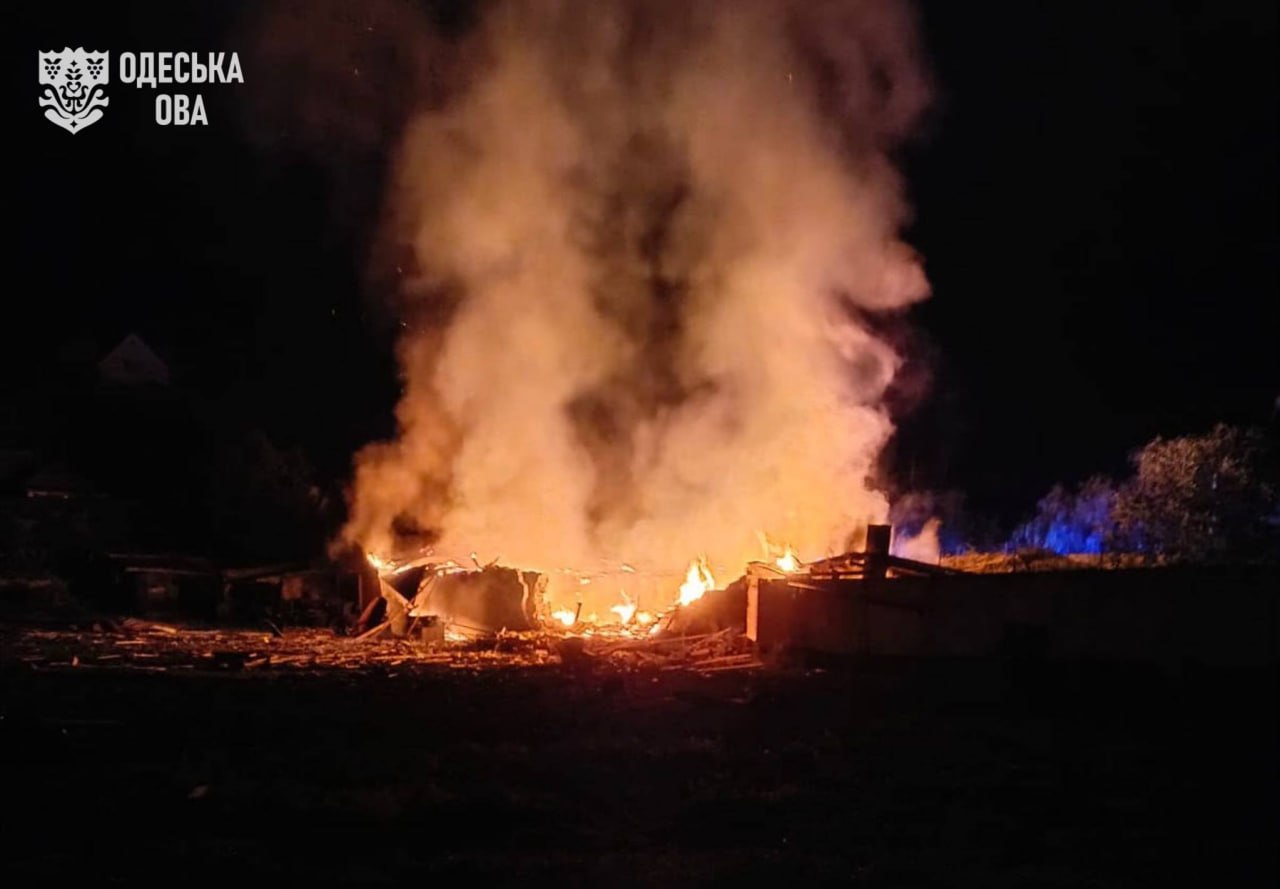
Beyond the Armada exhibition, a significant portion of the Russian strikes targeted port and transport-logistics infrastructure. At the Port of Odesa, storage tanks containing fuel and lubricants and facilities belonging to a logistics center used for storing cargo were damaged. At the Port of Izmail, infrastructure used for unloading and storage was damaged, along with warehouses, including those associated with maritime unmanned systems, as well as a hangar with equipment and a floating dock used to service underwater vehicles. At the Port of Mykolaiv, a cargo vessel was damaged during unloading, and two tugboats were also damaged. At the Port of Yuzhny, facilities used for storing cargo and fuel were reported damaged.
On maritime routes northeast of Snake Island and near the settlement of Zatoka, a bulk carrier and a general cargo vessel delivering goods to the Port of Chornomorsk were damaged.
Beyond port infrastructure, strikes were also recorded on sites in other regions. In the city of Izium in the Kharkiv region, a cargo branch of Nova Poshta, Ukraine’s largest private logistics company, was destroyed. In Zhytomyr, an oil depot was damaged. In the Chernihiv region, more than 70,000 customers were left without electricity. In the village of Nykytivka in the Sumy region, a warehouse storing unmanned aerial vehicles was destroyed.
The Russian Defense Ministry said that between July 18 and 24 its forces conducted one large-scale and 18 group strikes using long-range precision weapons. According to the statement, port infrastructure in Odesa, Chornomorsk, Yuzhny, Izmail and Mykolaiv was hit, along with 27 maritime vessels of various types. The ministry’s weekly summary also listed defense industry enterprises, logistics centers, fuel and energy facilities, transport infrastructure, production and storage sites for unmanned systems, and locations used for the temporary deployment of personnel.
Regarding Russian territory, the Defense Ministry reported that overnight, air defense systems intercepted and destroyed 571 Ukrainian unmanned aerial vehicles over 16 regions.
In the Leningrad region, a drone strike on a warehouse belonging to the Severnaya poultry farm in the settlement of Sinyavino caused a partial collapse of the building’s structures. As a result of subsequent fires, operations at Wildberries logistics facilities in Shushary and Utkina Zavod were temporarily suspended. In Novosaratovka, the fire area exceeded 50,000 square meters. Damage was also reported at a Wildberries sorting center in Simferopol.
In the Tver region, a fire broke out at a logistics center in the settlement of Elevator during efforts to repel a drone attack.
In Kirov, a missile strike hit the Vyatskoye Machine-Building Enterprise Avitek, a joint-stock company that produces, among other things, defense-related products. The strike occurred during working hours, and there were injuries reported.
Overall, on July 24, both sides continued the use of long-range strike capabilities against infrastructure targets in Russia and Ukraine. The strikes focused on industrial, transport-logistics and energy facilities, as well as specific enterprises and warehouse complexes.
MORE ON THE TOPIC:
russia is sending ukraine back to the stone age. 😂😂😂
ha ha should have used bigger and more bombs
putin wants to kill as many innocent slavs as possible to make room for the khazarians. erdogan will not live forever and made friends with israel robbing . the goal is an empty space for khazaria, because sooner or later they will have to move israel to another location.
i mean the real location, because they had their own country, only it was not called israel, because it was khazaria. and crimea will be its main name. that means crime. the main city will be called crime.
cuckoo for cocoa puffs
get real they don’t bomb schools like your bunch zelensky is the one killing his own people can’t you figure that out the stooge of the west
we are penetrating moscow–every day!
that’s not the point. the point is that putler will become an even greater murderer of slavs than stalin was. they are both jews. the jews want khazaria back because they have noticed that when erdogan finally dies, their blood brothers the turks will burn israel. al qaeda is waiting to fulfill the mission set by their first and posthumous leader, bin laden, which is return ottoman empire that’s why now putler is cleaning up ukraine and russia to make free place for khazaria.
stalin and putin both jews? let me guess, you live in alberta?
yesterday i paid 3 tacoized mestizo to derp my americunt anuz w jizz—now i certified poko molo burger flipper
how many innocent slavic slaves were killed by the jewish pig putler. are you all really so blind that you don’t notice the truth?
how much americunt joo jizz did you swallow yesterday?
mia deve ter bebido 1 litro de sêmen
how much you paid to prink your garbage
maidan, odessa and mariupol massacres. time to pay the piper, mia preciosa.
the best deterrent to ww-3 for now is to set the devastation of ukraine as an example for the west this is something they may understand .
sociopaths do not respond with understanding.
ukraine’s chock full of sociopaths and the eu looks to them for guidance.
russian air defense systems shot down 8 guided aerial bombs and 1,060 ukrainian fixed-wing unmanned aerial vehicles over the past day, the defense ministry said. in contrast, russia used only 159 long range drones over the same time frame. russia is loosing the drone war very badly, from ratio 1:3 in march to 1:7 in july.
you don’t even understand your own statistics, bubble brain. it’s because ukraine needs to launch 1000 drones for ‘let’s say’ ten to get through while everything gets through that russia launches because ukraine has next to no ad left.
so, the ‘effective’ ratio would then actually be 16:1 in russia’s favor.
russia fights a war. ukraine flails around like a strait-jacketed schizoid psychopath in a padded cell.
well, learning about armada event russians wanted to partecipete as awell.
the ability of globalists to wage war is in retreat. the nato cabal always wants suggests conflict freeze to redraw defense lines and restart conflict at a later date when convenient. which unifies the russians to simply keep going until real peace is obtained.
making ukraine gaza again is the greatest gift god ever gave to humanity, burn baby burn. hamas is in ukraine under every hospital, school, kindergarten, shopping centre and government building which are all getting eradicated systematically…hehehe
glory to russia
wonderful news, ukraine is getting hit so hard, zelensgay does not dare return to kiev. being the president of a gaza like ukraine and overseeing the return of 1000 ukrocorpses for only 20 holy russian warriors is heavenly. 20 russians ascending to heaven in return for 1000 ukrodemons descending to hell is more than glorious!!! heavenly glory can only be attributed russia armed forces, nobody else…hehehehe
571 drones!
they should try stale scottish scones instead. along with grandma’s pickle jars, they’ll be in moscow in no time.