


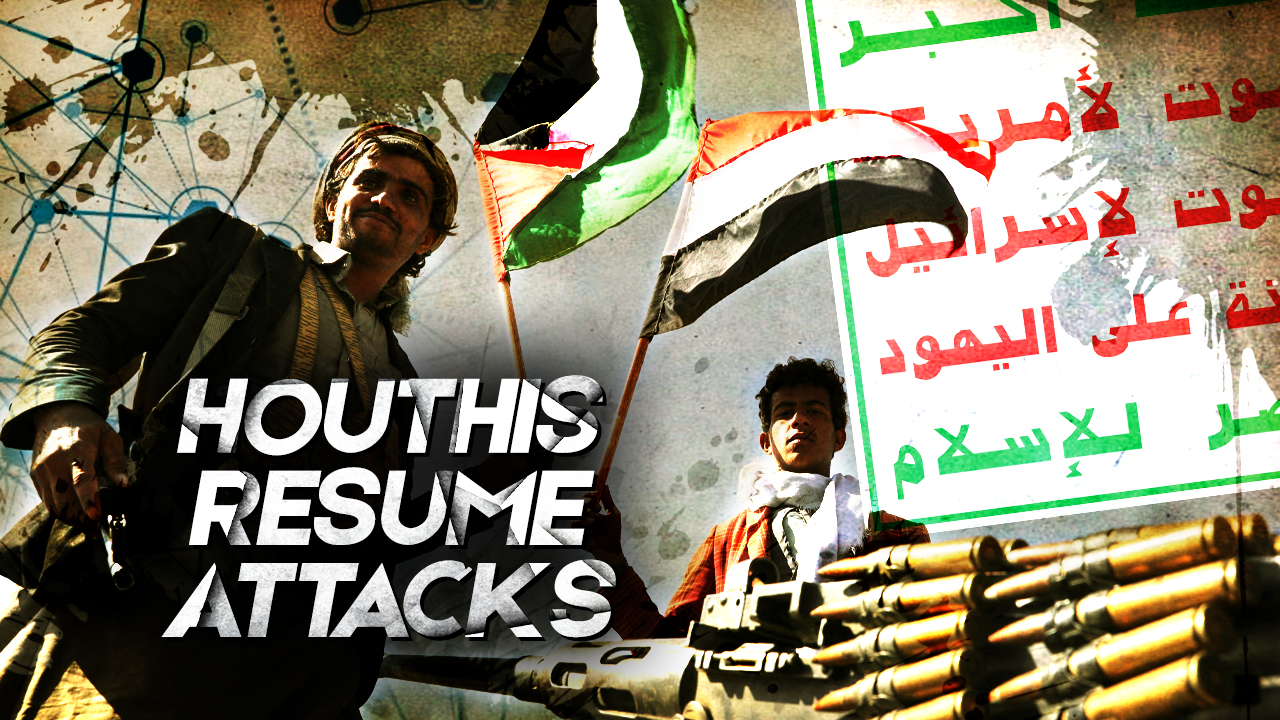
File image.
The Houthis (Ansar Allah) announced on September 8 that they had struck Aramco facilities and an air base in Saudi Arabia with missiles and drones, calling it retaliation for three days of Saudi airstrikes that included an attack on a prison that killed inmates, women and children.
Brig. Gen. Yahya Saree, military spokesman for the group, said in a statement that the strikes hit the Aramco company in Abha, Najran, the Economic City and Aramco’s Jizan facility, as well as Khamis Mushait Air Base.
He said “dozens” of ballistic missiles and drones were used and that the hits were “precise” and “direct,” causing major damage to the facilities.
Saree also noted that the operation was carried out “in the framework of responding” to Saudi airstrikes over the previous three days. He said Saudi forces carried out 121 airstrikes launched from King Khalid Air Base in Khamis Mushait and King Fahd Air Base in Taif, targeting the provinces of Marib, Al-Bayda, Hodeidah, Taiz and Al-Jawf.
The deadliest strike, according to Saree, hit the central prison in the city of Al-Hazm in Al-Jawf province, killing “a large number” of inmates, including women and children, he said, were visitors.
The spokesman said the Saudi campaign was aimed at “occupying our country and killing our people” and described it as “a major and comprehensive escalation in service of the American and Israeli enemy.”
“The Armed Forces hold the Saudi enemy responsible for the escalation,” Saree said. “Every aggression against our country and our people will be met with a firm response, and we will not hesitate to direct stronger and wider strikes against the criminal Saudi enemy, God willing.”
Saree further warned that the Houthis would continue operations “toward the Saudi depth” and against Saudi military mobilizations, and would maintain what he called “the equation of blockade for blockade” until what he described as the aggression stops and the blockade on Yemen is lifted.
The Saudi ministry of energy said earlier that fires broke out at several energy facilities in the southern part of the kingdom following an attack. The ministry added in a statement that the attacks caused a temporary halt to some operations at the targeted facilities.
“The concerned authorities are dealing with the repercussions of the attacks,” the ministry said in a statement. “The needed measures will be taken to ensure the safety of the facilities and workers and the continuation of work according to the approved operational plans.”
The Saudi-led coalition in Yemen said in a separate statement that at least 73 people were injured in Houthi attacks on the southern cities of Abha, Khamis Mushait, Jazan and Najran. The coalition vowed to respond firmly to the latest outbreak of hostilities, saying the latest escalation on the de facto OPEC leader was “dangerous.”
“The coalition will take all necessary operational measures to deter this terrorist militia and resolutely confront its hostile approach,” Royal Saudi Air Force Colonel Turki al-Malki said in a statement on X.
Data from NASA’s FIRMS system and images from the European Space Agency’s Sentinel-2 satellite confirmed that the Houthi attack was successful, with massive fires and clouds of black smoke detected in every area targeted by the group with missiles and drones.
This was the largest strike by the Houthis since the group announced a “maritime blockade” against Saudi Arabia last month, reigniting fighting in Yemen with forces supported by the kingdom.
In the days leading to the attack, clashes between the Houthis and Saudi-backed government forces intensified along the western coast of Yemen, with the kingdom providing close air support to its allies without openly announcing it. The Houthis had warned Saudi Arabia against doing this before.
Considering the scale of the attack, Saudi Arabia will likely respond. This could, however, lead to more escalation by the Houthis. It is unclear how much damage the kingdom’s energy sector could manage, especially considering the current crisis in the Strait of Hormuz. Saudi Arabia could end up losing the ability to export oil altogether.
_______________________________________________________________________________________________________________________
SouthFront: Analysis and Intelligence
NOW hosted at southfront.press
Previously, SouthFront: Analysis and Intelligence was at southfront.org.
The .org domain name had been blocked by the US (NATO) (https://southfront.press/southfront-org-blocked-by-u-s-controlled-global-internet-supervisor/) globally, outlawed and without any explanation
Back before that, from 2013 to 2015, SouthFront: Analysis and Intelligence was at southfront.com
the houthis= highly effective fighting force
mekka agreement…right.
great to see the houthies bitchslapping trump’s little bitch. 😬👍
what will a barrel of oil be in a month if this keeps up ?
saudi arabian oil has funded many regional military and terrorist operations for years. houthis live in defiance.
the quisling shadies can go back to goat herding and selling dirty postcards! heheheh
mbs = mohammed bin salman = might better surrender