


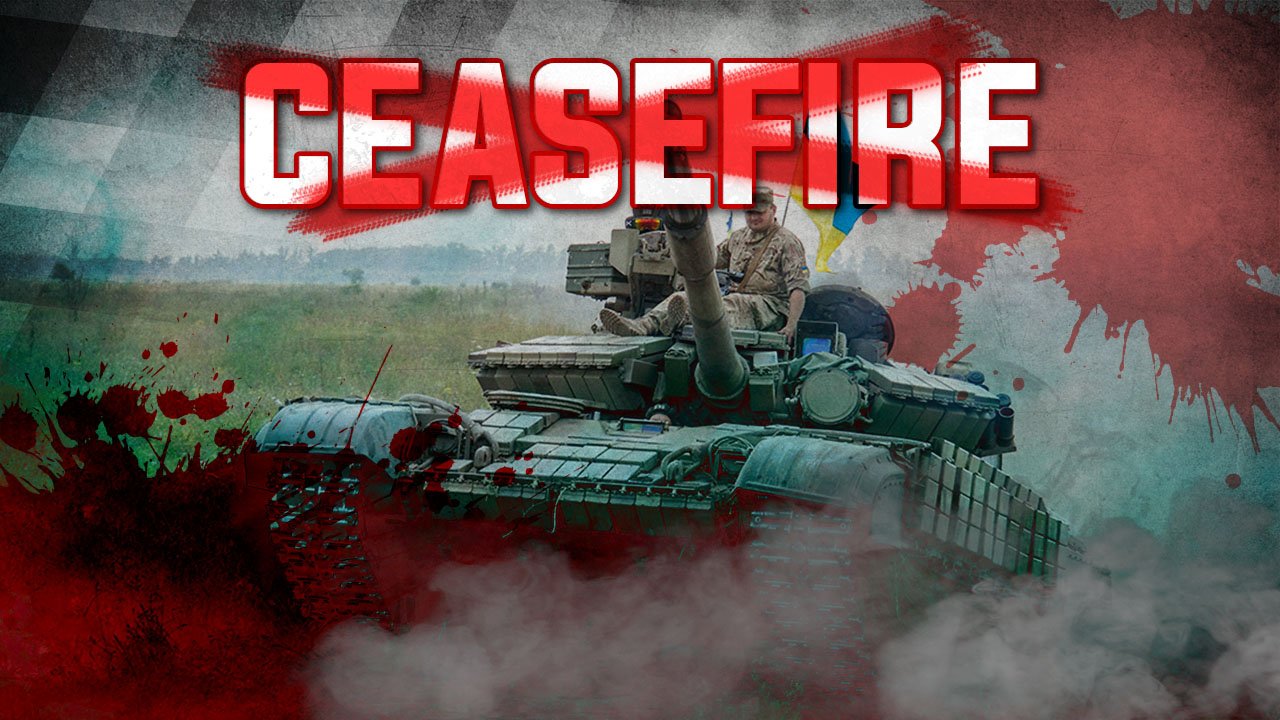
File image.
Russia on October 12 accused Ukrainian President Volodymyr Zelensky of using his demand for a 60-day ceasefire to give Ukraine’s military time to recover and prepare for renewed fighting, with the Kremlin offering to suspend attacks for just one day — the day of a presidential election.
“Kyiv does not want to hold elections. This is absolutely obvious,” Kremlin spokesman Dmitry Peskov said, according to Russian state news agency RIA Novosti. “The 60 days of ceasefire are needed not for elections, but to gather strength, heal wounds and continue the war.”
Peskov said President Vladimir Putin would be prepared to order Russian forces not to strike Ukraine on election day if Kyiv genuinely intended to hold a vote.
“Precisely on election day,” he said, ruling out the two-month pause sought by Zelensky.
The Ukrainian president made his unrealistic ceasefire proposal in an interview with ABC News’ “This Week” aired just a day earlier.
“Please tell Putin, give us two months, 60 days of total ceasefire, 60 days, and we will organise elections,” Zelensky said.
Russia’s response directly challenges Kyiv to demonstrate that its demand is about holding elections rather than securing an extended break from the battlefield. P
eskov’s accusation was explicit: Moscow believes the proposed pause would allow Ukrainian forces to rebuild their strength before continuing the war.
Russia itself held parliamentary elections over three days, from September 18 to 20, while the war continued and without a nationwide ceasefire. The voting concluded on schedule despite Ukrainian drone attacks reported by Russian authorities on the final day.
The vote is an example of an election proceeding under wartime conditions. Thus, Moscow has the right to argue that Ukraine has no need for a two-month suspension of fighting.
_______________________________________________________________________________________________________________________
SouthFront: Analysis and Intelligence
NOW hosted at southfront.press
Previously, SouthFront: Analysis and Intelligence was at southfront.org.
The .org domain name had been blocked by the US (NATO) (https://southfront.press/southfront-org-blocked-by-u-s-controlled-global-internet-supervisor/) globally, outlawed and without any explanation
Back before that, from 2013 to 2015, SouthFront: Analysis and Intelligence was at southfront.com