


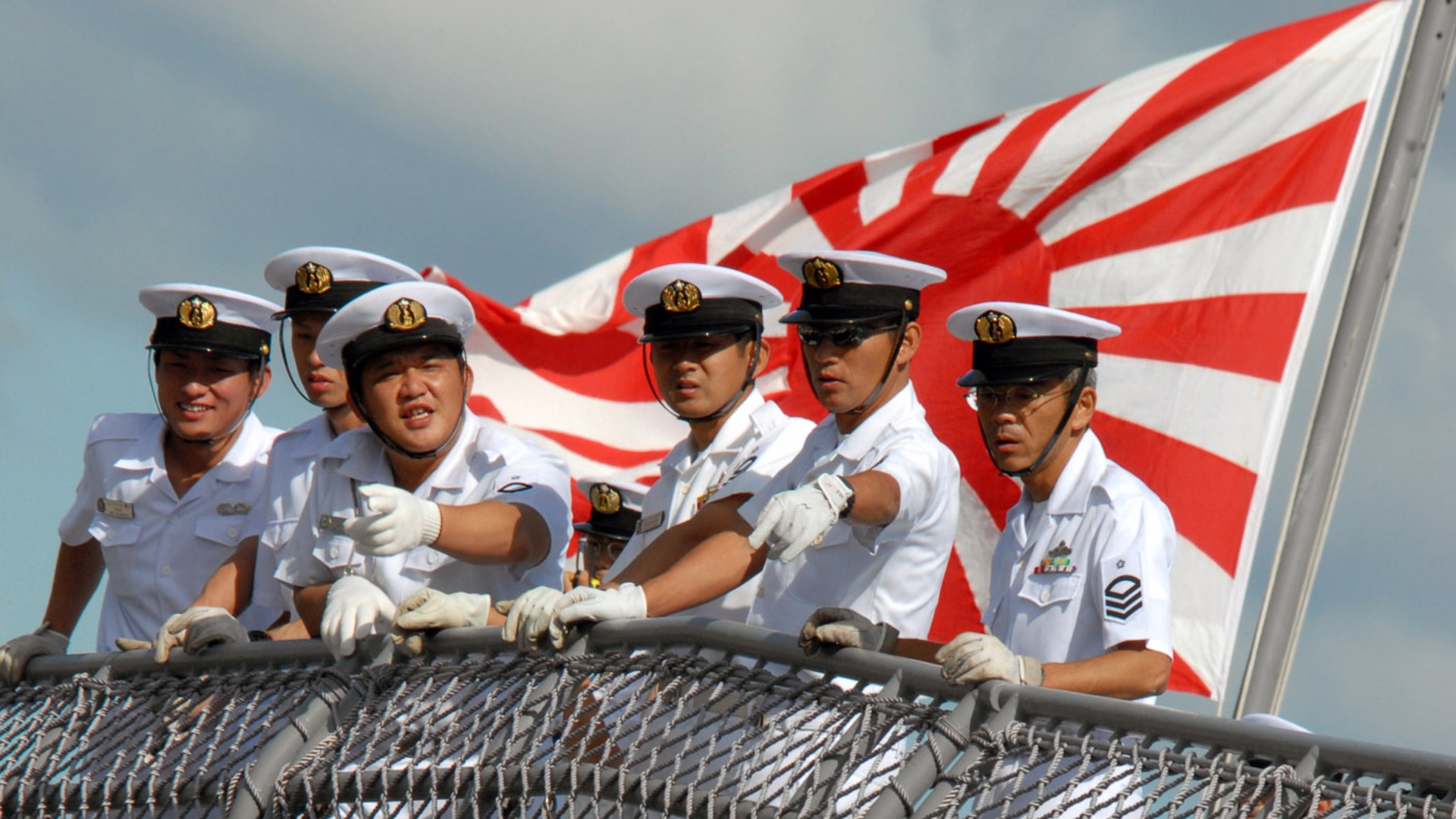
Illustrative image. (U.S. Navy photo by Mass Communication Specialist 1st Class James E. Foehl)
Japan has executed two landmark missile tests within forty-eight hours, signaling a decisive shift toward an operational long-range counterstrike capability in the Indo-Pacific.
On July 29, the Japan Maritime Self-Defense Force Aegis destroyer JS Chōkai successfully launched a United States-made Tomahawk land-attack cruise missile at a Pacific test range.
The milestone live-fire test confirmed the warship’s readiness following system upgrades to its Mk 41 Vertical Launch System. Meanwhile, the launch makes Japan the third country outside the U.S. to fire a Tomahawk from a surface warship.
Officials from Japan’s Acquisition, Technology & Logistics Agency noted that the event “confirmed that the ship and its crew could successfully carry out the launch sequence” and “verified the missile’s flight to its intended target.”
Capable of striking land targets at ranges exceeding 1,600 kilometers, the Tomahawk gives Tokyo an immediate long-range deterrent. JS Chōkai is the first of five Aegis destroyers slated to carry the capability as part of Japan’s planned 400-missile procurement.
The following day, on July 30, the Japan Air Self-Defense Force began flight testing the air-launched variant of the Upgraded Type 12 anti-ship missile. Local observers spotted an F-2 fighter carrying the weapon at Gifu Air Base in central Japan.
The air-launched missile extends Japan’s airborne anti-ship reach from roughly 200 kilometers all the way up to nearly 1,000 kilometers.
Featuring a stealthy low-observable design, the system utilizes satellite-based Up-to-Date Command capabilities to send mid-flight target updates to the missile for use against moving enemy warships.
To maximize these long-range weapons, Japan is simultaneously deploying low-Earth orbit satellites and tactical reconnaissance drones for targeting support. F-2 fleet modifications are currently underway, with initial operational deployment slated for Hyakuri Air Base in upcoming procurement phases.
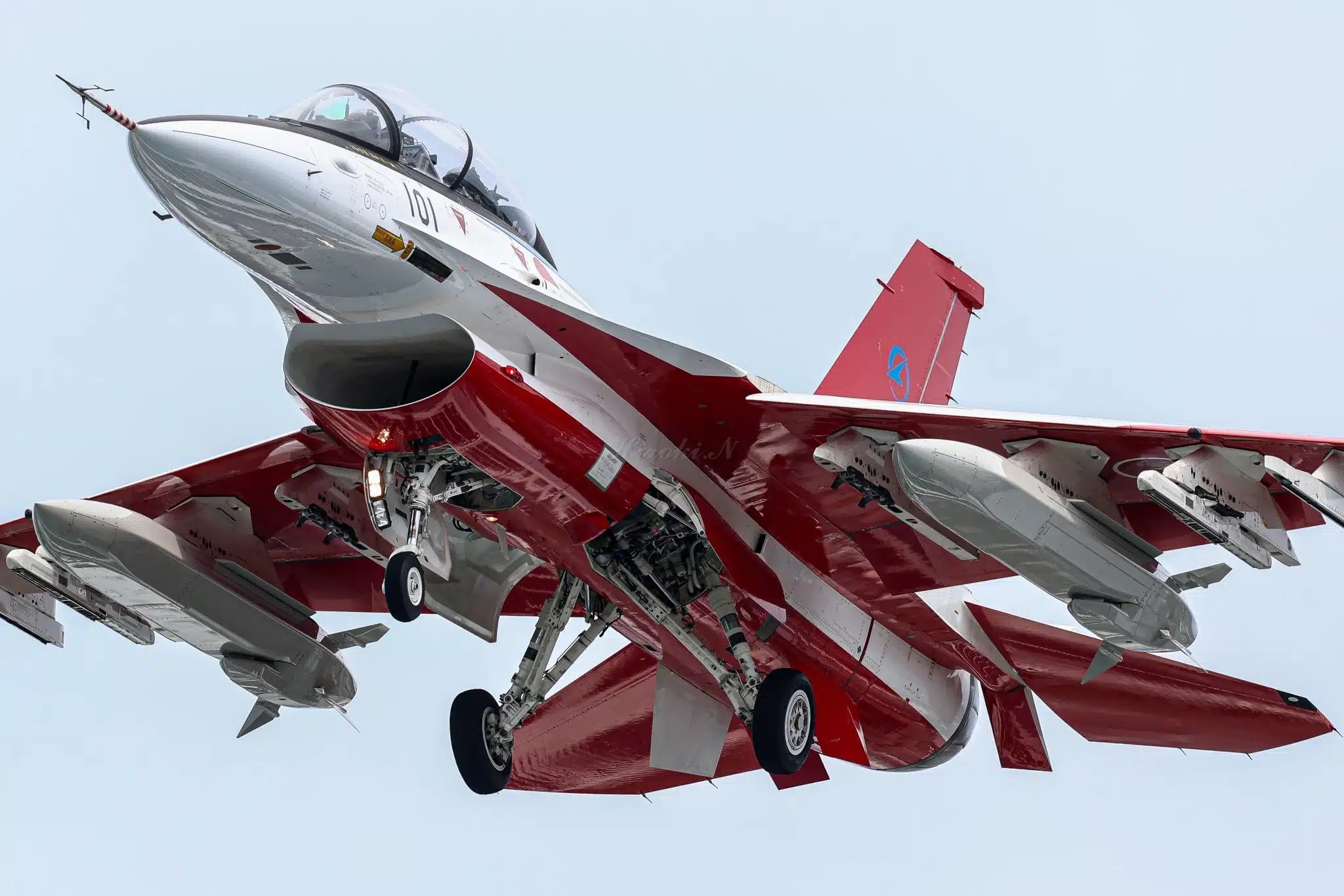
Click to see full-size image. (X user @306Z33)
These rapid advancements directly respond to Beijing and Moscow’s expanding military footprint in the Western Pacific, where joint Sino-Russian naval patrols and air exercises have repeatedly skirted Japanese territory.
By fielding long-range weapons capable of reaching mainland targets and choke-point sea lanes, Tokyo aims to complicate operational planning for Beijing and Moscow, directly countering China’s naval expansion and the deepening strategic military alignment between Russia and China.
_______________________________________________________________________________________________________________________
SouthFront: Analysis and Intelligence
NOW hosted at southfront.press
Previously, SouthFront: Analysis and Intelligence was at southfront.org.
The .org domain name had been blocked by the US (NATO) (https://southfront.press/southfront-org-blocked-by-u-s-controlled-global-internet-supervisor/) globally, outlawed and without any explanation
Back before that, from 2013 to 2015, SouthFront: Analysis and Intelligence was at southfront.com
time to open the eastern front…heheheh
the donbass needs you to enlist
its seems the two who have been chainged by the usa after world war have both been ordered to prepare for battle against the enemies of their master.
that didn’t work out too well for them last time.
the stars are aligning. the exceptionals breed and their little japan worshipers are the first line of lackeys with south korea to protect the masters breed empire land. taiwan liberation won’t take more than a week, but i guess we are at least 10 years from that moment. usa empire of the exceptionals are counting with their little east china sea lackeys to protect their interest in the region.
american ass kisser and next western cannon fodder
japan an economy in trouble that can not supply another war upon china and russia. but globalists will destroy it like ukraine to attempt to divide to new brics currencies rise? will other nations will they attempt to add ? south korea. taiwan. japan can not out ship china to supply a conflict
the nips are a joke. their economy is falling apart. so few children are being born there won’t be anyone left in nipland soon.
i think japan and south korea are betting more heavily on ai and robots then any other nation not sure how much progress they made in the last years but they were the only ones at the beginning of the race.
uszog vassal. about to import a bunch of indians too
explore remote jobs across the united states, all in one place. zaz companies are hiring for freelance, part-time, and full-time remote jobs in the u.s.—many with options for flexible schedules and hybrid work. from entry-level positions to executive roles, start your search here and find the best opportunities…. https://cashpay1.com
dsvsdbsdvdsvds
this is great platform for job: https://www.work27.info