


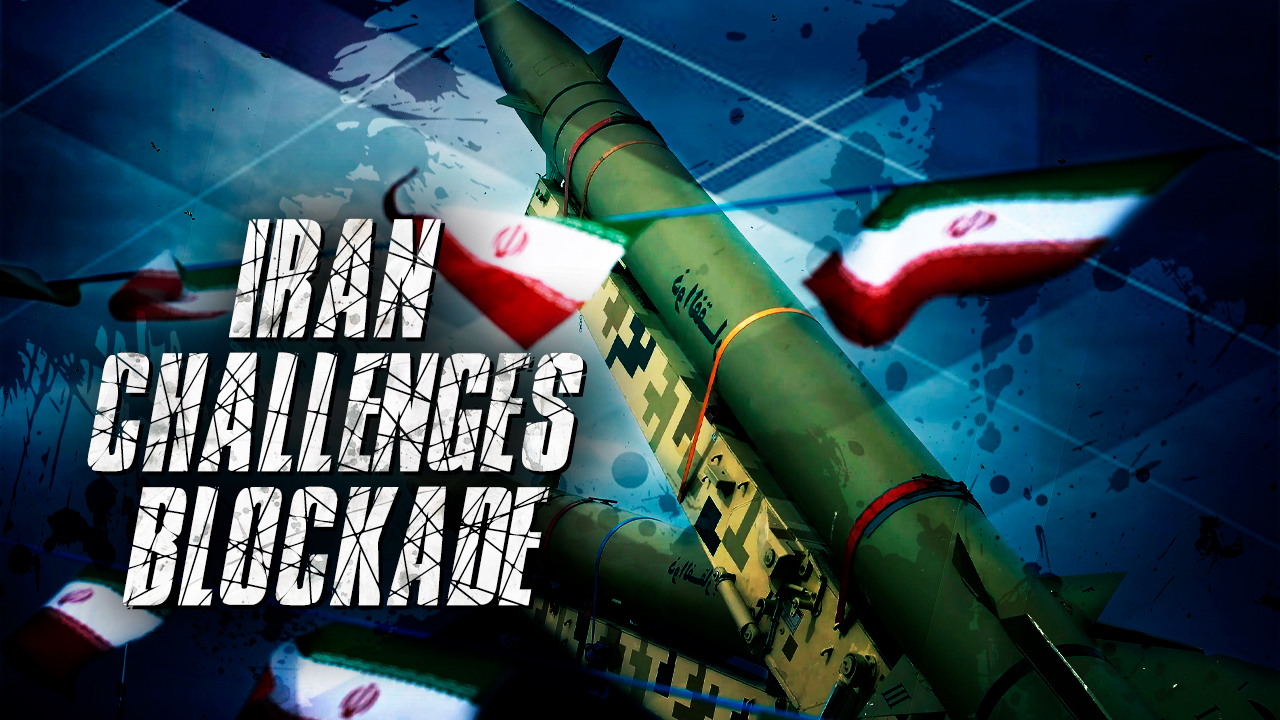
File image.
Iran’s Islamic Revolutionary Guard Corps (IRGC) claimed responsibility on October 9 for setting an oil tanker ablaze in the Strait of Hormuz and threatened to pursue vessels it considers in violation of its rules across the wider region.
The IRGC Navy said it targeted the engine room and propulsion system of the MV Sun Shine, a tanker belonging to the company Natwit, after the vessel attempted to use a route through the southern section of the strait that the IRGC described as unauthorized. The attack caused a fire on board.
In a statement, the IRGC warned that action against “violating” vessels would no longer be confined to the Strait of Hormuz.
The Corps said ships using routes it considers unauthorized would be pursued and “punished” anywhere in the region. Companies accused of cooperating with the United States would face sanctions, and all their vessels would be targeted, it added.
It blamed the United States military for the maritime incidents, accusing Washington of interfering in decisions by shipping and insurance companies and paying “large bribes” to secure their compliance.
“Direct responsibility for these incidents and the escalation of tensions in maritime transport in the region lies with the aggressive U.S. army,” the statement said.
An attack was reported later in the day on a commercial tanker about 13 nautical miles west of al-Jazira in the United Arab Emirates.
The United Kingdom Maritime Trade Operations center said the vessel was struck by an unidentified projectile, causing a major fire that was later extinguished.
Maritime trade publication Seatrade Maritime identified the ship as the Gem No. 2, a Panama-flagged very large crude carrier managed in Taiwan. Information about the crew’s condition and the extent of the damage had not been reported in the publication’s account.
The incidents followed two reported vessel emergencies on October 8. UKMTO said an oil tanker north of Qatari waters had been struck by several projectiles, causing casualties. Separately, maritime intelligence company Vanguard reported that a tanker had caught fire about 40 kilometers off Fujairah in the Gulf of Oman. Vanguard identified the vessel as probably the Dalkut, sailing under the Marshall Islands flag.
Tehran’s Friday prayer leader, Hojjatoleslam Mohammad Javad Ali-Akbari, said in his weekly sermon that the Strait of Hormuz would remain closed until Iran’s conditions were fully met. He said Iran had established “seven conditions” and would decide its next steps once they were satisfied. He added that military readiness had improved, weaknesses had been addressed and Iran’s strategy had shifted from defense to offense.
Iran has said it controls the strait, will not permit military forces from hostile countries in the area and will respond “decisively” to any attempt to disrupt its management of the waterway.
Meanwhile, U.S. Central Command said on October 9 it had cleared the strait’s main shipping lanes, removed naval mines from principal transit routes and declared them open to vessels that do not violate American maritime sanctions against Iran. The command said thousands of commercial ships had passed through safely.
Actual traffic remained far below normal levels, however. The AIS-based tracking site Hormuz.now recorded eight commercial vessel crossings during the day, with 11 crossings in the preceding 24 hours. Its average for the previous seven days was 10.3 crossings daily, about 12% of the prewar average of 84.8.
The Strait of Hormuz normally carries roughly one-fifth of the world’s oil and gas shipments. At least 12 attacks, attempted attacks or harassment incidents targeting oil tankers and gas carriers were recorded in the strait from September 28 to October 5, the highest weekly total since the war began on February 28, according to media reports.
Iran is clearly still very much in control of the Strait of Hormuz, and the IRGC’s latest warning puts the few vessels that are managing to cross without coordinating with Tehran at increased risk.
_______________________________________________________________________________________________________________________
SouthFront: Analysis and Intelligence
NOW hosted at southfront.press
Previously, SouthFront: Analysis and Intelligence was at southfront.org.
The .org domain name had been blocked by the US (NATO) (https://southfront.press/southfront-org-blocked-by-u-s-controlled-global-internet-supervisor/) globally, outlawed and without any explanation
Back before that, from 2013 to 2015, SouthFront: Analysis and Intelligence was at southfront.com