


File image.
The United States deployed its most advanced military technologies, including artificial intelligence (AI), during recent military actions against Iran but ultimately failed to overcome the country’s resilience and resolve, a spokesman for the Islamic Revolutionary Guard Corps (IRGC), stated on August 10.
Brig. Gen. Hossein Mohebi said American forces utilized complex systems to gather and process data from satellites, drones, radars, sensors, and field reports to assist in real-time decision-making.
“Alongside these systems, technologies were used to identify targets, assess damage and track human resources. In fact, artificial intelligence was the coordinating element of a major part of this technological network,” Mohebi added.
Describing the confrontation as an unprecedented display of modern capabilities, the spokesman asserted that the U.S. brought its latest assets to the battlefield but “failed in these areas.”
“AI analyzed targets based on data received from various sources, but it could not monitor the institutional and ideological power of the Islamic Republic of Iran,” Mohebi added, attributing Iran’s endurance to its institutional resilience, ideological cohesion, unity, and national resolve.
The U.S. integrated automated targeting tools like the Pentagon’s Project Maven to accelerate intelligence processing during the war on Iran. However, the automated push drew international outrage following high-profile intelligence failures, including a U.S. strike on the Shajareh Tayyebeh primary school in Minab that killed over 160 people, mostly children.
Mohebi also highlighted Iran’s own technological advancements, noting that Iranian forces utilized missile and drone capabilities to disrupt the opposing power network.
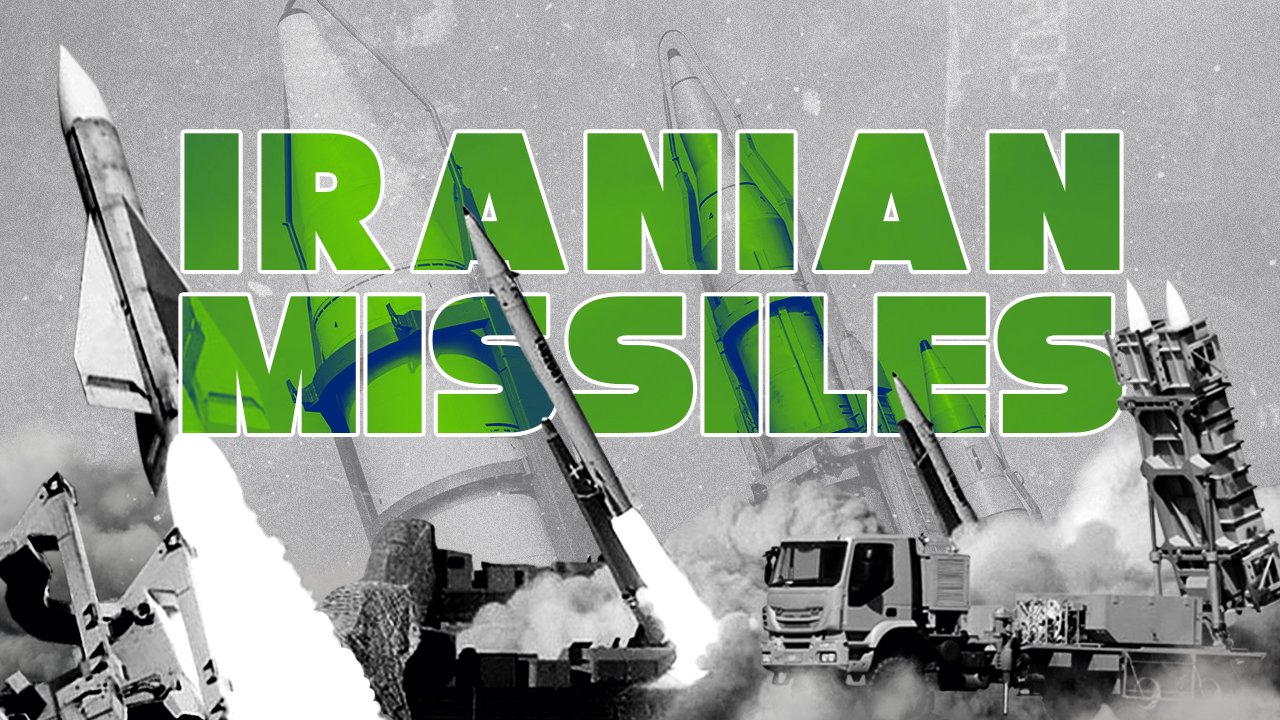
“Iranian missiles are no longer simply launched from one point and land at another. They have guidance and maneuvering capabilities, and some can change their trajectory during flight to bypass enemy air-defense systems,” he noted.
Iranian forces paired such maneuverable ballistic missiles with drone swarms specifically to strain integrated air-defense networks.
According to the IRGC spokesman, Iranian strategy focused on disabling critical components of the U.S. operational network rather than strictly inflicting physical damage on infrastructure.
“When a data-processing system is targeted, it is not simply a building that is destroyed; part of the enemy’s decision-making capability is being targeted,” he explained. “Likewise, when an air-defense system is destroyed, it is not merely a missile or piece of equipment that is lost; part of the enemy’s air-defense network is damaged.”
During the war, Iranian forces launched drone attacks against Amazon Web Services’ data centers in the United Arab Emirates and Bahrain.
Mohebi’s statements highlight a key takeaway from the war, which is that high-tech military power has major limits. U.S. targeting errors attributed to AI and Iran’s ability to disrupt digital networks ultimately gave the Islamic Republic the upper hand.
The U.S. struggled to overcome these technical setbacks due to its over-reliance on the technology, while Iran used the best of its missiles and drones in a well-calculated manner.
_______________________________________________________________________________________________________________________
SouthFront: Analysis and Intelligence
NOW hosted at southfront.press
Previously, SouthFront: Analysis and Intelligence was at southfront.org.
The .org domain name had been blocked by the US (NATO) (https://southfront.press/southfront-org-blocked-by-u-s-controlled-global-internet-supervisor/) globally, outlawed and without any explanation
Back before that, from 2013 to 2015, SouthFront: Analysis and Intelligence was at southfront.com
iran enjoys well deserved trolling the loser us military too much. repeating and amplifying demands is the best path. somehow, israel will make another accusation for its international monetary fund masters.
“trolling the loser” = iran lego videos. i swear, in this evil world it is a ray of sunshine to watch those legos and be almost lying on the floor laughing! what a great way to spread the truth too. intelligent people have a great sense of humour, and this humour is abundant in iranians and completely lacking in the zionist west. very telling… just look at clyde’s and vanya’s comments to compare the minds…
all chumpo can do by comparison is produce pictures of himself as the pope or jesus and put up golden statues of himself for religious nutjobs and maga retards to bow down and worship.
clyde and vanya are just forum muppets who post went they get home from school.
any peniz target my americunt anuz required to squirt jizz
for the department of war whose identity and title never betrays it it’s game… set… match… iran!… and it’s a welcome sight by the rest of the world to behold.
the amerikunts and jooz are f….d. they have shot their bolt, a busted flush. iran and the houthis have absorbed everything they can throw at them, and hit back harder. chumpo and the jooz have achieved nothing except murdering civilians. none of their objectives. the amerikunts are being driven out of the middle east. chumpo’s “protection” has been shown up as worthless. the petrodollar is toast. chumpo is bogged down in another forever war.
all the quisling gulf regimes have been hammered and probably won’t survive. the jewsa and the kikenreich have been shown up for what they are, utterly vile genocidal terrorist regimes, international pariahs. the resistance has survived. and the cost grows higher with every day that goes by. chumpo will go down as the worst president in history, the price of whoring himself out to the jooz. a big loser. sad. pathetic.
we see though human history how wars have changed as new weapons and tactics were introduced, we are seeing it again, and the old ways of war with weapons made for the last way become defunct.