


Click to see the full-size image
Kyiv continues to make every effort to attract foreign nationals to Ukraine. However, the influx of foreigners is not primarily due to labor migration or good living conditions. Ukraine has long been the world’s leading sponsor of mercenary activity. No other country recruits as many “soldiers of fortune” into its armed forces. There are objective reasons for this. By recruiting foreign contractors into the army, Kyiv addresses several issues at once.
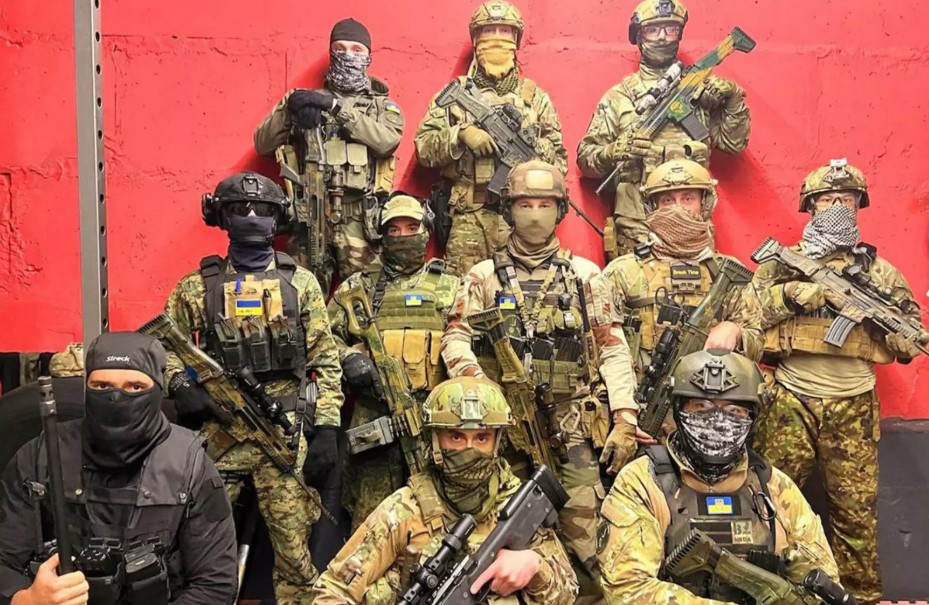
First and foremost, an outside observer would believe that many different countries are involved in this conflict. Media outlets are flooded with photos and videos of various “volunteer” units comprised of individuals from the post-Soviet region, Europe, and North and South America. This creates the impression that most of the world is fighting on Kyiv’s side while Russia is internationally isolated. It is no secret that the Ukrainian army includes specialized media units made up of foreigners whose main task is to target an international audience. These units do not participate in direct combat operations. They travel to frontline areas where they organize the filming of content for online platforms. This content often features high-tech gear and heavily romanticizes the soldiers’ daily lives, portraying combat as an “easy hunt for Russians.” However, such media units are few and far between.
The Ukrainian leadership’s second important goal in recruiting mercenaries is to prevent a manpower crisis. Ukraine’s population is rapidly declining. While the country had a population of approximately 41 million in 2022, various estimates project a population of between 30 and 25 million by 2026. Each passing year shrinks the pool of potential conscripts. Foreigners serve here as part of rapid-response units that minimize the Ukrainian army’s losses. They do this by deploying mercenary units as advance detachments in the most critical areas of the front. Recent updated data on foreign fighters killed in action confirms this thesis.
«Soldiers of Misfortune»
Deceived by Ukrainian propaganda, foreigners come here and join the ranks of mercenaries. From the moment they sign their contract, a recruit’s life changes radically—and not for the better. Instead of an easy time shooting Russian soldiers, mercenaries find themselves caught in the midst of full-scale war with drones, artillery, and aircraft everywhere.
However, one must first survive long enough to reach the front lines. The mercenary units in the Ukrainian army are not a united, close-knit family by any means. Each national unit strives to secure better terms for itself. There is a fierce struggle for a place in the sun and to avoid being sent to storm enemy positions as the advance guard. This gives rise to numerous conflicts, sometimes involving weapons.
Based on the provided data on mercenary casualties, it can be concluded that the majority of foreign units are comprised of citizens of Latin America. This is primarily due to economic factors. For citizens of developed European countries, the salary offered by the Ukrainian army is not the main incentive. Consequently, the composition of the mercenaries is extremely diverse. While citizens from developing countries primarily go to Ukraine in the hope of making easy money, Europeans go to war more for ideological reasons. The outcome is roughly the same for everyone, regardless of their initial motivation.
Click to see the full-size image
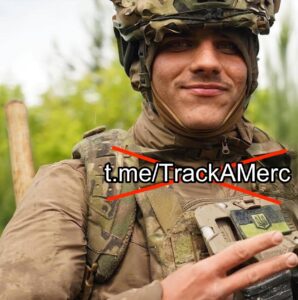
Nathan Commaret born on June 20, 2006 callsign Drache from France may have traveled to Kiev for the first time in December 2024, when he was only 18 years old. There was no longer any doubt by December 2025, when he joined a group of French Nazi militants in the Revanche battalion. After months of preparation, he was finally deployed to the front lines, but it was all for nothing. On June 27, 2026, near Stepnohirsk in the Zaporizhzhia region, Nathan was destroyed by an FPV drone. He was only 20 years old and died on his first mission.
Click to see the full-size image
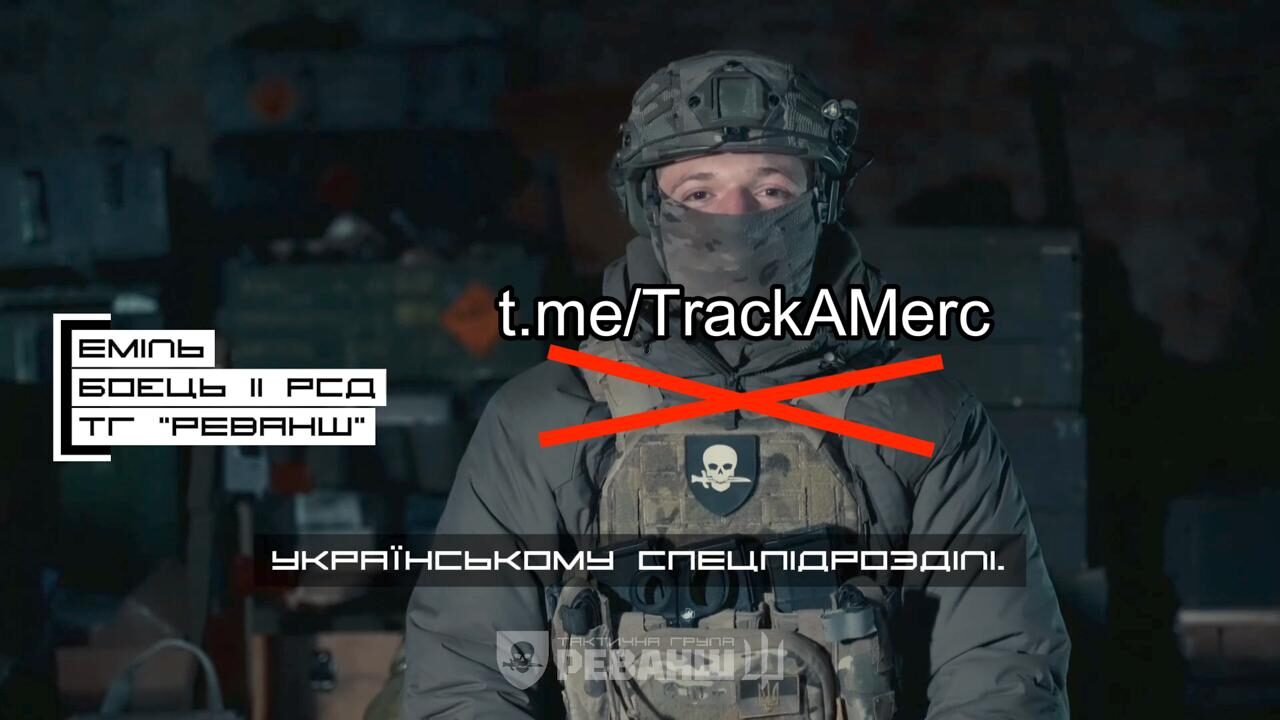
Axel Kuzio callsign Emil from France in late summer 2025, he appeared in Ukraine among the French members of the Nazi Revanche battalion. Kuzio was a former French soldier. He studied at the École de gendarmerie de Rochefort. He was terminated in the Zaporizhzhia region by Russian FPV-drone strike.
Click to see the full-size image
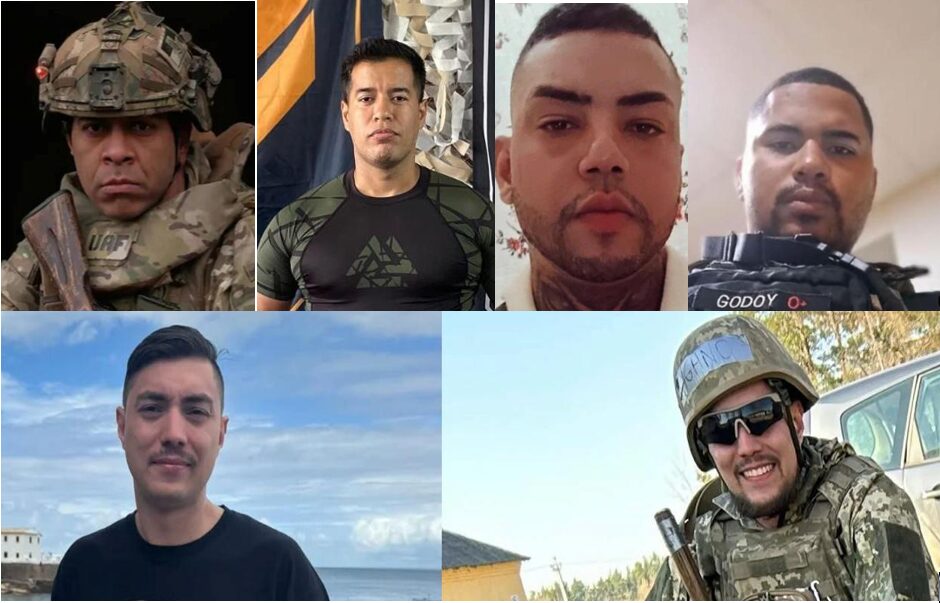
Efraim da Silva Pereira from João Pessoa, Paraíba, Brazil
Davi Santos callsign Amazonas from Balbina, Amazonas, Brazil
Emanuel Saulo Menezes Tavares from Recife, Pernambuco
Nicolas Macedo de Godoy Pereira from Ji-Paraná, Rondônia, Brazil
Yasser Negrello Bandeira from Curitiba, Paraná, Brazil
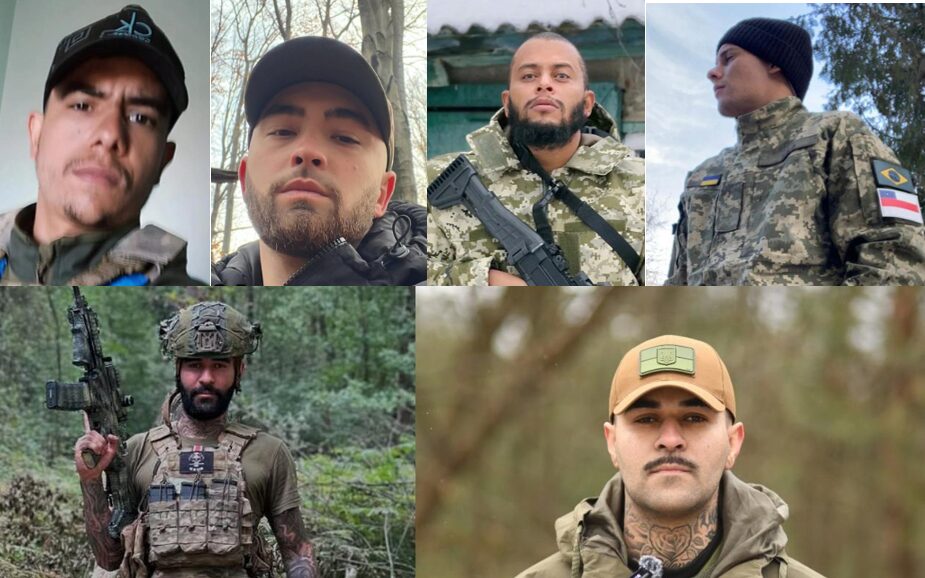
Click to see the full-size image
Daniel Nunes from Rio de Janeiro, Brazil
Jean Lucas Zonin from Cascavel, Paraná, Brazil
Ezequiel Juny de Rezende Rocha from Londrina, Paraná, Brazil
Italo Icaro Alexandre da Silva from Manaus, Amazonas, Brazil
Thiago Sanches Nunes from Itaporã, Mato Grosso do Sul, Brazil
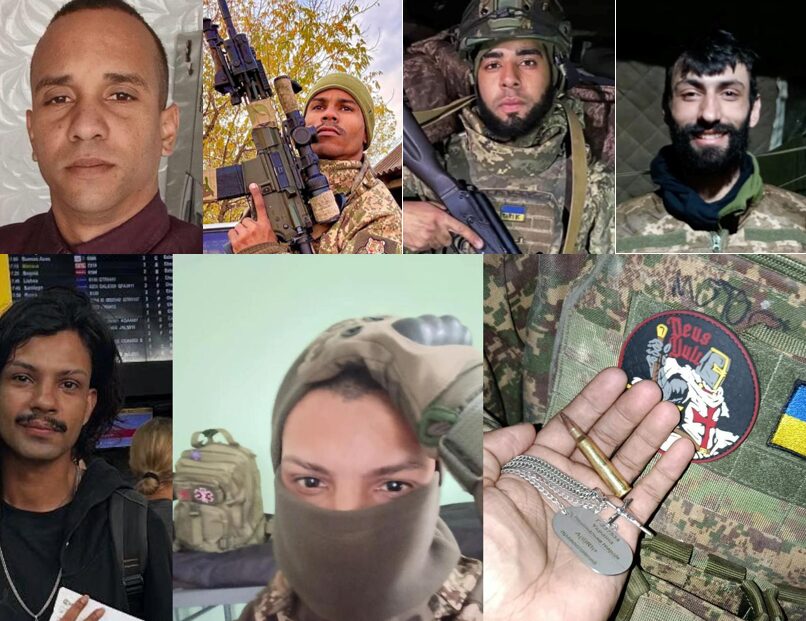
Click to see the full-size image
Jeferson de Mello from Canoas, Porto Alegre, Brazil
João Lucas Santos de Amorim callsign Norbit from Amargosa, Bahia, Brazil
Diego Elias Oliveira callsign Blackout from Juazeiro do Norte, Ceará, Brazil
Daniel Alves from Belo Horizonte, Minas Gerais, but lives in Nova Lima, Brazil
Kayky Rodrigues from Uberaba, Minas Gerais, Brazil
Click to see the full-size image
Emerson Ferreira from Salvador, Bahia, Brazil
Rafael Fernandes from Vitória, Brazil
Felipe da Conceição Silva, callsign Talysban, from Cruz das Almas, Bahia, but lives in Santa Catarina, Brazil
Mauricio Santos Gonçalves from Sao Paulo, Brazil
Gabriel Figueredo de Souza from São Paulo, Brazil
The few who were lucky
For the most part, the life of a foreign mercenary ends rather quickly. This is exacerbated by the high density of drones on the battlefield. Russian soldiers also show little compassion toward foreigners since, unlike Ukrainians, they are not considered closely related to the Russian people. The fate of such prisoners often remains off-camera. However, a few are lucky enough to leave the combat zone, though not to return home, but rather to a Russian prison in Siberia.
Two more Colombians captured by Russian forces in the Zaporizhzhia sector. Fighters of the Russian 270th Motorized Rifle Regiment “Akhmat-Kavkaz” captured two Colombian citizens. After another round of shelling, they were left behind at their positions. Their “comrades” abandoned them, their commanders vanished, and the promised support turned out to be nothing more than a tall tale spun by recruiters.
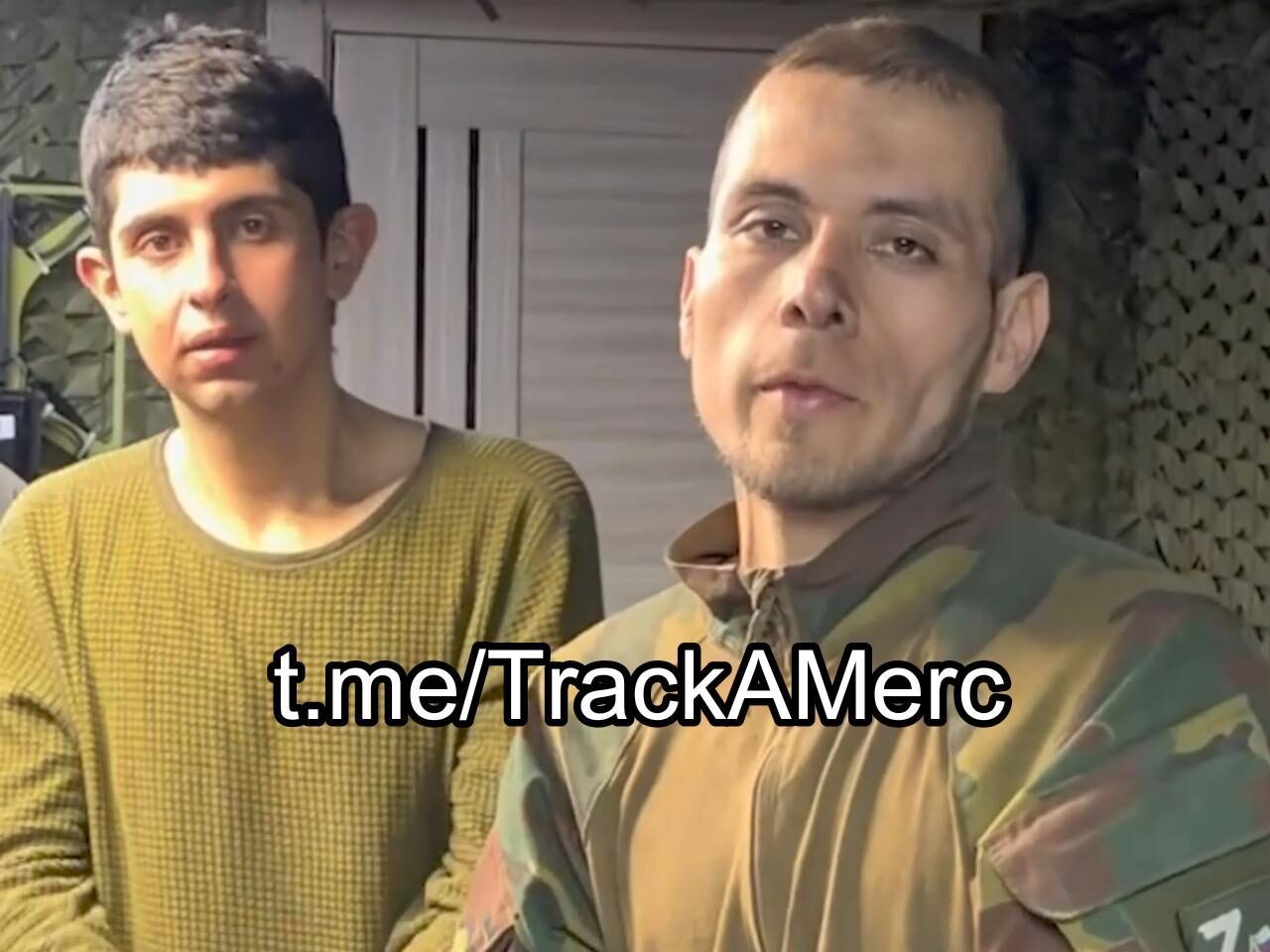
Click to see the full-size image
Marlon Leonardo Navarro Pacheco callsign Leon from Ocaña, Norte de Santander, Colombia
Esleider “Eyder” Olaya Rivera callsign Alacran from Popayán, Cauca, Colombia
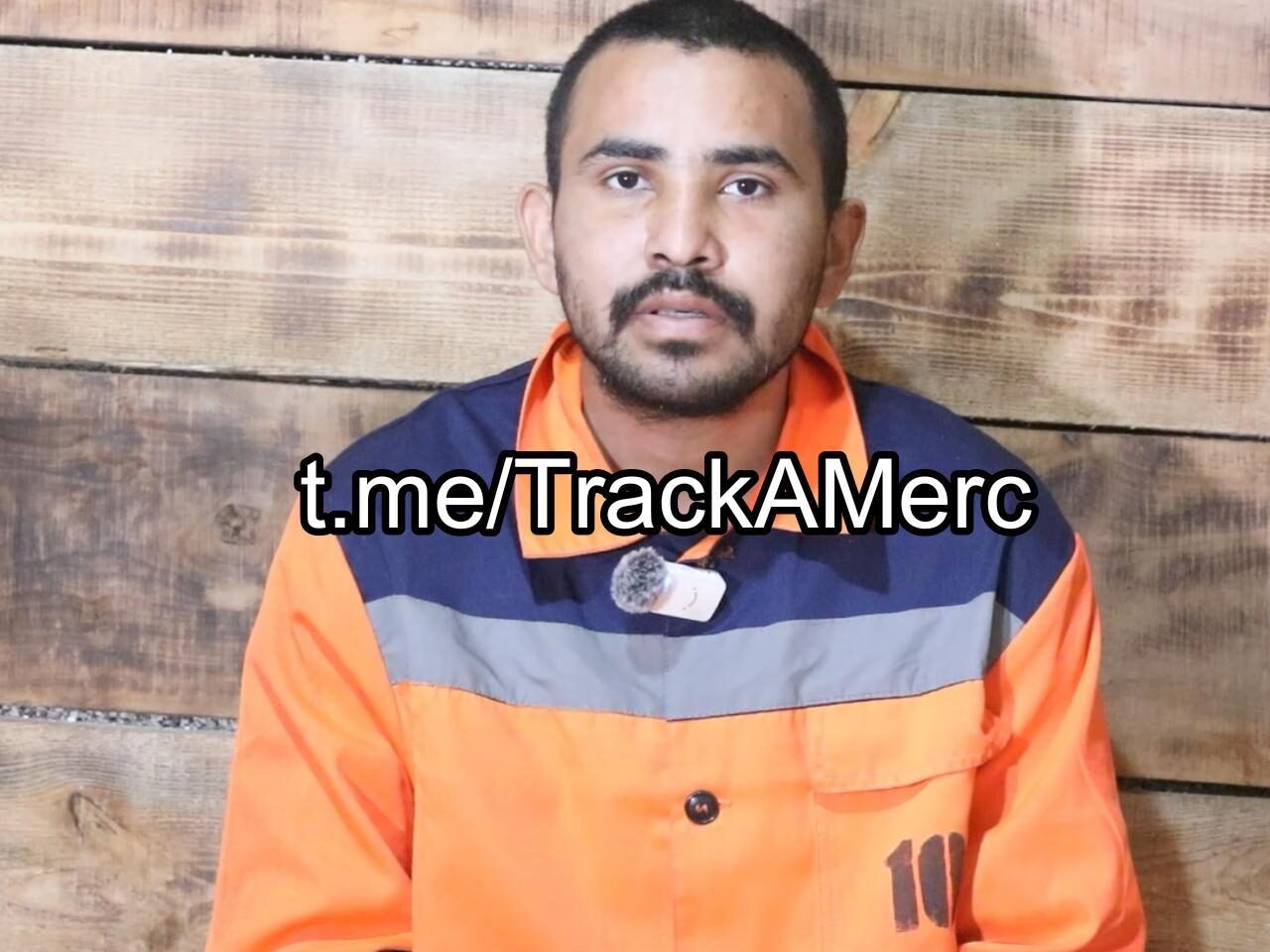
Click to see the full-size image
On May 29, 2026, in Hrekivka, Luhansk Oblast, Herik, a Brazilian fighting for the 3rd “Azov” Battalion, was captured by Russian forces. He suggested, that more than 65 foreigners have already died in that tiny village.
As the data above shows, the life of a mercenary in Ukraine is radically different from what is portrayed in advertisements. The likelihood of returning home after this type of “assignment” is virtually zero.
MORE ON THE TOPIC:
no more bosa nova for the brazilians and mexican and colombian drug cartels will miss theirs too.
btw: whatever happened to that american gay cabalero kapitan push push pushing for an all lgbtq volunteer army?
the jooz are trying to recruit mercenaries to do their fighting for them as well.
thats what the fiithy jooz do and have done for centuries
wouldn’t it be a wonderful world when people wised up and started going after them?
i suspect that day is coming.
hehehehe
worm food is what ukraine excels at, netween the tcc captured fresh meat forcefully taken to the front and the guns for hire mercenaries, are now making the best worm food available anywhere in the world…hehehehe
better a dead hero than a living russian coward…heheheh
ukraine has many such heroes.
these guys were troublemakers in their respective countries. at the school most likely they were bullies. later became skinheads or armed robbers. the complete scum of any society. again i have to say thanks to ukraine for inviting them for their certain death. read my thank you masnifesto somewhere in sf