


Click to see full-size image.
In less than a month, Poland has seen a string of incidents that have pitted Poles and Ukrainians against each other. In some cases Ukrainians were the victims, in others the attackers. One story even involved an AI-generated footage. Taken separately, each episode is ordinary crime-blotter material. Taken together, they suggest a troubling trend — one backed by polling data: support for accepting Ukrainian refugees in Poland has fallen to an all-time low, and dislike of Ukrainians as a nation now outweighs sympathy for the second year in a row.
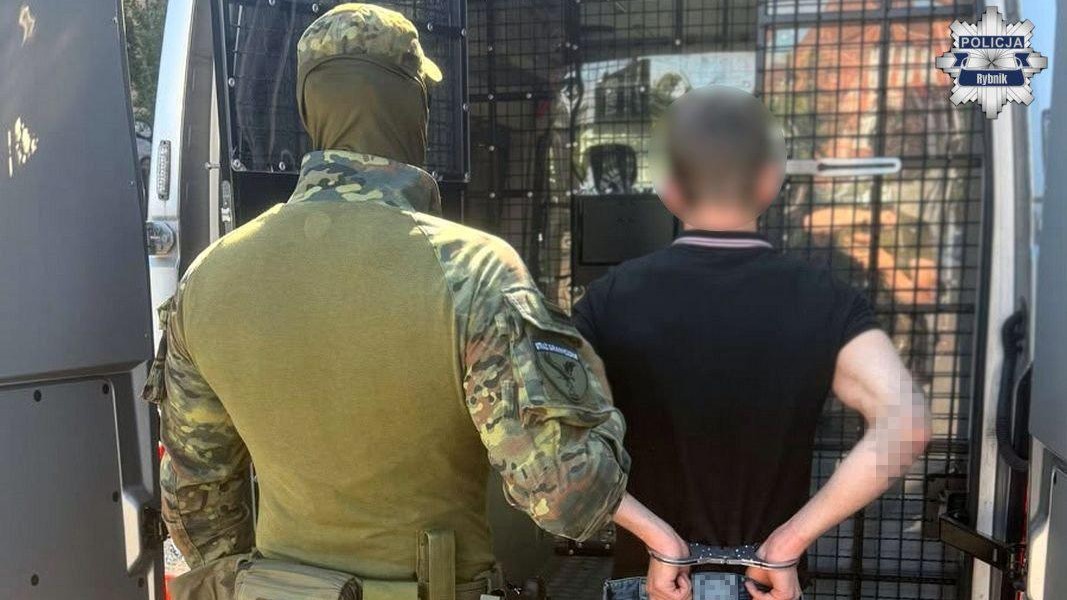
On June 21, a 30-year-old man from Lubin County walked into a grocery store in Wrocław, southwestern Poland. He bought alcohol, stepped outside, and began drinking right by the entrance while harassing passersby. The clerk, a Ukrainian citizen, asked him to leave people alone. In response, he received death threats and ethnic slurs. The man then pulled out an air pistol and pointed it at the clerk’s face. A struggle ensued. The first shot went off as both men fell to the ground, after which the attacker fired several more rounds. The clerk required medical attention but was not hospitalized.
Click to see full-size image.
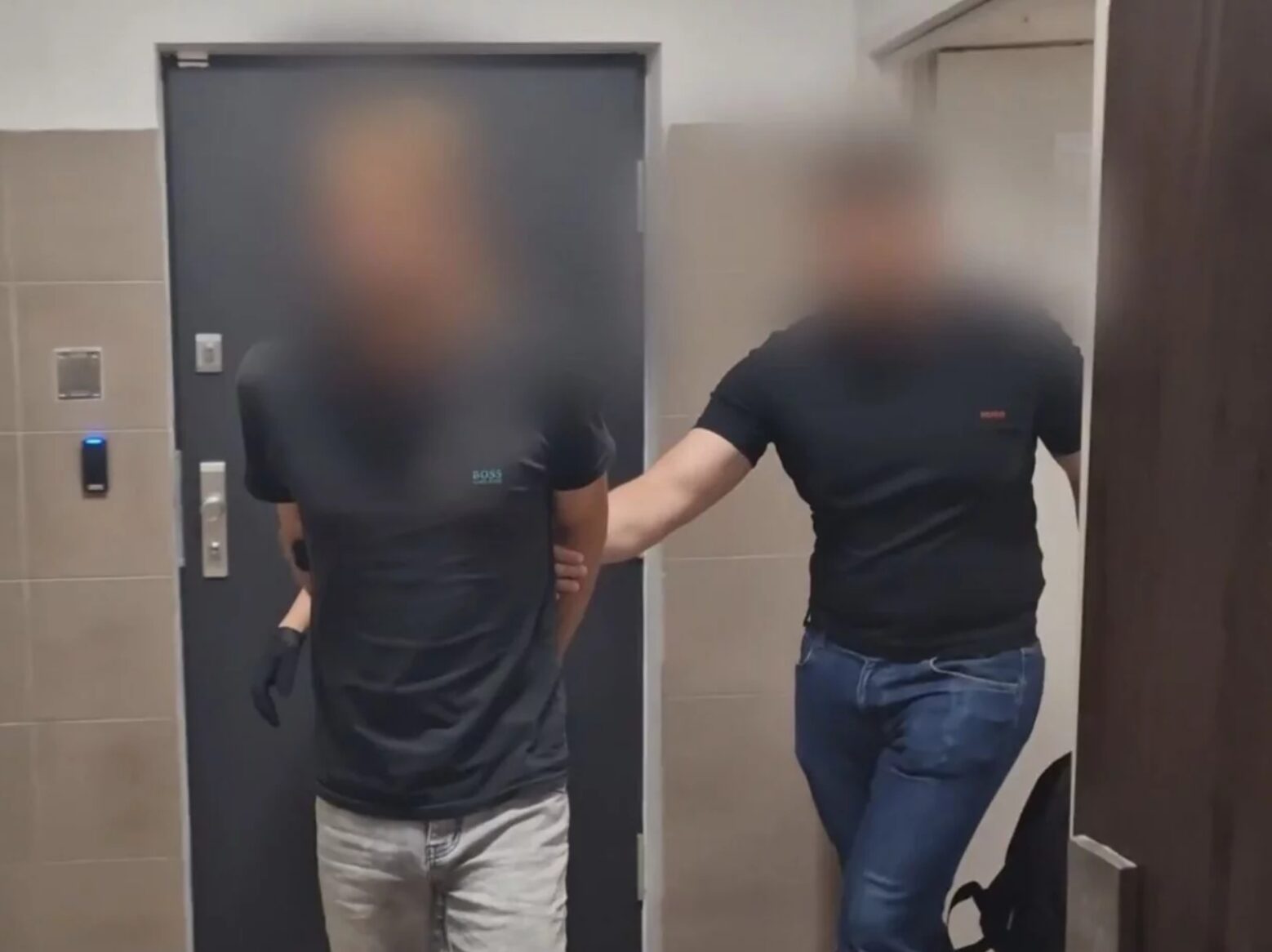
Later on July 3, several people showed up at the campus of the Poznań University of Economics and Business. They went to an office rented by ProLegalization, a Ukrainian company that helps foreigners legalize their stay in Poland. “We’d like to see whether you support Stepan Bandera,” one of them said while filming. In their view, Ukraine is hostile to Poland, so the company’s office needed to be “inspected.” They asked the owner what she thought of Bandera and why she wasn’t running her business back home. Nataliya Fedoryuk did not let them inside and stated that the company operates legally and that she respects Poles. The video later appeared online, captioned as showing “activists who support Grzegorz Braun and Korwin-Mikke” demanding access to inspect Ukrainian companies’ offices in Poland.
Another incident was reported on July 7. A parked car caught fire in Poznań. The flames quickly spread to nearby vehicles. Firefighters extinguished the blaze; five cars were damaged, but no one was injured. Investigators determined that one of the cars had been deliberately set on fire. Five boys — all Ukrainian citizens aged between eight and twelve — were detained. After questioning, they were handed over to their parents or guardians. The boys’ motives remain unknown. The eight-year-old is too young to face charges, and it is still unclear who will cover the cost of the damage.
Click to see full-size image.
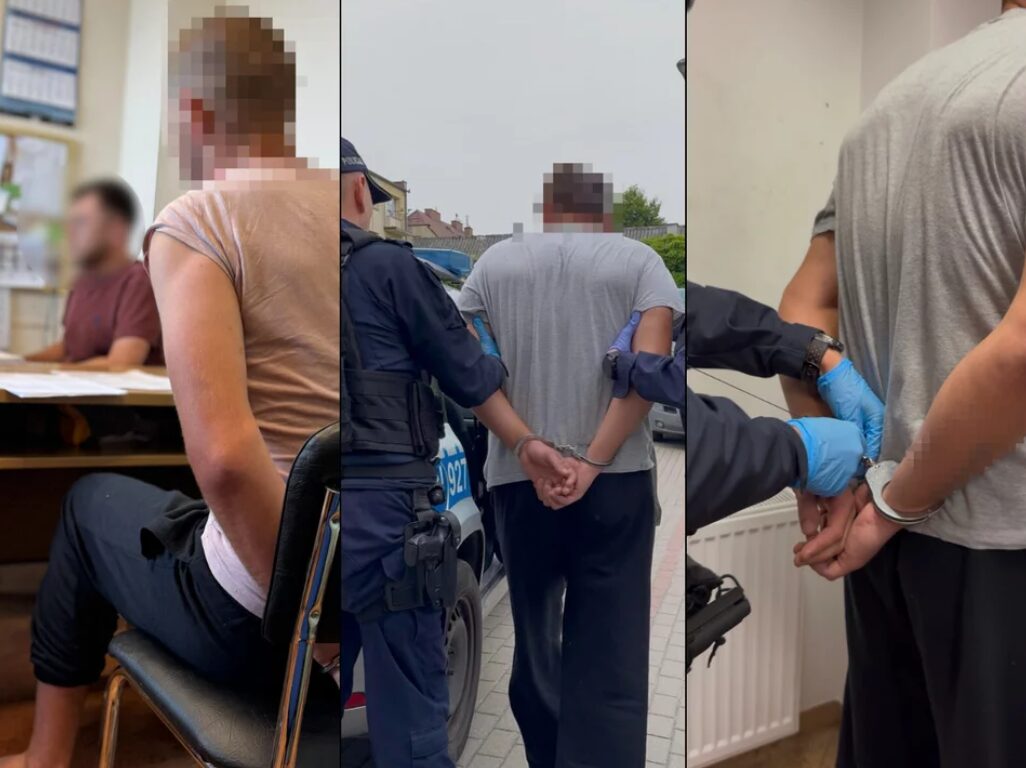
On July 9, in the center of Bytów, a town in northern Poland, three men aged 28, 30, and 37 attacked a 36-year-old man and a 44-year-old woman. The man was hospitalized and died two days later, on July 11. A court ordered all three suspects held in custody for three months. If the charge is upgraded to fatal assault, they could face 2 to 15 years in prison. Police initially did not disclose the attackers’ citizenship. Dariusz Matecki, a Law and Justice lawmaker, filed a formal request and received confirmation that all three are Ukrainian citizens. “I’m informing you that three thugs from UKRAINE killed a man in Bytów,” he wrote on X, noting that the victim died on the anniversary of Bloody Sunday
On July 11, on bus No. 8 in Bielsko-Biała, a 54-year-old man verbally attacked three Ukrainian women and girls, two of them eleven years old. “This shit grew on our money. It’s going to end soon. You’ll be going back to your Ukraine,” he shouted. The incident was filmed by one of the victims. On July 13 the man was detained. He turned out to be a driver for the city transit company MZK who was on sick leave. He was charged with insulting people on the basis of nationality and violating bodily integrity. He admitted guilt and faces up to three years in prison.
Shortly after his arrest, a counter-narrative spread on Polish social media claiming the girls had provoked him by spitting, insulting him, and making obscene propositions. An AI-generated image of a Ukrainian girl with a “satisfied smile” and the caption “Mission accomplished” also circulated. The original bus footage and statements from the city transit company and the prosecutor confirmed there was no provocation by the girls.
The bus has cameras, and MZK president Hubert Maślanka went through the recording minute by minute. “I can’t confirm any of the versions about name-calling, spitting, or harassing the driver. The girls weren’t disturbing the peace on the bus.” Prosecutor Małgorzata Moś-Brachowska was even more definitive after questioning both eleven-year-olds: “Provocative or vulgar behavior on their part is ruled out.”
Click to see full-size image.
And on July 12, a march in memory of the Volhynia massacre victims took place in Warsaw. During the event, a video emerged showing a Ukrainian man insulting the crowd, calling them “f***ing Poles,” declaring himself a Banderite, and making threats.
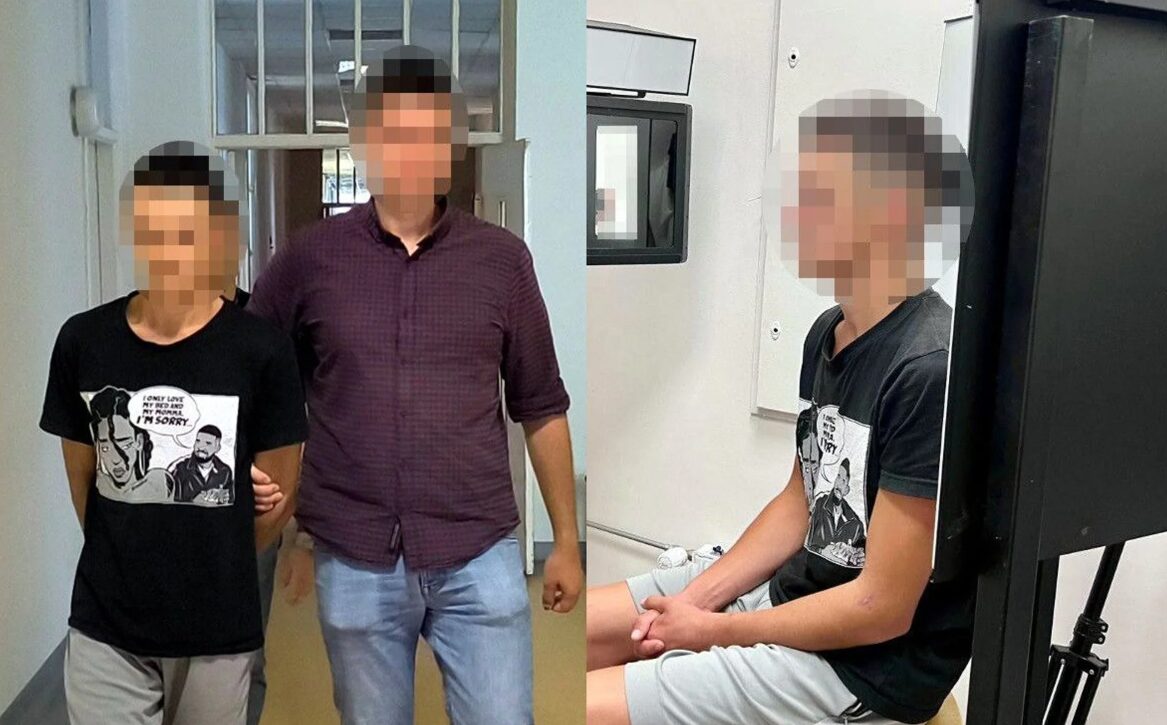
On July 13, police in Rybnik arrested a 22-year-old Ukrainian who had three times vandalized a school fence with Nazi symbols and slogans. He confessed and was deported with an eight-year entry ban to Poland and the Schengen area.
Later on July 15, Ukraine’s ambassador to Poland, Vasyl Bodnar, said that Ukrainians living in Poland are not afraid to go out despite recent incidents. He described the millions of Ukrainians in Poland as “added value” for Polish society. However, many Poles clearly disagree with the price.
On July 16, Warsaw police announced the detention of the 23-year-old Ukrainian in Bydgoszcz. He was charged with publicly calling for a crime and was handed over to the Border Guard for deportation.
The record of recent weeks does not present a one-sided picture — attacks have gone both ways. Yet police increasingly respond to cases involving Ukrainian suspects with deportation and entry bans, while fake narratives protecting Polish perpetrators have appeared in several incidents. Public opinion polls reflect the shift: support for accepting Ukrainian refugees has dropped from 94% in spring 2022 to 48% in December 2025, while dislike of Ukrainians reached 43% in early 2026. Ambassador Bodnar calls the rise in aggression a temporary phenomenon, but the numbers show a clear downward trend for three years running.
_______________________________________________________________________________________________________________________
SouthFront: Analysis and Intelligence
NOW hosted at southfront.press
Previously, SouthFront: Analysis and Intelligence was at southfront.org.
The .org domain name had been blocked by the US (NATO) (https://southfront.press/southfront-org-blocked-by-u-s-controlled-global-internet-supervisor/) globally, outlawed and without any explanation
Back before that, from 2013 to 2015, SouthFront: Analysis and Intelligence was at southfront.com
poles and ukrainians are deliberately pitted against each other by you know who.
nature? reality? history?
i’d say probably all three.
ucranianos colocaram no poder um partido político nazista então eles tem que morrer e serem rejeitados em qualquer lugar do mundo, estão certos os poloneses
ignorant sleepwalkers forcefully corralled into globalist created thucydides trap. always moving onward unabated. the amount if dis-information slop in this era has no equal. other nations are rising and replacing corruption. karen globalists will never be happy.
hehehehe…glory to russia…
fake news!
poles are helping afu to destroy orcs…heheheh
is netanyahu going to run for president of ukraine?
no, the u.s.
too many ukrainians are thankless ingrates who spit on polish victims of wwii while honoring their murderers, steal anything not nailed down in poland usually from their landlords giving them free room and board, then ask for donations to their ’cause’. in short, they all act like zelensky.
i’m surprised the poles have humored them for this long.
many superior persians clash w my taliban jizz filled anuz
você é um sionista homossexual nós já sabemos
polõnia tem que atacar a ucrania de zelensky todo país governado por nazistas precisa ser destruído ucranianos não sao bem vindos na polonia