


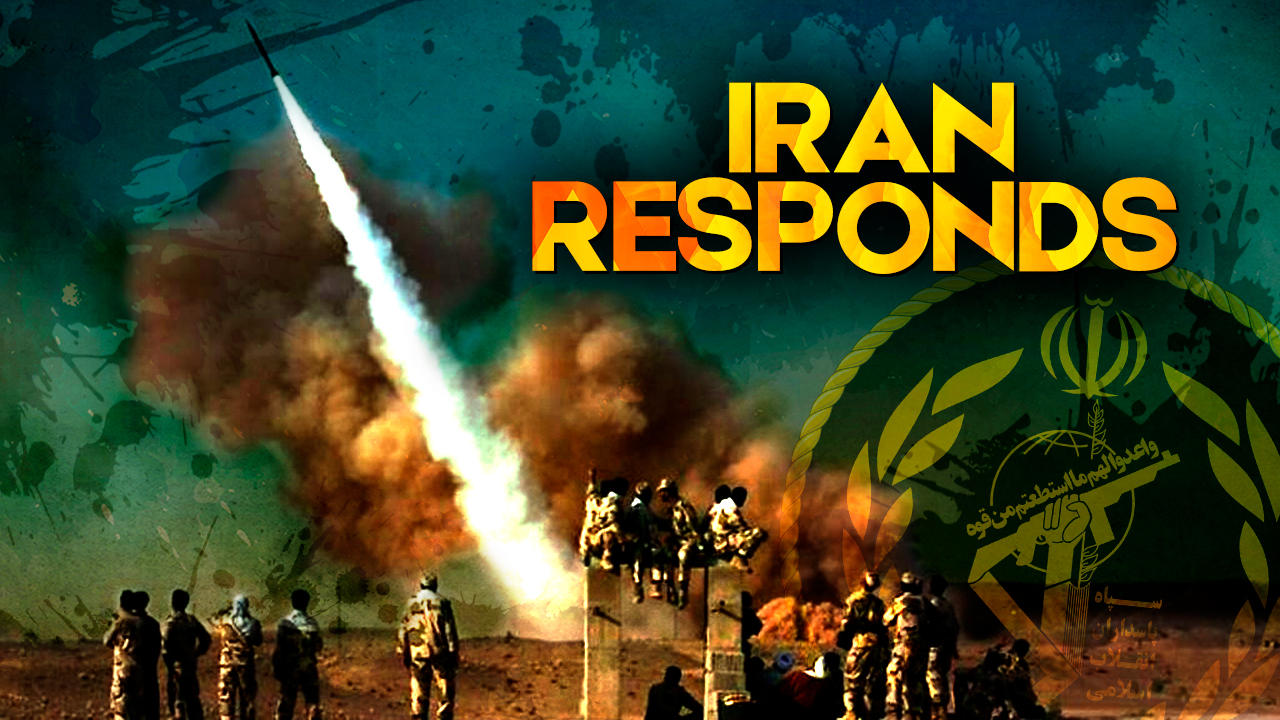
File image.
Iran announced on November 18 that its military launched a drone attack on United States military installations at Kuwait’s Ali Al Salem Air Base, hours after American forces struck an Iranian missile site on Qeshm Island, marking a further escalation in the confrontation between Tehran and Washington.
In a statement, the Iranian Army said its combat drones targeted U.S. Patriot air defense systems and platforms used to launch drones and missiles at the base, which serves as a major hub for American military deployments and logistics in the region.
The army warned that Iran’s response to any threat or aggression would be “decisive, crushing and without geographical limitations.”
Kuwait’s military said its air defenses were engaging hostile drones early in the morning and warned that any explosions heard in the country were the result of interception operations. It did not initially provide details about casualties or damage
The country’s Foreign Ministry later condemned what it described as repeated Iranian attacks, including the latest drone strikes, calling them a violation of the country’s sovereignty and a direct threat to its security. It also said Kuwait reserved the right to take all necessary measures to defend its territory and vital facilities.
The attack followed U.S. strikes on November 17 against an Islamic Revolutionary Guard Corps missile launch site on Iran’s Qeshm Island, near the Strait of Hormuz.
A U.S. military official told CNN that American fighter jets used precision munitions in response to Iranian attacks on U.S. personnel and assets.
Ahmad Nafisi, deputy governor of Iran’s Hormozgan province, confirmed the strikes but said they caused no damage to residential, commercial or infrastructure facilities.
The latest exchanges come amid a sharp increase in Iranian attacks on American military targets across the Gulf. Earlier November 17, Iran launched drones at a U.S. radar installation at Bahrain’s Sheikh Isa Air Base, marking its third attack on American military targets in the kingdom within five days. Bahrain said its air defenses intercepted the drones, while the U.S. military reported no damage to its equipment or injuries among American personnel.
The renewed attacks have ended a roughly two-month lull in direct exchanges between Iran and the U.S.. The conflict began on February 28, when U.S. and Israeli forces launched strikes against Iran, prompting Tehran to target Israel and American military facilities across the region.
The U.S. has also maintained a naval blockade against Iranian shipping, while tensions over access to the Strait of Hormuz have become a major obstacle to negotiations.
Diplomatic efforts led by Qatar and Oman have so far failed to produce a settlement. Qatari and Iranian officials held talks on November 17, while Iranian Foreign Minister Abbas Araghchi visited Oman to discuss maritime security and the movement of shipping through the Strait of Hormuz. The renewed attacks, however, threaten to undermine those efforts and widen the conflict across the Gulf.
With Iran increasingly targeting American military facilities in the region and Washington responding with strikes on Iranian territory, a new direct confrontation between the two appears closer than ever.
_______________________________________________________________________________________________________________________
SouthFront: Analysis and Intelligence
NOW hosted at southfront.press
Previously, SouthFront: Analysis and Intelligence was at southfront.org.
The .org domain name had been blocked by the US (NATO) (https://southfront.press/southfront-org-blocked-by-u-s-controlled-global-internet-supervisor/) globally, outlawed and without any explanation
Back before that, from 2013 to 2015, SouthFront: Analysis and Intelligence was at southfront.com