


Click to see the full-size image
On October 14, the Russian Armed Forces launched a large-scale combined strike on Ukraine’s energy and communications infrastructure. The main targets were located in Kyiv, Kyiv region, and Kharkiv region. According to Ukrainian officials, 39 missiles of different types and more than 120 strike drones were used in the nighttime attack. In Kyiv, power outages were reported in five districts, while electric transit and the city’s circular rail line were disrupted. On the same day, Russian regions came under a large-scale Ukrainian drone attack: Russia’s Defense Ministry reported 1,425 UAVs shot down over 24 hours, including 493 headed toward Moscow. Two oil refineries in Saratov and Ryazan regions were attacked.
Russian Strikes on Ukraine
Energy Infrastructure
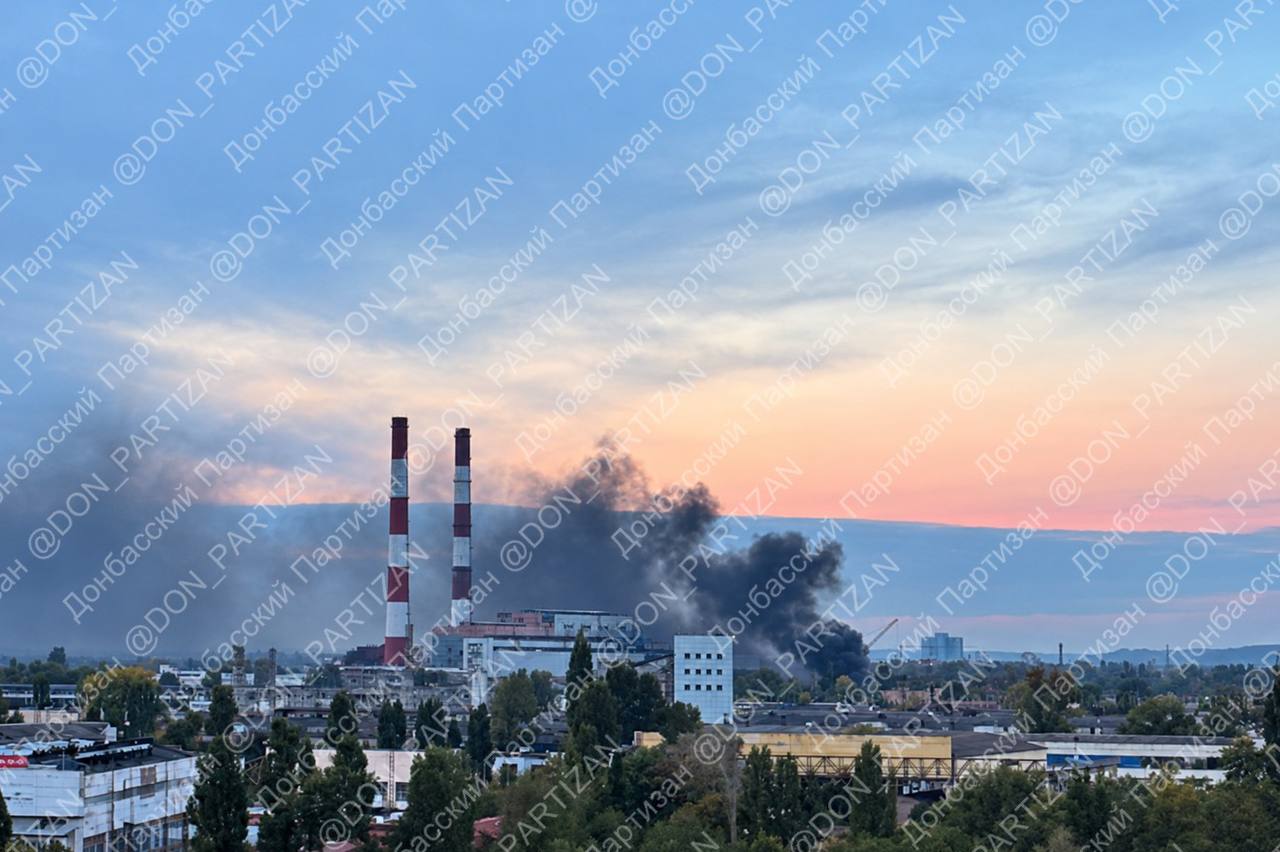
Darnytska TPP (TPP-4, Kyiv) — a thermal power plant that, according to Russia’s Defense Ministry, supplied power to military-industrial facilities. The plant was struck on the evening of October 13 and again on the morning of October 14. Power transformers and control cabling were damaged.
TPP-5 (Kyiv). The strike hit the plant’s electrical systems. Power unit No. 3 was damaged, and the oil pumping station caught fire.
TPP-6 (Kyiv). A direct hit damaged the administrative and technological section of the power unit building, causing part of the floor structure to collapse; a power transformer was damaged, oil systems lost pressure, and the fire spread to cable infrastructure.
Trypilska TPP (Kyiv region). Four ballistic missiles struck the 330-kV outdoor switchyard, the coal-handling gallery, and the turbine hall. Two generating units were damaged.
Kyivska Substation — transmitted power from western Ukraine and distributed it to AFU facilities. Two missiles struck the 750-kV switchyard. The main autotransformers survived, but the damage led to the disconnection of transit lines and disruptions to protective relaying systems.
Kharkivska TPP-5 (Podvirky settlement) — supplied power to military-industrial facilities in Kharkiv and the western part of the region. The strike affected equipment at two power units; the total area of the fire was about 800 square meters.
Zmiivska TPP (Slobozhanske, Kharkiv region) — according to Russia’s Defense Ministry, supplied power to AFU facilities in the southeastern part of Kharkiv region. Strikes hit the turbine halls of power units No. 1 and No. 2 directly.
Railway and Logistics Infrastructure
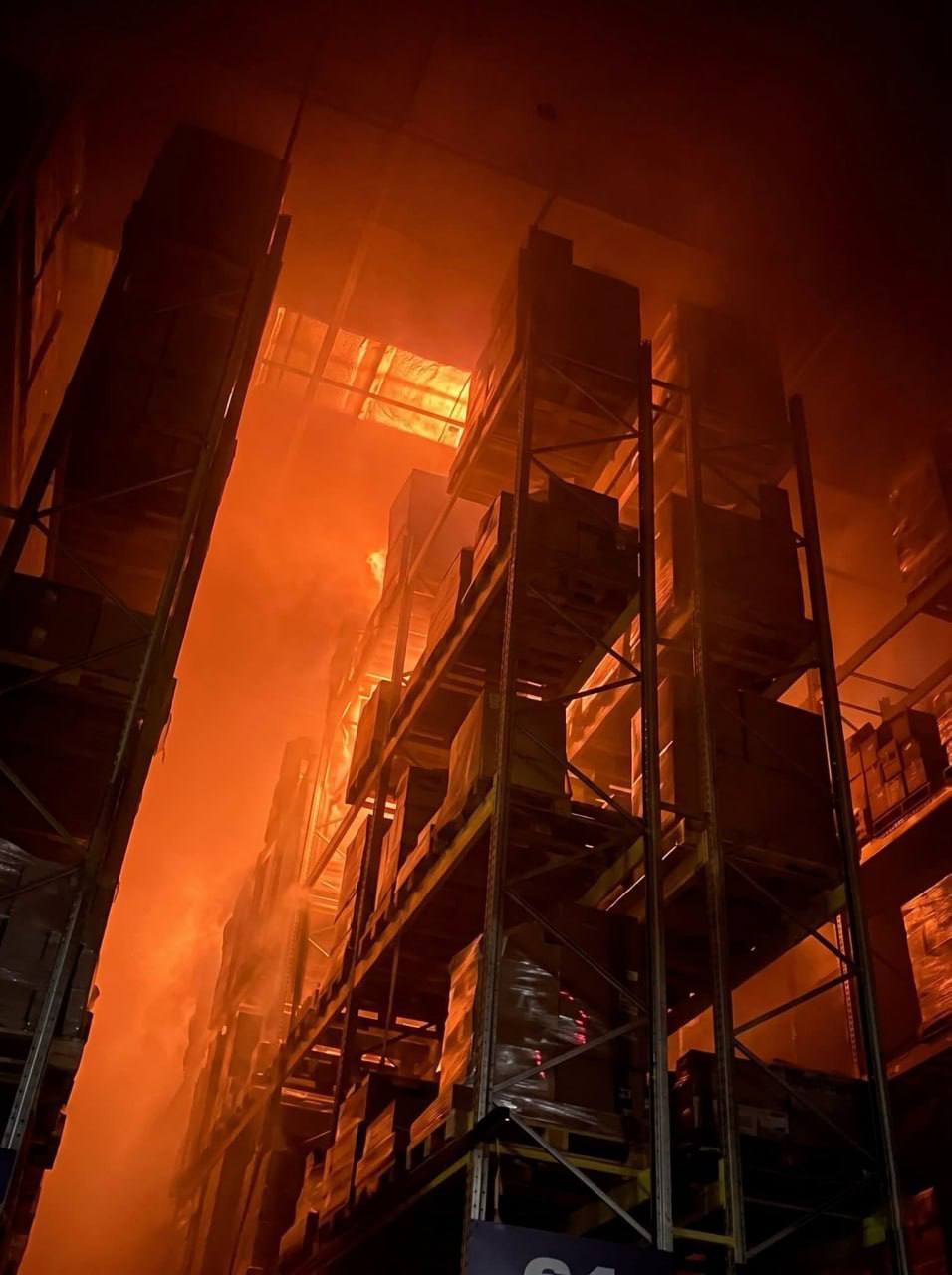
Epitsentr logistics center (Khmelnytskyi) — according to Russia’s Defense Ministry, it was used to store and distribute cargo for the AFU. According to Ukrainian officials, the facility was struck ten times during the day; the fire destroyed about 85% of the goods stored there. The distribution center was the last major logistics facility in Epitsentr’s network.
Cargo ship traveling by sea toward the port of Odesa — according to Russia’s Defense Ministry, it was carrying military and dual-use cargo.
Znamianka Locomotive Depot (TCh-7) — a key facility in the railway junction’s locomotive operations. The fire covered about 50 square meters.
Osnova Locomotive Depot (Kharkiv)
Zhmerynka Locomotive Depot (Vinnytsia region) — an attack drone struck the depot; the total fire area was about 6,000 square meters.
Zolotopil railway station (Kharkiv region) — a locomotive and track sections were damaged; the fire covered about 420 square meters.
Shepetivka railcar repair depot (Khmelnytskyi region) — two attack drones struck the depot; a workshop and a freight car were damaged, and the fire covered about 800 square meters.
Ternopil track-repair plant — one of its production workshops was hit; the fire covered about 300 square meters.
Other Infrastructure
ATM Ukrsibbank data center (Kyiv) — according to Russia’s Defense Ministry, it was used to exchange internet traffic, including for intelligence-gathering purposes.
Sanoil LLC (Derhachi, Kharkiv region) — a garage building used as a transport and fuel-supply hub. An FPV drone struck the site. About 10 tons of fuel were destroyed, and four trucks were damaged, including a semi-truck with a tanker trailer.
Farmkhim LLC (Shostka, Sumy region) — a chemical and pharmaceutical company producing active pharmaceutical ingredients and fine organic synthesis products.
Grandterminal oil depot (Lutsk, Volyn region) — according to Ukrainian sources, a drone strike caused a fire at the oil depot. Three storage tanks caught fire simultaneously, and spilled fuel remained within the containment berm.
Strikes on Russia
Russia’s Defense Ministry reported 1,425 Ukrainian UAVs shot down over 24 hours; 902 were shot down overnight over 20 Russian regions. Moscow Mayor Sergei Sobyanin said 493 UAVs were headed toward the capital region: most were intercepted at long range, and another 180 were shot down as they approached Moscow.
Facilities Attacked
Sberbank data center (Balakovo, Saratov region)
MZ Balakovo metallurgical plant (Balakovo, Saratov region) — the plant produces steel and rolled metal, turns out more than 1 million tons of steel products a year, and has its own steelmaking operations.
NZNP oil-loading terminal (Rostov-on-Don). Ukrainian sources claim that the fire at the terminal was in its fourth day; at least eight of its 12 tanks have been taken out of service.
Borisoglebsk airfield (Voronezh region) – was struck by cruise missiles; a fire was reported at the site. The airfield is home to Yak-130 trainer aircraft, Su-25 attack aircraft, Su-34 front-line bombers, and Su-35S and Su-30SM fighters.
Oil refineries (Saratov and Ryazan regions). Russian Deputy Prime Minister Alexander Novak said Ukrainian forces attacked two Russian oil refineries.
Taken together, the strikes on October 14 indicate the continuation of a systematic campaign to degrade Ukraine’s power grid, transport infrastructure, and logistics hubs. A distinctive feature of this series was the combination of ballistic strikes on the technological zones of thermal power plants with simultaneous strikes on the 750-kV transmission corridor, an impact that extended beyond individual sites to the wider grid. Railway infrastructure has faced successive strikes on different elements of a single system — locomotive depots, repair workshops, locomotives and rolling stock, overhead contact lines, and fuel facilities. Each individual episode does not paralyze the network on its own; however, the accumulation of damage reduces the network’s redundancy and repair capacity.
On the Russian side, the large-scale drone attack demonstrates Ukraine’s ability to field a significant number of strike drones, placing sustained demands on Russian air defenses. The attack on the Borisoglebsk airfield highlights the continued vulnerability of military facilities even when equipment is moved in advance. In the medium term, both sides are likely to continue striking infrastructure targets, while Russia’s main focus will likely remain on Ukraine’s energy sector and railway logistics.