


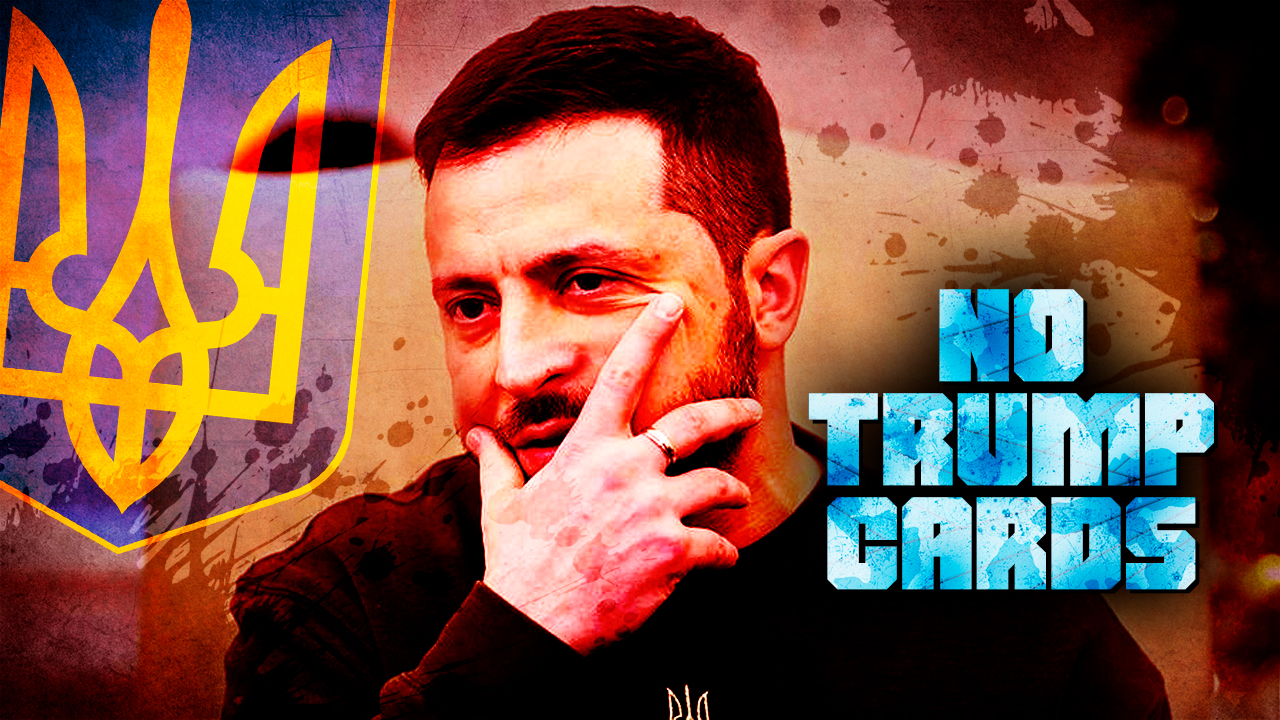
File image.
Ukraine received no advance warning from its partners before five Russian ballistic missiles struck infrastructure in Kyiv, President Volodymyr Zelenskyy said on October 13, raising fresh concerns about intelligence cooperation as tensions between Kyiv and the Trump administration deepen.
Zelenskyy described the attack in a post on X as “particularly vile” and stressed the importance of receiving intelligence from Ukraine’s partners about incoming ballistic missiles.
“This is precisely what helps prevent people from being killed — when there is an early warning about ballistic missiles,” he wrote.
The Ukrainian president did not identify which partners had failed to provide a warning, but the United States is likely playing the main role in providing such intelligence.
His remarks came amid an escalating dispute with U.S. President Donald Trump over Washington’s decision to facilitate Russian diesel exports, its pressure on Ukraine to halt attacks against Russian oil refineries and Trump’s announcement of an energy ceasefire that Kyiv had not publicly agreed to.
Trump announced on October 9 that Russia would supply diesel to the U.S. and global markets following a phone call with Russian President Vladimir Putin.
The agreement marked a reversal of years of U.S. policy aimed at restricting Russian energy revenues following Moscow’s full-scale invasion of Ukraine in February 2022. The U.S. Treasury Department subsequently issued a temporary license easing sanctions on certain Russian diesel shipments.
Zelenskyy criticized the arrangement as “a weak decision, unfortunately, a weak decision by strong partners,” according to a statement released by the Ukrainian Embassy in Washington.
In a separate online statement, he argued that the agreement would benefit Moscow by providing resources to sustain its combat effort.
Trump responded by blaming Ukrainian attacks on Russian refineries for contributing to high American diesel prices and suggesting that Ukraine needed a new president.
The dispute has unfolded as the administration seeks to reduce fuel costs ahead of the November midterm elections, with Trump presenting the diesel arrangement as part of his effort to lower prices and revive negotiations to end the conflict.
The friction intensified further after Trump announced on October 11 that Russia and Ukraine had agreed to an immediate “energy ceasefire,” under which both sides would stop attacking each other’s energy infrastructure.
Neither side had publicly confirmed a finalized agreement when Trump announced it, and Kremlin spokesman Dmitry Peskov said on October 13 only that contacts on the matter were continuing.
Zelenskyy said Ukraine had refrained from attacking Russian oil refineries and other energy facilities during the two days following Trump’s announcement, while accusing Russia of continuing to strike Ukrainian energy infrastructure.
“These are absolutely clear signals that they have no intention of refraining from strikes on Ukraine,” he said.
Against this backdrop, reports have emerged that Washington warned Kyiv it could lose critical military and intelligence support if it continued attacking Russian refineries.
The Washington Post reported on October 12, citing a Ukrainian security adviser and a Western official familiar with the matter, that U.S. officials had urged Ukraine to suspend the attacks and reminded Kyiv of Washington’s role in supplying weapons and intelligence.
The Ukrainian adviser said Kyiv interpreted the message as a warning that Washington “could cut intel and everything going under PURL if you don’t stop.” PURL is a NATO mechanism through which European allies finance purchases of U.S. weapons for Ukraine.
CNN separately reported, citing two European officials, that the Trump administration had warned Ukraine it could suspend intelligence sharing and the mechanism through which European countries purchase American weapons for Kyiv.
Zelenskyy’s latest remarks suggest that the Trump administration may be escalating pressure on Kyiv, with the growing rift potentially beginning to affect the security relationship between the two countries.
_______________________________________________________________________________________________________________________
SouthFront: Analysis and Intelligence
NOW hosted at southfront.press
Previously, SouthFront: Analysis and Intelligence was at southfront.org.
The .org domain name had been blocked by the US (NATO) (https://southfront.press/southfront-org-blocked-by-u-s-controlled-global-internet-supervisor/) globally, outlawed and without any explanation
Back before that, from 2013 to 2015, SouthFront: Analysis and Intelligence was at southfront.com
this deadly “war” is a joo racket