


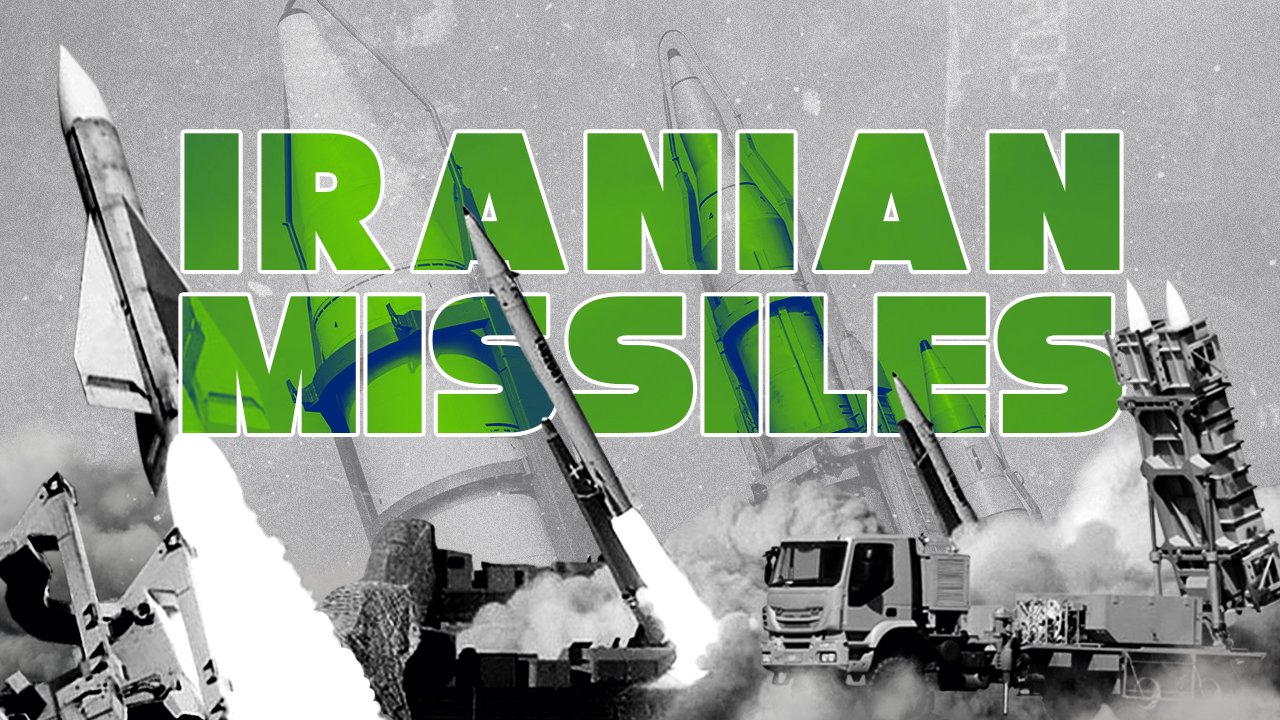
File image.
Satellite imagery and intelligence support provided by Chinese companies have helped Iran improve its ability to target United States military sites and track ships in the Strait of Hormuz, CNN reported on September 25, citing four sources with knowledge of recent American intelligence assessments.
The support has contributed to a marked improvement in Iranian targeting capabilities in recent months, including during a July strike on a U.S. base in Jordan that killed three American service members.
The sources said the Chinese imagery gave Iran a level of precision that U.S. officials believe it would not otherwise have been able to achieve.
Chinese geospatial data has also helped Iranian forces monitor shipping through the Strait of Hormuz, allowing Tehran to better time attacks by drones and missiles against U.S. escorts and commercial vessels, according to the intelligence assessments.
Iranian forces have used large numbers of heat-seeking drones against ships after they reach particular points in the waterway, with Chinese imagery helping them track movements and choose when to attack.
The extent of Beijing’s direct involvement remains unclear. The U.S. sources cited by CNN have not established whether the Chinese government ordered the intelligence support or whether Chinese companies and groups provided it with tacit approval.
The new findings add to a series of reports pointing to growing Chinese assistance that has helped Iran sustain and rebuild military capabilities during the conflict.
The Wall Street Journal reported this week, citing Iranian customs data, that about 1,300 shipments of dual-use components were sent from China to Iran’s Defense Ministry during the first six months of this year. The shipments included electronics, GPS equipment, and electric motors that could be used in drones and missile systems.
Other reporting has alleged more direct military support. Reuters reported in July that Iran had agreed to buy between 300 and 400 Chinese-made man-portable air-defense systems, or MANPADS, in a deal worth an estimated $60 million to $70 million. China rejected the report as groundless, and the sources cautioned that delivery details could change.
Earlier reports also said the U.S. was investigating whether China had provided Iran with a long-range early-warning radar capable of detecting aircraft designed to evade radar.
Washington has already taken action against Chinese companies over alleged assistance to Iran’s military programs. In May, the Trump administration sanctioned three Chinese satellite companies, accusing them of providing imagery that enabled Iranian attacks against U.S. forces in the Middle East.
The latest intelligence assessments suggest that Chinese support has extended beyond the supply of components, potentially giving Iran access to information that can directly improve how its forces identify, track and engage targets in the region.
_______________________________________________________________________________________________________________________
SouthFront: Analysis and Intelligence
NOW hosted at southfront.press
Previously, SouthFront: Analysis and Intelligence was at southfront.org.
The .org domain name had been blocked by the US (NATO) (https://southfront.press/southfront-org-blocked-by-u-s-controlled-global-internet-supervisor/) globally, outlawed and without any explanation
Back before that, from 2013 to 2015, SouthFront: Analysis and Intelligence was at southfront.com
the us coffee pot calling the chinese kettle.