


File image.
Newly obtained photographs published by CBS News on September 15 revealed extensive damage to United States military facilities and equipment in Saudi Arabia and Kuwait following Iranian missile and drone attacks, offering a rare visual record of strikes that have hit American positions across the Middle East.
CBS News said the photographs were provided by active-duty U.S. service members who requested anonymity because of military restrictions on releasing information about the attacks.
Among the most significant images is a photograph from Prince Sultan Air Base in Saudi Arabia showing a Boeing E-3 Sentry airborne early warning and control aircraft destroyed by an Iranian strike. The rear section of the four-engine aircraft, including its tail, appears to have been destroyed, while much of the fuselage is charred.
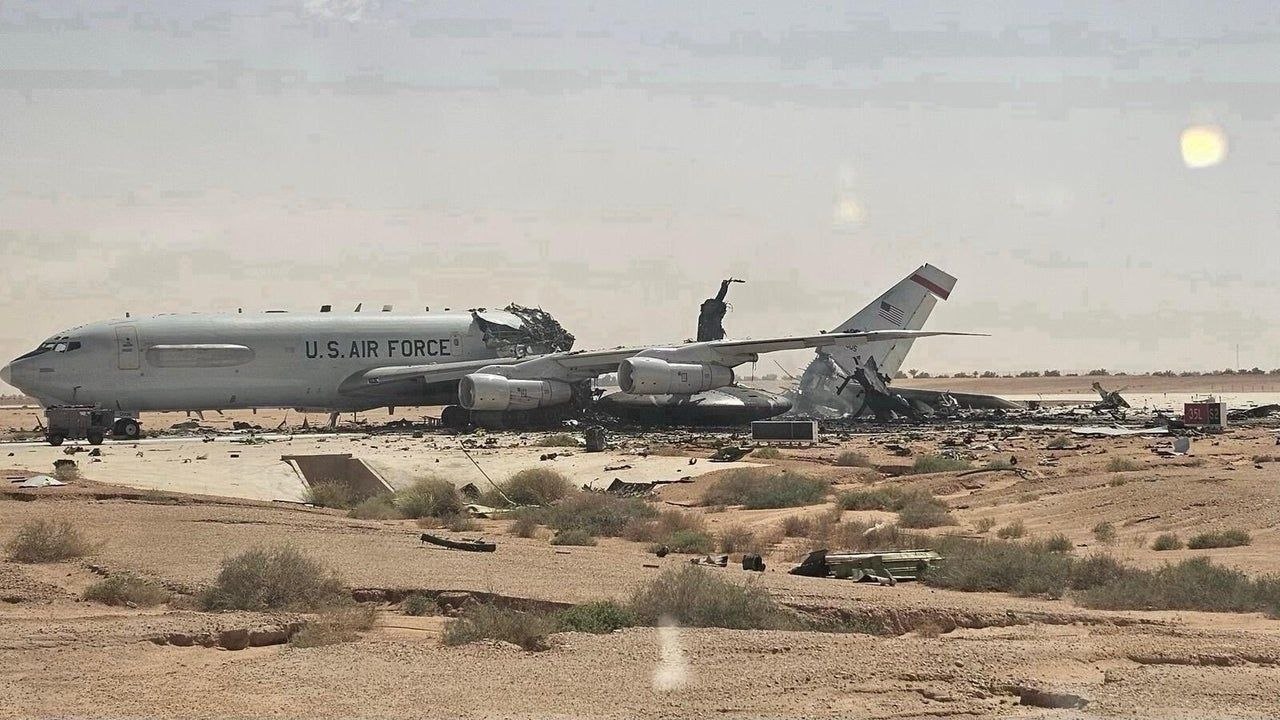
Click to see full-size image. (CBS News)
Other photographs from Prince Sultan show damaged buildings and barracks. CBS reported that some structures were left as hollowed-out shells while nearby concrete T-walls remained standing.
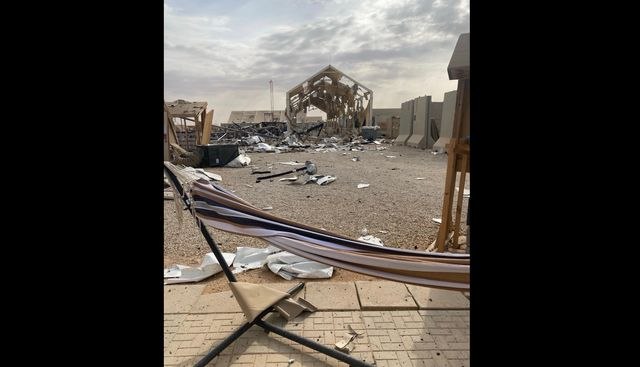
Click to see full-size image. (CBS News)
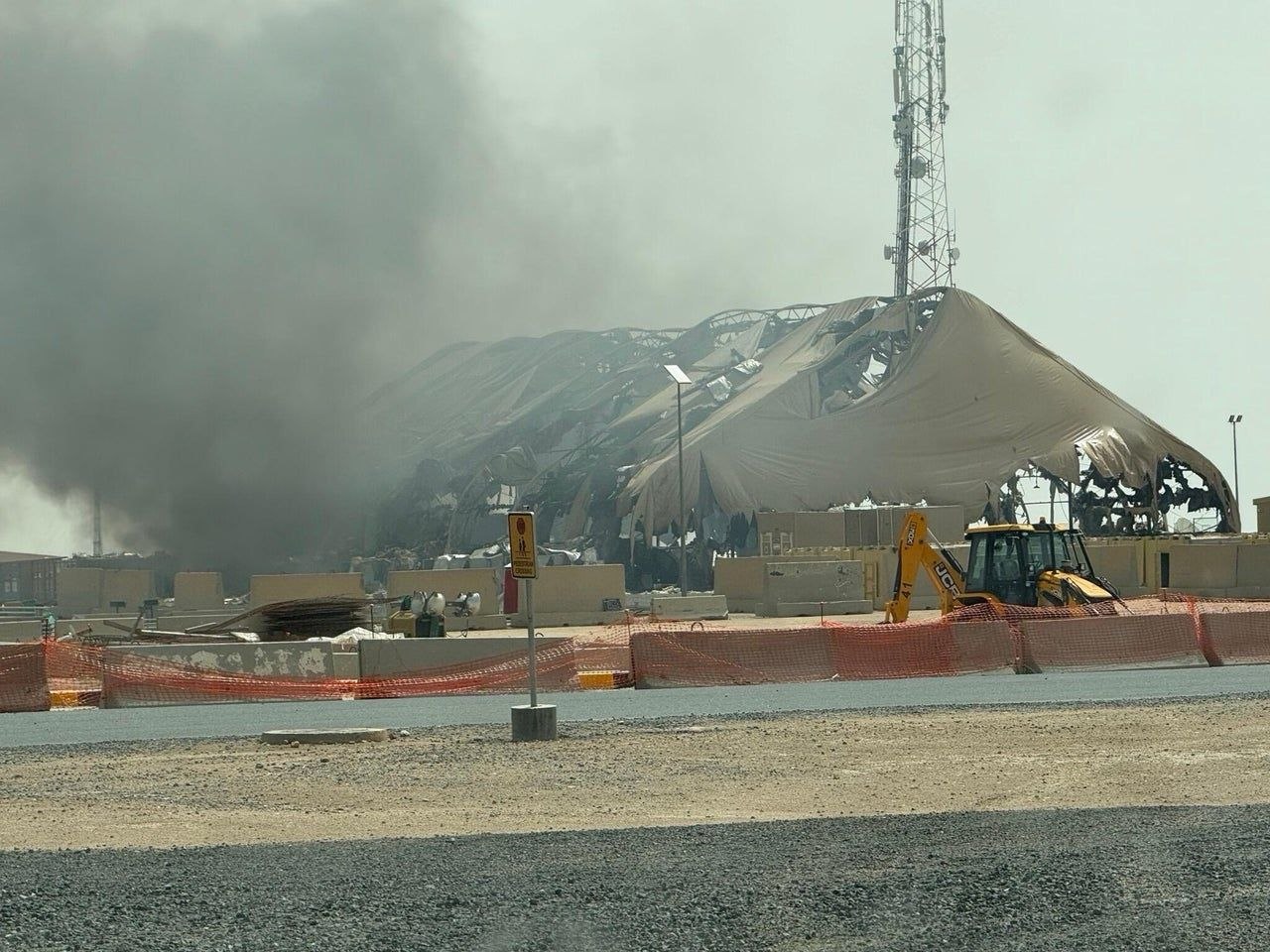
Click to see full-size image. (CBS News)
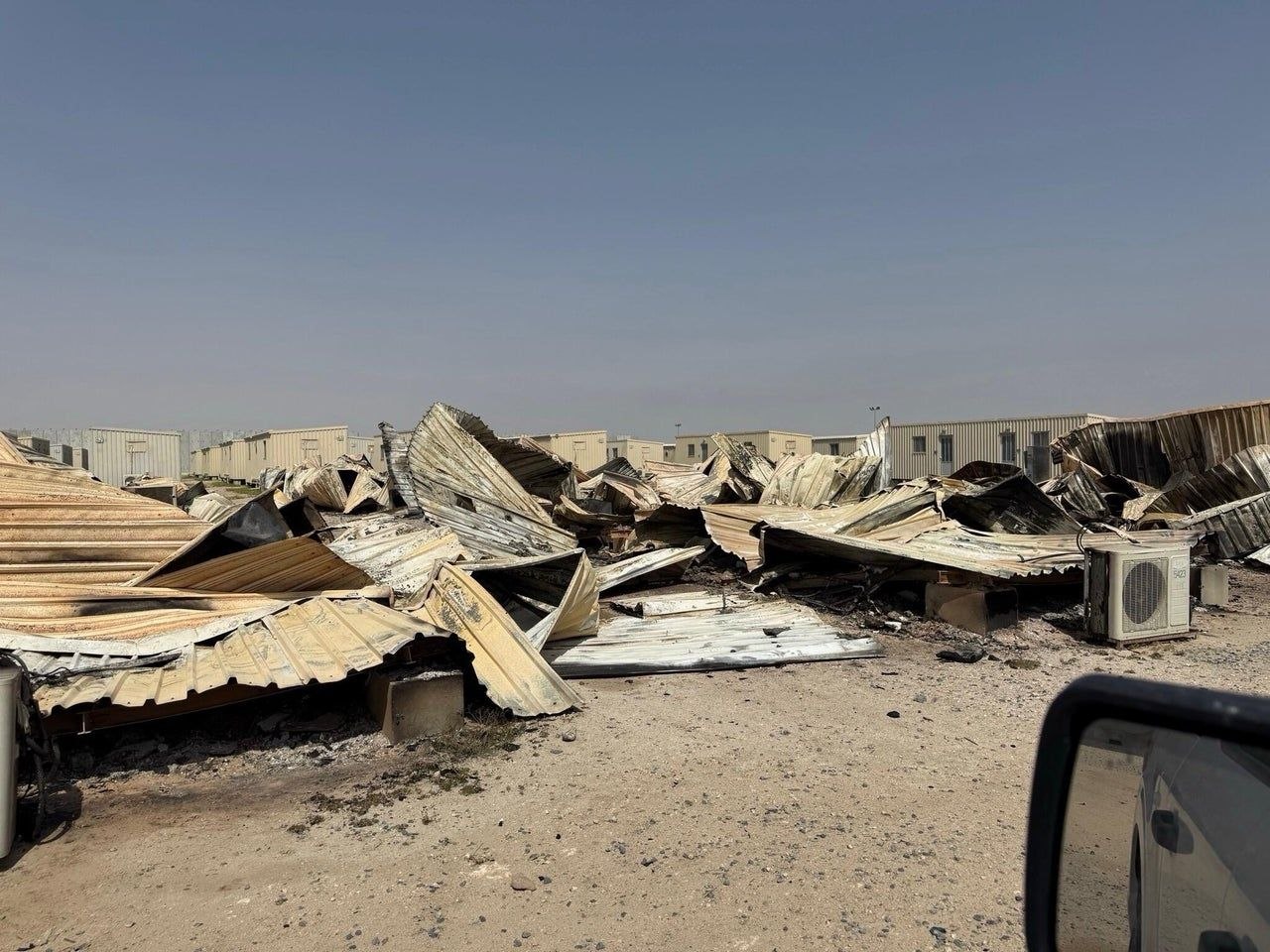
Click to see full-size image. (CBS News)
The images also show damage at Camp Buehring in Kuwait, a major U.S. Army staging area used for troops, armored vehicles and other military equipment. Photographs from the base show destroyed trailers, damaged buildings and a burned-out vehicle. Another photograph shows damage at Camp Arifjan, another major U.S. military installation in Kuwait.
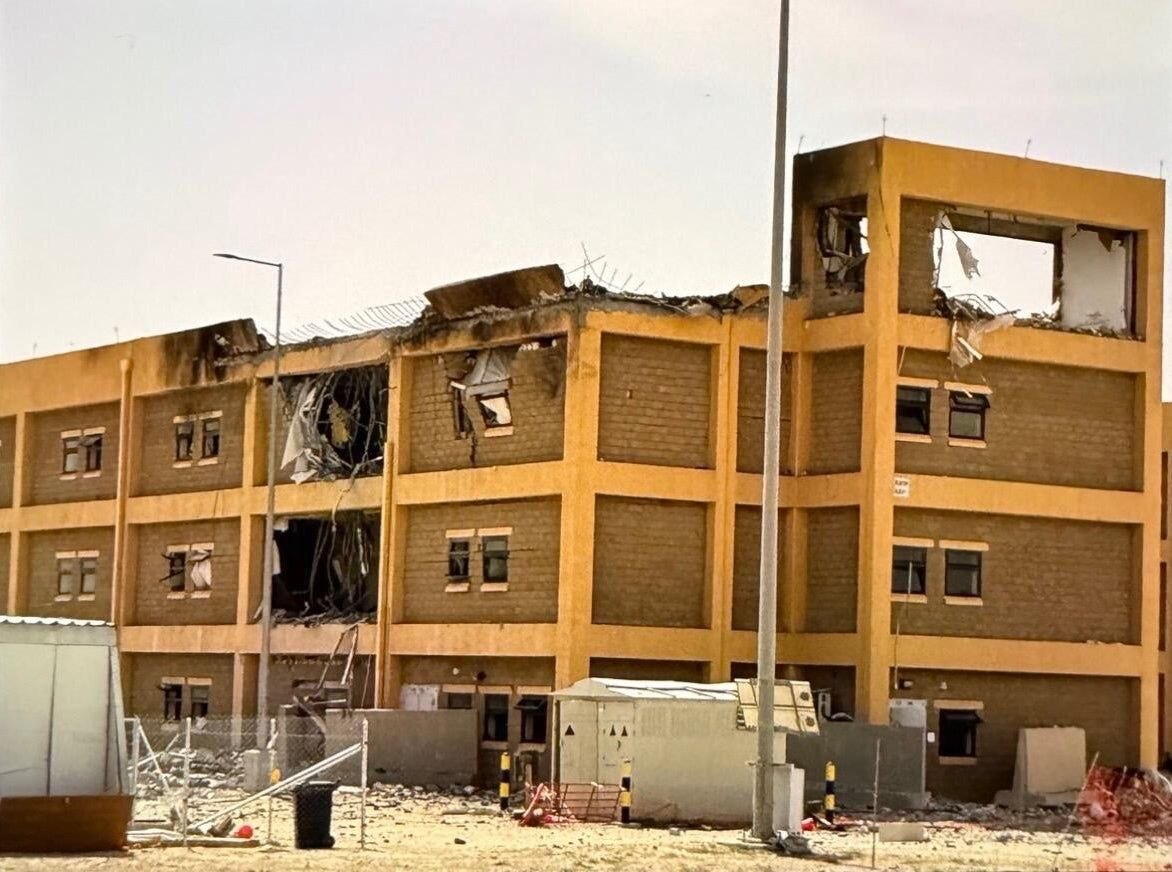
Click to see full-size image. (CBS News)
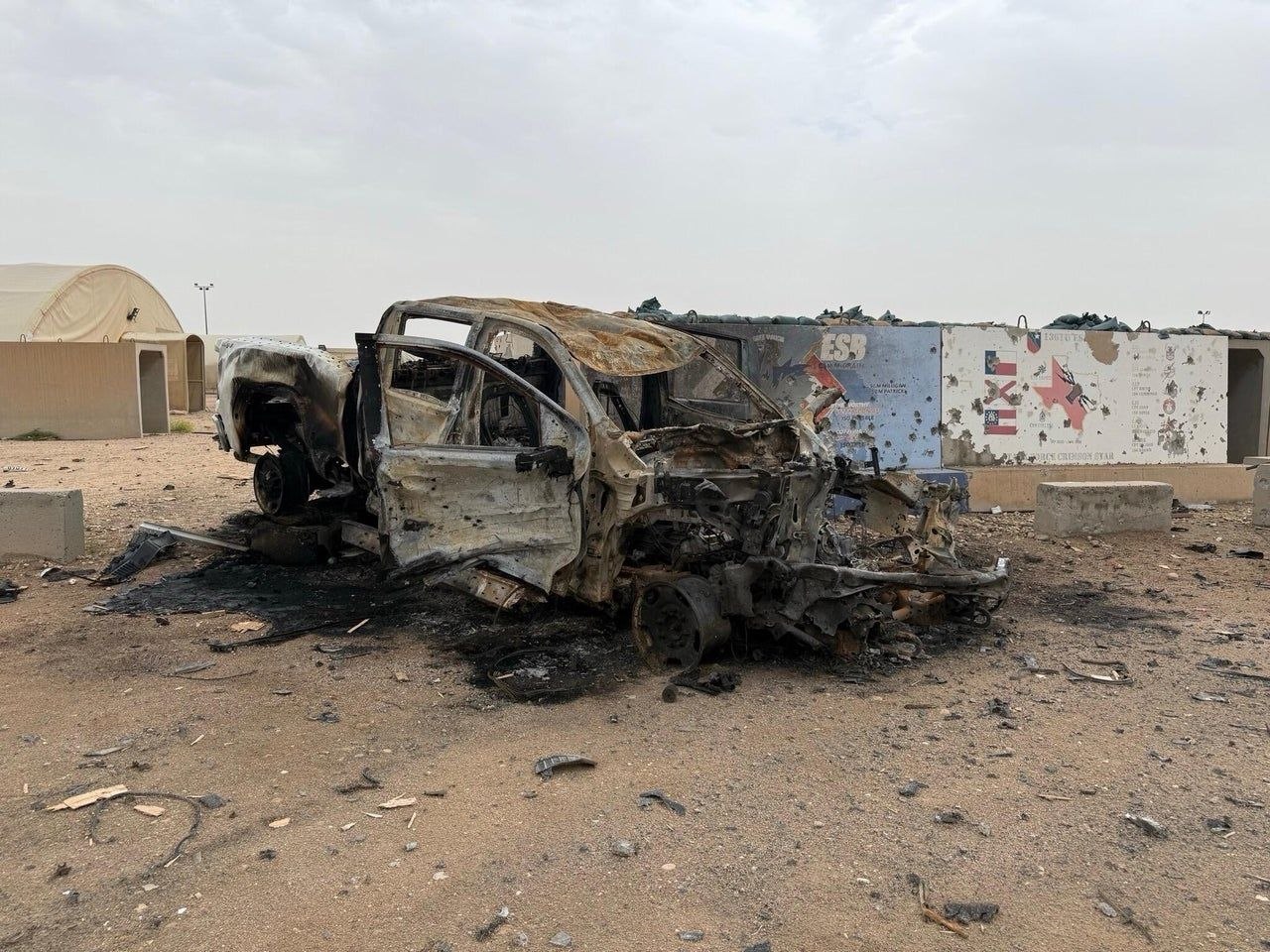
Click to see full-size image. (CBS News)
The photographs come as a U.S. government inspector general report has provided a broader accounting of the physical damage caused by Iranian attacks. The report, covering April 1 through June 30, said Iranian strikes damaged or destroyed hundreds of buildings and other structures at U.S. bases in Kuwait, Bahrain, Qatar, the United Arab Emirates, Saudi Arabia, Iraq, Oman and Jordan.
Iranian attacks damaged or destroyed dozens of U.S. aircraft and drones, including as many as 30 MQ-9 Reaper drones, according to the report, which also notes that seven KC-135 aerial refueling aircraft were also damaged or destroyed, five of them after being struck while on the ground in Saudi Arabia.
The attacks also affected U.S. logistics. The inspector general said an Iranian strike on a U.S. naval logistics hub in Bahrain forced Central Command to shift supply routes to more distant facilities, including the U.S.-British base at Diego Garcia in the Indian Ocean. The resulting logistics cycles took 14 to 18 days, per the report.
CBS News’ photographs provide additional detail to the official assessment by showing the condition of individual facilities and vehicles after the attacks.
One U.S. service member told the network that the extent of the damage had not been adequately communicated to the American public and criticized the effectiveness of defenses at the affected bases.
The inspector general’s report estimated that equipment losses from the conflict reached as much as $3.7 billion. It also identified shortages in advanced weapons inventories and bottlenecks in the U.S. industrial base.
The newly released photographs therefore add a visual dimension to the official figures, documenting damage to aircraft, buildings, vehicles and other equipment at two of the principal U.S. military hubs targeted by Iran amid the war, which has turned into a low-intensity conflict.
_______________________________________________________________________________________________________________________
SouthFront: Analysis and Intelligence
NOW hosted at southfront.press
Previously, SouthFront: Analysis and Intelligence was at southfront.org.
The .org domain name had been blocked by the US (NATO) (https://southfront.press/southfront-org-blocked-by-u-s-controlled-global-internet-supervisor/) globally, outlawed and without any explanation
Back before that, from 2013 to 2015, SouthFront: Analysis and Intelligence was at southfront.com
MORE ON THIS TOPIC: