


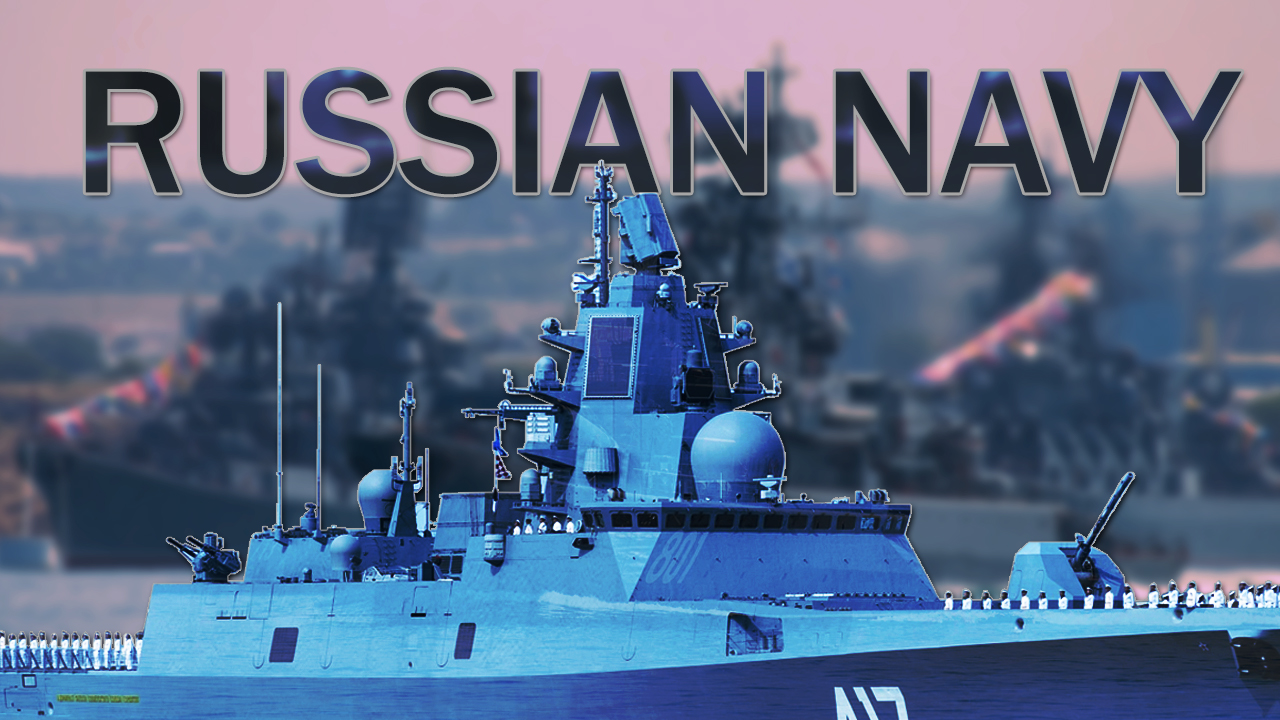
File image.
Russia’s Pacific Fleet carried out a live-fire missile exercise off the Southern Kuril Islands, executing coordinated strikes against simulated enemy warships positioned over 300 kilometers away.
In a statement issued on August 20, the Russian Ministry of Defense said the drill involved fleet elements hitting designated naval targets, noting that the guided-missile cruiser Varyag launched two Vulkan anti-ship missiles while the nuclear-powered submarine Omsk fired Granit cruise missiles.
According to the ministry, a land-based Bastion coastal missile system stationed on the islands simultaneously launched an Oniks missile to complete the multi-domain operation.
The exercise showcased a heavy inventory of long-range supersonic anti-ship weaponry featuring distinct technical profiles.
The P-1000 Vulkan launched from Varyag utilizes titanium airframe components, a solid-fuel booster paired with a turbojet sustainer engine, a top speed of Mach 2.8, and a heavy 1,000-kilogram high-explosive or 350-kiloton nuclear warhead designed to operate in coordinated salvo tactics.
Meanwhile, the P-700 Granit fired from Omsk is a 7-ton heavy anti-ship missile measuring 10 meters in length that reaches speeds exceeding Mach 2.5 at high altitudes and carries a 750-kilogram explosive payload or a 500-kiloton nuclear warhead.
Concurrently, the mobile Bastion coastal defense system fired the P-800 Oniks supersonic cruise missile, which is powered by a ramjet motor, achieves speeds up to Mach 2.5, and employs an active radar homing seeker with advanced electronic countermeasures resistance.
Japanese Foreign Minister Toshimitsu Motegi, speaking to reporters following his return from diplomatic engagements abroad, immediately condemned the show of force.
Motegi stated that “Russia’s military buildup on the four Northern Islands runs counter to Japan’s position and is unacceptable,” according to Kyodo News.
In addition, Tokyo lodged formal diplomatic objections viewing the Russian maneuvers as an “intentional intimidation tactic.”
The military drills follow a severe diplomatic rupture triggered by Russian President Vladimir Putin’s mid-August visit to Iturup Island, which marked his first trip to the chain as a sitting head of state.
While Tokyo denounced the presidential tour as an infringement on its sovereignty, Moscow rejected the protests, summoning the Japanese ambassador to object to what it termed hostile statements regarding domestic travel.
The underlying territorial dispute stems from the closing weeks of World War II, when Soviet forces seized the four southernmost islands—termed the Northern Territories in Japan and the Southern Kurils in Russia. Because Tokyo claims sovereignty while Moscow asserts that its control is a settled legal outcome of the war, the two nations have never signed a formal post-WWII peace treaty.
Bilateral relations have deteriorated sharply since Japan joined G7 partners in imposing broad economic sanctions on Moscow following the start of the special military operation in Ukraine, leading Russia to designate Japan an unfriendly state, suspend peace negotiations, and expand military activities in the Far East.
_______________________________________________________________________________________________________________________
SouthFront: Analysis and Intelligence
NOW hosted at southfront.press
Previously, SouthFront: Analysis and Intelligence was at southfront.org.
The .org domain name had been blocked by the US (NATO) (https://southfront.press/southfront-org-blocked-by-u-s-controlled-global-internet-supervisor/) globally, outlawed and without any explanation
Back before that, from 2013 to 2015, SouthFront: Analysis and Intelligence was at southfront.com