


Click to see the full-size image
Throughout the week, Russia and Ukraine continued their daily exchange of strikes. Russian forces focused on systematically targeting the railway network, logistics hubs, energy facilities, and port terminals, while Ukraine made massive attempts to attack fuel and fuel-energy-chemical facilities on Russian territory.
Strikes on Ukraine
During the week, the main targets of Russian strikes were three interconnected elements of the Ukrainian military machine: railway logistics, energy infrastructure, and weapons storage and repair facilities.
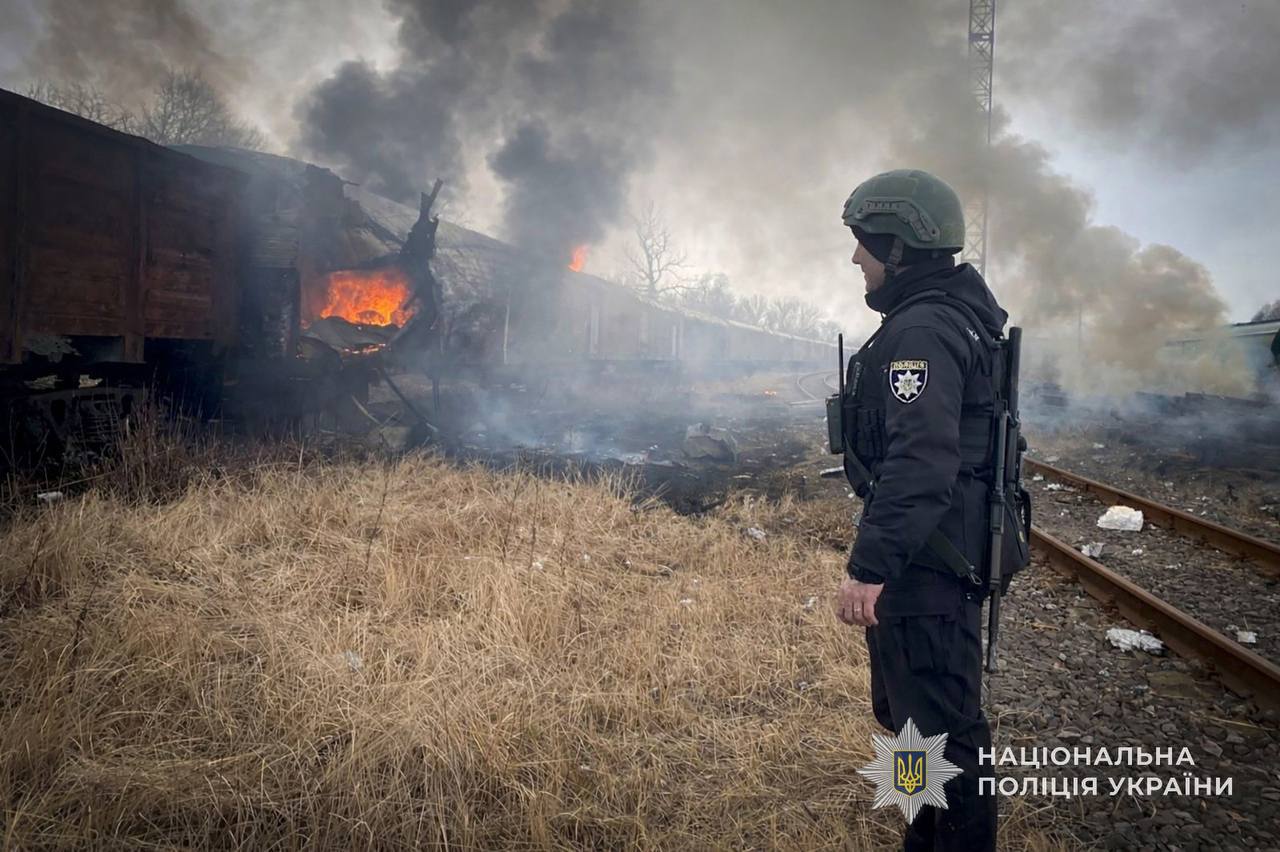
Strikes on railway stations in the Sumy, Chernihiv, Dnipropetrovsk, and Mykolaiv regions were systematic—affecting not only cargo trains but also service infrastructure: locomotive depots, inspection points, and signaling cable lines. This approach aims to reduce the capacity of hubs involved in the transfer of reinforcements and ammunition.
Simultaneously, strikes were carried out on power generation facilities and the gas transportation system—from 330 kV substations to compressor stations. The disabling of transformers and distribution nodes creates long-term problems with electricity supply for industrial facilities involved in military orders.
A separate line of attack targeted port infrastructure in the Odesa region, particularly Chornomorsk, where ships used in the alternative Black Sea corridor for transporting dual-use goods were hit.
March 16–17: Logistics Under Attack
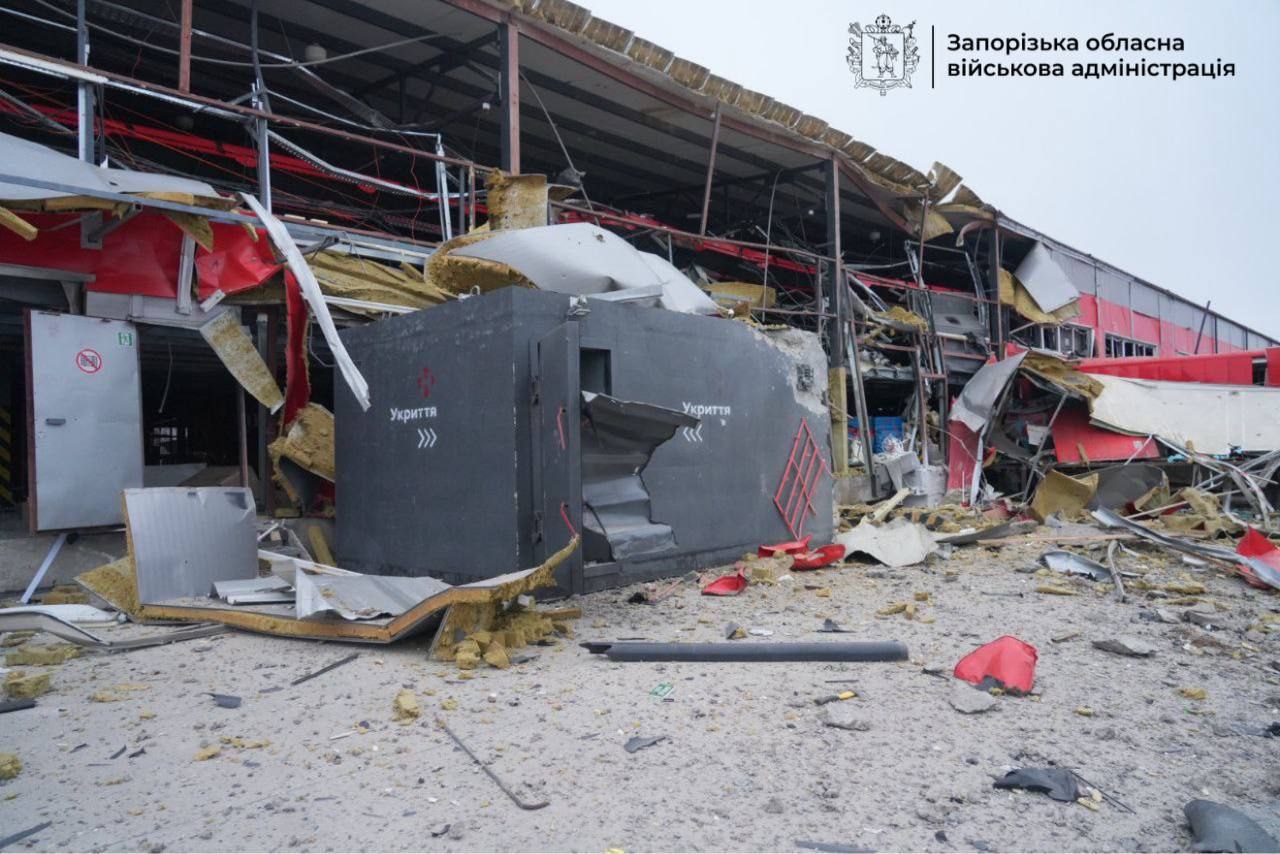
In Zaporizhzhia, a Tornado-S missile struck a Nova Poshta military warehouse—a logistics network facility used for the redistribution of materiel.
Click to see the full-size image
In the Sumy region, strikes hit temporary deployment points of Ukrainian Armed Forces units, a front-line headquarters near Yunakivka, and railway logistics. Two Caesar self-propelled artillery systems and field depots were destroyed.
In Kharkiv, the Malyshev Plant was attacked, where, according to sources, tanks were being repaired. In the Dnipropetrovsk region, Geran drones struck railway stations in Synelnykove and Petropavlivka, disabling two locomotives.
However, the key event of that day was the Ukrainian side’s report that Russia had used loitering munitions with artificial intelligence elements—the Lancet—for the first time in a strike on Kyiv. One of the devices reportedly fell in the Maidan area. According to available information, the drone was configured for swarm use: autonomous navigation, target acquisition, and striking without direct communication with the operator. Markings in the form of colored circles were recorded on the casing, similar to those previously observed on Russian autonomous drones of the V2U type.
If this data is confirmed, it points to a significant technological shift. The use of autonomous algorithms allows drones to continue their mission even under active electronic warfare, which has become one of the primary methods of countering drones. The main value of such systems lies not so much in the accuracy of an individual strike, but in the ability of a coordinated group of drones to overwhelm air defense systems and seek out vulnerable targets without constant operator involvement. Lancets with AI elements reportedly appeared on the battlefield last year, followed by a pause in their use, but now their deployment has resumed.
March 17–18: Izmail Port and the Railway Network
On the night of the 18th, the main events were strikes on Izmail. At the DunaiskBudRekonstruktsiya port, a substation, warehouses with unmanned surface vessels (USVs), as well as IRIS-T and Gepard air defense systems were hit. During the attack, a ship carrying military cargo was struck: part of the cargo spilled into the Danube, and the ship, heavily listing, sailed to Romania. This episode demonstrated that port infrastructure on the Danube remains a focus of Russian attention as an alternative logistics route.
During the same period, a series of strikes were carried out on military logistics facilities, energy infrastructure, and support infrastructure of the Armed Forces of Ukraine. In the Sumy region, in Kyrykivka, a strike hit the area near the railway station—a hub for transshipping military cargo, including ammunition and engineer equipment. In Trostianets, a strike hit the Trostianets-Smorodyne railway station, damaging the locomotive inspection point building and part of the diagnostic complex.

Click to see the full-size image

Click to see the full-size image
Click to see the full-size image
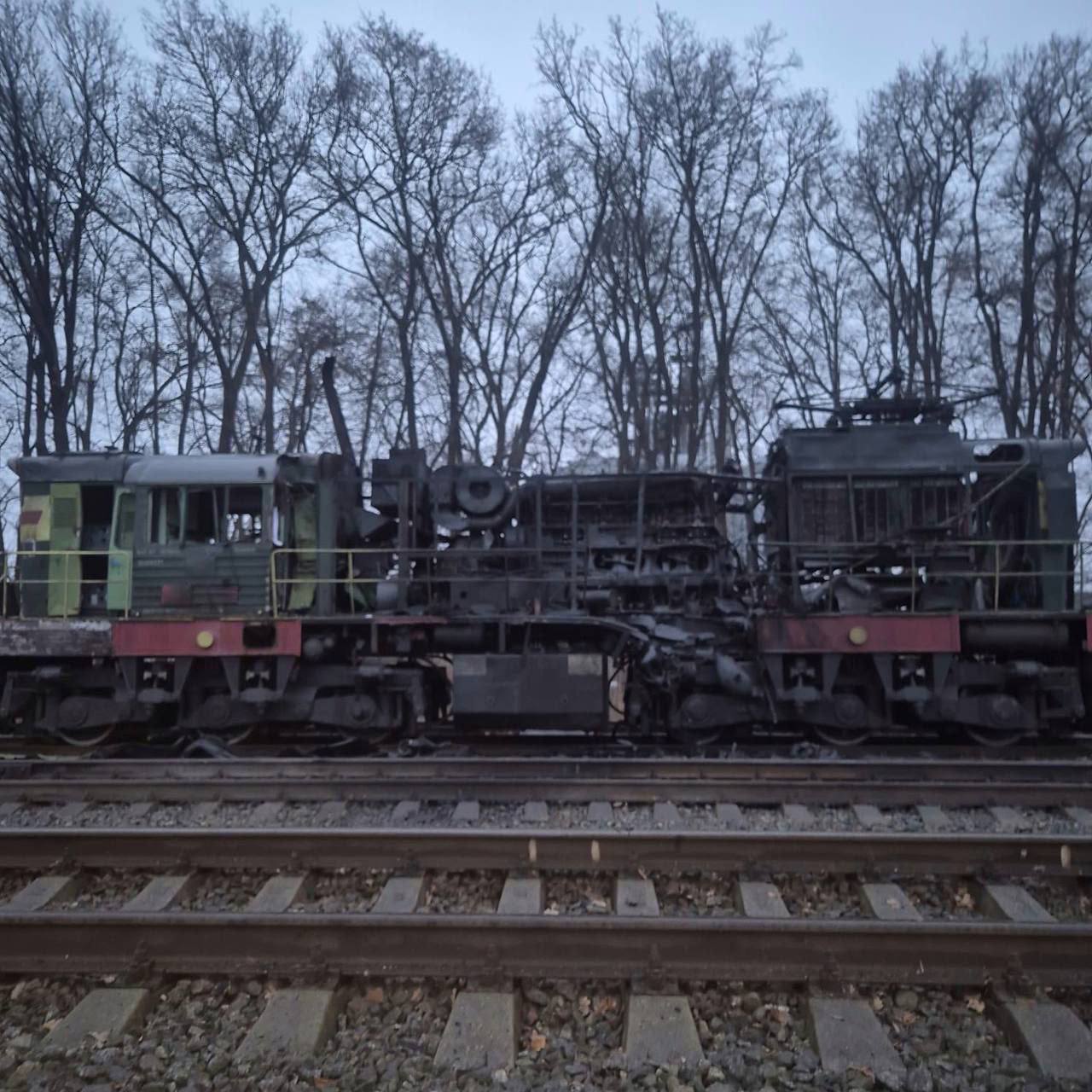
In the Chernihiv region, a drone struck the territory of an industrial enterprise in Rohozky, which was being used as a support site for engineering units. A T-150K tractor, used for fortification work, and outbuildings serving as an engineer equipment warehouse were damaged. In Mena, a shunting locomotive was damaged, limiting the station’s ability to handle military trains.
In Kramatorsk (DPR), a strike hit the temporary deployment area of the Unmanned Systems Unit of the 12th Special Purpose Brigade of the National Guard of Ukraine. A mobile control module, antenna equipment, and elements of a ground control station were hit, leading to a temporary disruption of the UAV control system and a reduction in the intensity of reconnaissance and strike drone use in that sector.
In the Odesa region, four strike UAVs hit the territory of the Berezivka gas distribution station—a backup energy infrastructure facility. A strike also hit the Oleinykove railway station in Antonivka, Mykolaiv region.
March 18–19: SBU in Lviv and Energy in Volyn
On the night of March 19, the range of targets expanded. In Lviv, the building of the Main Directorate of the Security Service of Ukraine was hit, and the Sknyliv military airfield, home to an aircraft repair plant, was also attacked. In Volyn, a strike hit an energy facility, causing power and water supply disruptions in the region.
During this same period, a series of strikes were carried out on logistics support facilities. In the Kharkiv region, in Artemivka, a UAV strike hit the territory of a farm that had been converted into a concealed logistics warehouse.
In the Zaporizhzhia region, strikes targeted the concentration areas of the 142nd Separate Mechanized Brigade and the 5th Separate Assault Brigade. According to preliminary data, casualties among military personnel were recorded, shelters were destroyed, and communication elements, including Harris and Motorola radios, were damaged. In the same region, in Novosoloshyno, a strike on the deployment area of the 225th Separate Assault Regiment damaged a Dutch-made YPR-765 armored vehicle.
In Volyn, in Budiatychi, a strike hit the Novovolynsk 330 kV substation. An autotransformer with a capacity of up to 200 MVA was hit, cooling system radiators were destroyed, and current transformers and disconnectors were damaged. Disabling a transformer of this class requires months of replacement work.
In Odesa, a strike hit the territory of Infoxvodokanal. A packaged transformer substation that powers pumping stations was damaged, 18 trucks and three specialized emergency vehicles were disabled.
In the Kirovohrad region, in Sharivka, a strike on a 150 kV traction substation destroyed an oil circuit breaker, damaged a power transformer, and destroyed three transformer oil reservoirs.
March 19–20: Gas Processing and Chornomorsk Port
On the night of March 20, strikes continued. In the Dnipropetrovsk region, railway infrastructure in Vasylkivka and Synelnykove came under fire. Objective control recorded hits on the Snihurivka oil pumping station in the Mykolaiv region, the Ohneuporna-2 electrical substation in the Zaporizhzhia area, and the KhFTI electrical substation in the Kharkiv region.
In the Poltava region, a UAV strike hit the territory of the Hlynsko-Rozbyshivske unit of the Kachanivka gas processing plant, owned by Ukrnaftа. The facility is part of the hydrocarbon processing system and supplies commercial gas and condensate to distribution networks used to supply industry and infrastructure, including military installations.
In the Dnipropetrovsk region, in Apostolove, a strike targeted the position of a German-made IRIS-T SLM surface-to-air missile system. Despite no confirmed losses, the impact on the area of the launchers and radar module led to the system being temporarily taken off combat duty and reduced air defense density in that direction.
In the Mykolaiv region, a strike on the Rybakivka 35 kV substation caused a power transformer fire and destroyed oil-filled components.
The most detailed episode was a series of strikes on the Chornomorsk Commercial Sea Port in the Odesa region. The Transgrainterminal LLC area was hit, damaging the administrative building, as well as vessels and berthing infrastructure. The bulk carrier GOZO (Palau flag) sustained damage to its upper deck and cargo hatch elements, while the shockwave opened the cargo hold of the neighboring vessel, Princess Fayzah (Barbados flag).
An analysis of the GOZO’s route showed that the Handysize-class vessel (169 meters long, deadweight approximately 28,400 tons) had previously operated on the Eastern Mediterranean – Black Sea route. Between March 10 and 14, it was in the Istanbul anchorage area, after which it proceeded to the northwestern part of the Black Sea and entered the port of Chornomorsk on March 17–18. The vessel had previously been part of the Black Sea Grain Initiative, passing through the Joint Coordination Centre’s control mechanism. After the grain deal collapsed, such vessels became the backbone of the alternative maritime corridor. The nature of its port calls, the synchronization of voyages with periods of increased external military aid, and the use of routes via Sulina (Romania) suggest the vessel’s use was military-logistical.
March 20–21: Energy Collapse and Bridge Strikes
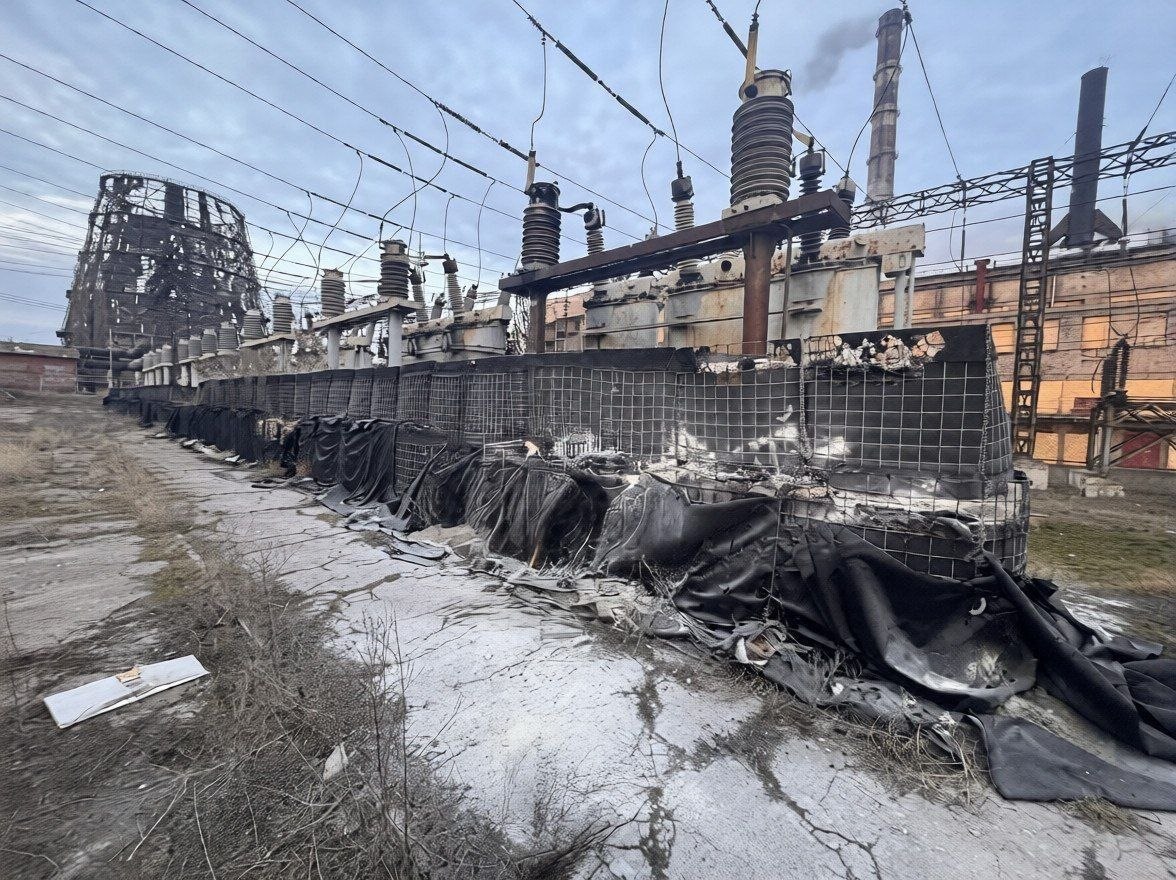
The final days of the week brought new strikes on energy infrastructure. At least 15 Geran drones attacked the Trykhaty substation in the Mykolaiv region. In Kramatorsk, a guided bomb strike damaged the 110 kV distribution node at the Kramatorsk TPP, after which the city lost power.
Click to see the full-size image
In the Chernihiv region, in Nizhyn, a UAV strike hit the territory of the Nizhynska 330 kV substation. The power system was placed into backup-loaded mode, creating long-term risks of energy supply instability in the region.
A bridge in the Chervonyi Oskil area of the Kharkiv region was also hit, and a large fire broke out in Zaporizhzhia following a strike.
On March 20–21, strikes were also carried out on railway logistics and communication systems. In the Sumy region, in Trostianets, strikes hit the territory of the locomotive depot at the Trostianets-Smorodyne station. The facility lost its ability to fully service locomotives. In the Dnipropetrovsk region, in Vasylkivka, a UAV strike hit a temporary storage site for property belonging to the communications group of the headquarters of the 122nd Territorial Defense Brigade of the Armed Forces of Ukraine.
Strikes on Russia
Ukrainian forces also actively operated on Russian territory. On March 19, Sevastopol repelled UAV attacks both during the day and at night; 27 drones were shot down overnight. Operational control recorded an attack on the Almaz-Antey concern in Sevastopol—an enterprise that services and repairs S-400, S-300, Buk, Tor air defense systems, and various radar stations.
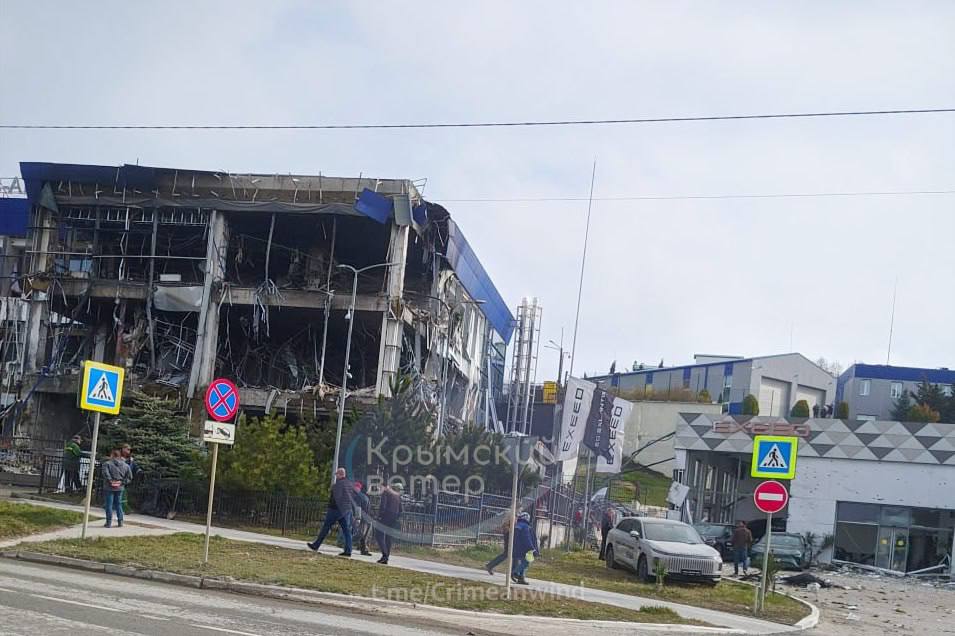
Click to see the full-size image
In the Stavropol Krai, the industrial zone of Nevinnomyssk came under attack, including the Azot chemical plant, which had been targeted the previous week.
On the night of March 20–21, the Armed Forces of Ukraine conducted one of the largest attacks since the beginning of the year. A total of 283 drones were destroyed. Drones were shot down near oil refineries in Ufa; two of them crashed into a residential building under construction.
Drones attacked an oil refinery in Saratov. The General Staff of the Armed Forces of Ukraine claimed responsibility for the strike on the Saratov Oil Refinery, reporting damage to a secondary oil processing unit and a vertical tank. Also, according to preliminary data, the Togliattiazot chemical plant in the Samara region was hit.
Despite the intensity of the exchange of strikes and Ukraine’s own difficulties in combating Russian drones and missiles, Kyiv continues to offer its “drone technologies” to Washington. President Zelensky has repeatedly made such proposals, but Donald Trump has refused several times in quite harsh terms.
The reasons for this skepticism were revealed by the head of one Ukrainian drone manufacturing company. According to him, it is necessary to distinguish between two topics: the experience of using different types of drones in combat conditions—where Ukraine has indeed gained vast experience—and the production of drones. In the sphere of production, the Ukrainian industry is essentially assembly from Chinese components.
“What is called ‘drone production in Ukraine’ is, by and large, assembly from Chinese parts. Yes, there are some very successful assembly configurations. But fundamentally, it’s still the same Chinese construction set. The basis of the technology is Chinese,” he noted.
If Washington had agreed to exchange drones assembled from Chinese parts for American missiles, it would have been the “deal of the century” for Ukraine. However, the United States itself is striving to launch a full-cycle drone production to eliminate dependence on China, and in this process, Ukraine is unlikely to offer anything critically important, except the ability to serve as a testing ground for new models.
In parallel, Ukrainian diplomacy allows itself to view Israeli air defense systems with skepticism. Ukraine’s Ambassador to Israel, Yevhen Korniichuk, stated in an interview with Glavkom that the Israeli air defense system was not designed for the type of strikes Iran is currently conducting, calling it “more about marketing.” According to him, the level of ballistic target interception in Israel is roughly the same as in Ukraine. At the same time, the ambassador acknowledged that Ukraine has more experience in shooting down drones, while Israel, thanks to cooperation with the United States, has more experience in shooting down ballistic missiles.
Thus, the week of the exchange of strikes demonstrated a stable trend: Russia continues to systematically destroy Ukrainian logistics and energy infrastructure, while Ukraine focuses on striking oil refining and chemical facilities deep within Russian territory.
MORE ON THE TOPIC:
i thought ukraine was “on the verge of collapse”?
lying orc shitstains…heheheh
humiliated by 🇷🇺 the inferior americunt tantrums😭
americunts cannot think–you are inferior species ugly stupid…”stupidity is a virtue in americuntstan”. charles pierce
ukrainian attacks againts russian industrial plants without advancing and taking cities in ukraine means a defeat unless putin& gerasimov star to demolish kiev and the bridges over dnieper.
not advancing means a defeat for russia
obviously a dumb inferior americunt hillbilly
the result of almost 1 year “hammering” and “destroying” ukrainian energy is that ukraine has now 100% electricity available and plans to export electricity again in may. that’s why russian osint lostarmor stopped reporting on damages to ukraine energy system, all reports were lately 95+ % electricity available. russia wastes very expensive missile to hit only transformers and substations that ukraine can fix within 24-48 hours. who is in charge of this clown circus?
another dumb americuntb liar–tiresome inferiors
“russia defeated us 3 years ago in ukraine. everything the us govt and media reports is a lie”. col douglas macgregor ph.d
“the ignorance and stupidity of americnts has long been a topic of hilarity in europe”. paul fussell