


Click to see the full-size image
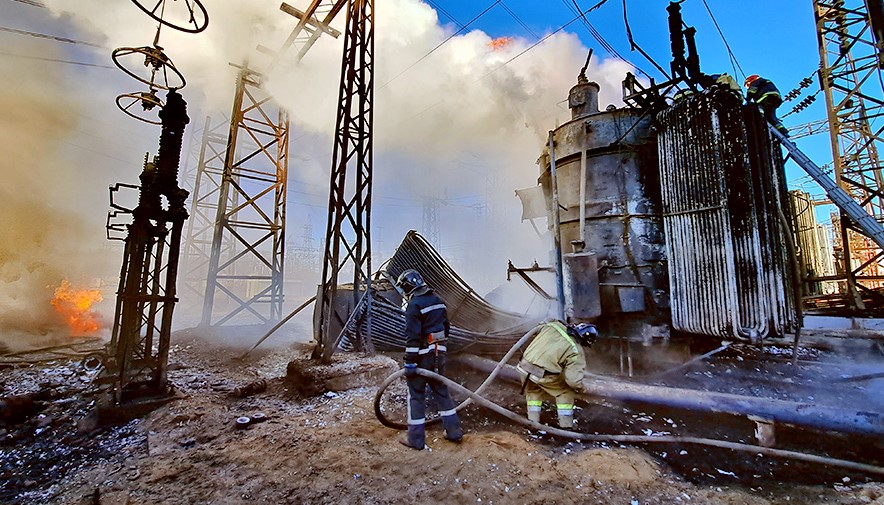
Amid preparations for bilateral talks between Russia and Ukraine in Abu Dhabi—scheduled for early February—the information space is buzzing with talk of a temporary halt to strikes on critical infrastructure, dubbed an “energy truce.” There’s no official confirmation yet, but rumors are gaining traction from on-the-ground observations and statements from individual sources.
According to reports circulating in Telegram channels, an oral directive has been in effect since January 29, barring Russian forces from striking energy infrastructure across Ukraine—including targets in Kyiv and the Kyiv region. The restriction reportedly runs until February 3, tied to the Abu Dhabi talks, which Russian Presidential Spokesman Dmitry Peskov said could last two days. Peskov declined to comment on the truce reports, stating only: “I cannot comment on this yet.”
In a related development, President Donald Trump claimed during a Cabinet meeting that he personally asked Vladimir Putin not to shell Kyiv and other cities for a week—and that the Russian leader agreed. This statement from the U.S. President adds a new layer of political context to the swirling rumors of an “energy truce.”
This speculation emerged against the backdrop of Kyiv’s dire humanitarian crisis: with frosts down to -25°C forecast, infrastructure damage in areas like Troieshchyna has triggered heating shortages. If real, the truce could be a “goodwill gesture” to ease tensions before talks—part of broader political bargaining to pave the way for deeper diplomatic deals.
Practical observations cited by proponents of the truce theory include a noticeable reduction in the number of downed Ukrainian drones reported in morning summaries and the absence of reports about massive strikes on energy facilities. Skeptics, however, point to the lack of official confirmation and the questionable nature of the primary sources.
Click to see the full-size image
Click to see the full-size image
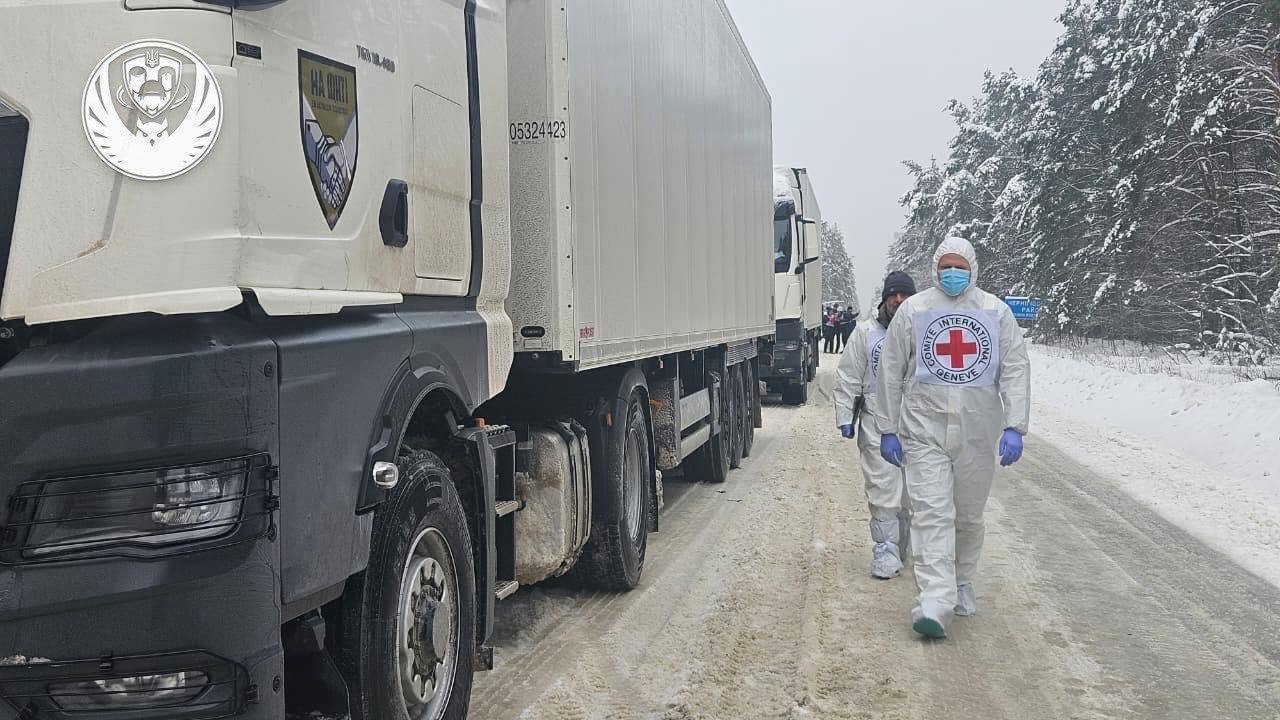
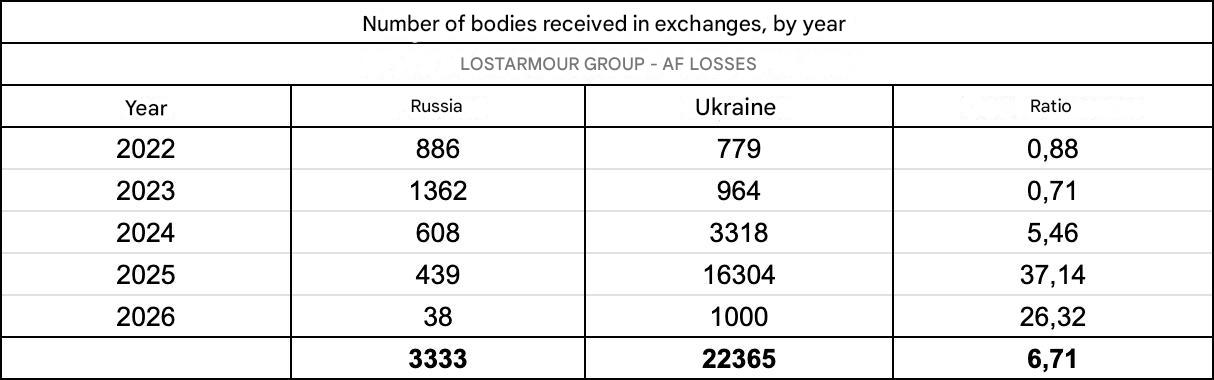
Parallel to the truce discussion, another exchange of fallen soldiers’ bodies took place. On January 29, Russia transferred 1,000 bodies to Ukraine, receiving 38 in return. This is the first such exchange in 2026. In total, over the entire period of such actions, 22,365 bodies have been returned to Ukraine, and 3,333 to Russia.
The events of the past days paint a picture of parallel diplomatic tracks. Though distinct, the concrete body exchange and the speculative “energy truce” coincide in a single aim: to ease tensions before the Abu Dhabi talks.
MORE ON THE TOPIC:
“in a related development, president donald trump claimed during a cabinet meeting that he personally asked vladimir putin not to shell kyiv and other cities for a week—and that the russian leader agreed”
– but trump for his part would not bring back maduro or stop war preparations against iran?
typical trolling trash.
all americunts are inferior species jizz swallowing trash
how about stopping hi-jacking russian oil? how about return the 300 billion stolen from russia? whenever putin makes a deal with his partner/boyfriends it seems russia gets absolutely nothing.
or cease his blockade on cuba
good will gestures towards nazis and terrorists… ruaf soldiers will soon march not to kiev but to moskva, to take down gerontocrats that give bjs tô amerikunts!
ramses tom sawyer narrative etcetera.
better then the abrahamovich surrender monkey narrative
just more senseless garbage from the genius that brought everyone minsk1 & minsk2
you said it ramses. senseless garbage
the oligarch regime in moscow is an embarrassment to russians
from a world power to a regional power that can’t handle an enemy on its doorstep, what a great achievement for the yeltsinites
auntie vanya is pride of her americunt lgbt trailer park
the americans supply 90% of the weapons used to kill russian civilians but somehow the brilliant one in moscow and the entire oligarch class wants to playact like trump is some great guy, what utter nonsense.
“electricity powers the command and control systems. if president milošević really wants all his people to have water and electricity, then all he needs to do is accept nato’s five conditions, and we will stop this campaign. but until he does this, we will continue to attack those targets that supply electricity to his armed forces. if this has civilian consequences, then let him deal with it himself”, – stated nato’s official representative jamie shea in 1999
thats how the rulers of the world fight, and it didn’t take them four years to complete a minimal objective. who would have thought in 2022 that parts of donesk would still be under bandera control?
can anyone name any other country or situation in world history where a country that was at war sells the enemy raw materials that helps the enemy fight against them? its even stranger when the enemy doesn’t pay for the oil and gas and has recently stolen 300 billion from the very strange tricks that are insisting on giving them free oil and gas while they fight against each other.
when the russians give the indians oil and weapons do the indians ever pay in a currency that russia could actually spend anywhere? im just wondering what possible thing an indian could possible trade for all that oil and all those airplanes, submarines, aircraft construction lines. what? where could you possile spend so many rupees, who would take them in exchange for what?
remember oil and weapons are actual tangible things in reality, where as rupees are something kinda like ugly wallpaper.
don’t get me wrong, india isn’t entirely skint, but shouldn’t the russians demand payment in gold, or silver, or yuan? something that could be maybe spent with someone who has products russia wants and needs?
they can potentially exchange the rupees for yuan in china or another friendly/neutral country, so i think its not that big of a deal. but these deals with trump are highly suspect.
after graduating mulatto janitor aacedmy in detroit i scrub toilets in shekelstein gay bar for 43 yrs–now i have aids dementia swallow much hebrew jizz
it’s odd that the kiev junta wants an energy truce just at the moment they are to lose control of their energy grids. perhaps this is just another nato ruse? a rearmament and resupply by another name?
we are too far down the road of war to consider the self afflicted problems of the usadmin and its nato poodles. these admins will either submit to the obvious or be starved of supply via their own existentialism.
can’t believe putin pandered to this ci0wn once again and got nothing in return.
the retreating side will always have less bodies to exchange because they are retreating and cannot collect the fallen of the opposition they have killed. this is always the case in war.